admin
admin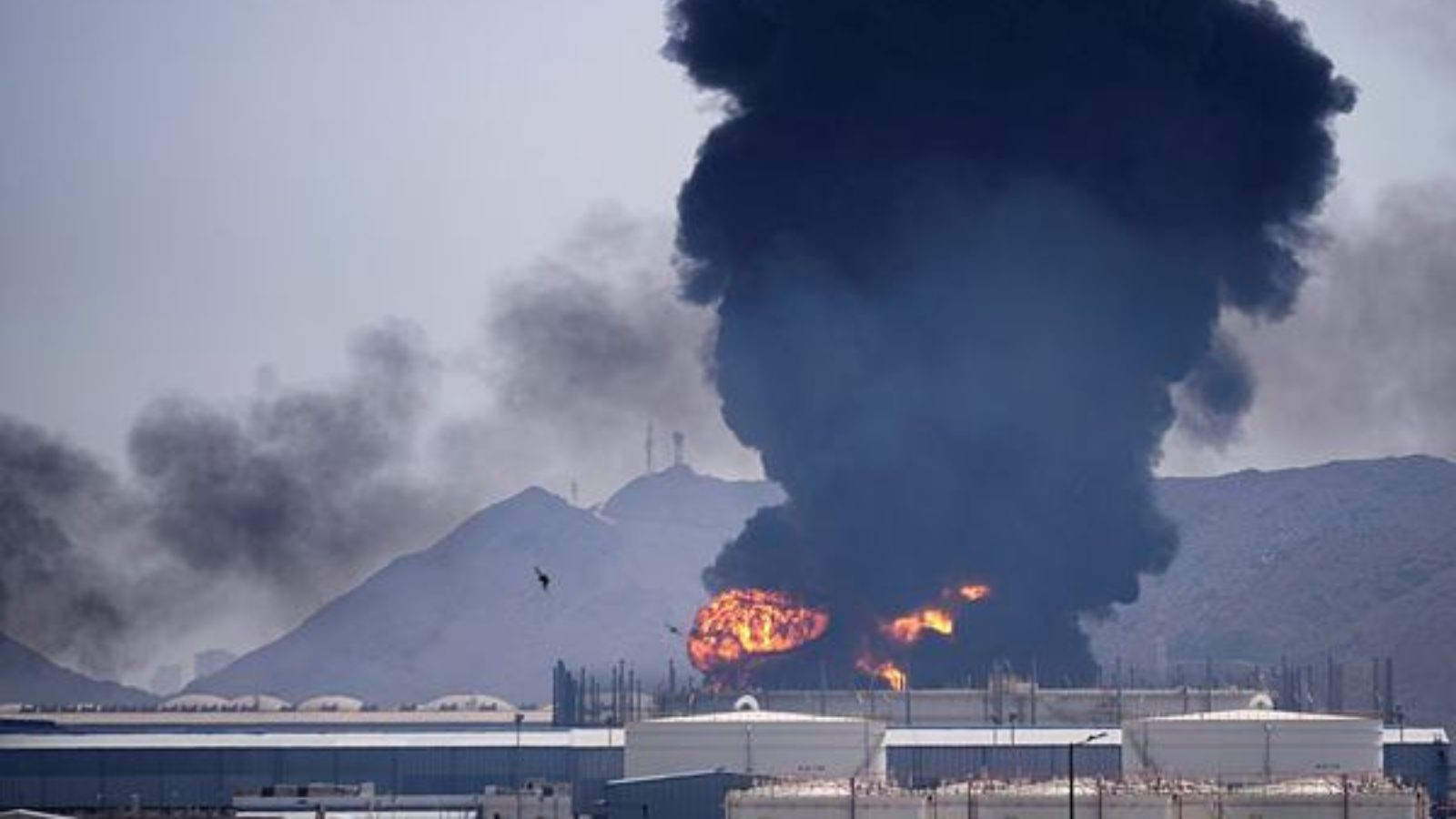
West Asia is no longer just a military battleground; it has become an energy war — and the world is already paying for it at the pump. On Wednesday, March 18, Israel struck the South Pars gas field off Iran’s southern coast, the largest natural gas reservoir on the planet. Within hours, Iran retaliated by firing missiles at Qatar’s Ras Laffan Industrial City, home to the world’s largest LNG export plant.
With gas and oil fields destroyed across the region, energy markets are in shock — and the long-term fallout could reshape global supply chains for years.
The South Pars strike was a turning point. Israeli forces targeted facilities linked to South Pars and the onshore hub at Asaluyeh in Bushehr Province — the first direct attack on Iran’s upstream production since the conflict began.
The field’s scale makes this a big deal: together with Qatar’s North Dome, it forms the world’s largest natural gas field, holding an estimated 1,800 trillion cubic feet of gas and 50 billion barrels of condensate.
Iran’s share alone accounts for roughly 36 per cent of its proven gas reserves.
A US defence official was quoted by Axios as saying that the South Pars strike was coordinated with and approved by the Trump administration. However, US President Donald Trump quickly dismissed the assertion and said the US had no clue about Israel’s plan to attack the gas field.
But South Pars wasn’t the first Iranian energy target. Prior attacks had targeted oil storage depots in Karaj, Shahran, Aghdasieh, and Shahr-e Rey — all areas in or around the capital Tehran. The 2,25,000-barrels-per-day Tehran refinery was also damaged.
Story continues below this ad
ALSO READ | Oil well explosion impact: What the 1991 Gulf War can teach us about today’s Iran crisis
The Israeli military said it had targeted “several fuel storage complexes belonging to the IRGC in Tehran” that it claimed were used to distribute fuel to military entities.
The aftermath was grim: Tehran was shrouded in toxic smoke, which left residents reporting black rain, with Iranian authorities urging people to stay indoors.
The United States also targeted military infrastructure on Iran’s Kharg Island on March 13.
Story continues below this ad
Prominent sites in Iran hit by the US and Israel include South Pars, Iranian Fuel Storage & Processing Sites near Asaluyeh, Kharg Island, and the Tehran refineries.
Iran’s retaliation: Ras Laffan and Saudi Aramco’s SAMREF in flames
Iran’s response came fast. Tehran announced that five facilities across Saudi Arabia, the UAE, and Qatar “will be targeted in the coming hours” — naming Saudi Arabia’s SAMREF refinery and Jubail petrochemical complex, the UAE’s Al Hosn gas field, and Qatar’s Ras Laffan refinery and Mesaieed petrochemical complex.
Then missiles flew: Qatar’s Ministry of Foreign Affairs confirmed that Iranian attacks on Ras Laffan Industrial City “caused fires resulting in significant damage to the facility”. This was the second time Ras Laffan was struck — Qatar had already suspended LNG production on March 2 following earlier Iranian drone attacks on Ras Laffan and Mesaieed Industrial City.
THE ATTACK
Iran strikes the heart of Qatar’s energy complex
On the night of March 18, 2026, Iran fired five ballistic missiles at the Ras Laffan Industrial City in northern Qatar — home to the world’s largest liquefied natural gas export facility. Four missiles were intercepted by Qatari and US air defences. One struck the complex, triggering extensive fires. A second wave of strikes followed in the early hours of March 19, causing further structural damage to the LNG processing trains and the adjacent Pearl GTL plant. QatarEnergy declared a state of emergency and invoked force majeure on contracted deliveries.
5
Ballistic missiles fired by Iran
1
Missile struck the facility
4
Intercepted by air defences
SEQUENCE OF EVENTS
MAR 2, 2026
An earlier Iranian drone strike damaged infrastructure at Ras Laffan. QatarEnergy halted LNG production and declared force majeure on deliveries.
MAR 18, 2026 — NIGHT
Iran fires five ballistic missiles at Ras Laffan. Four intercepted; one impacts the facility. Major fires reported in the LNG processing zone.
MAR 19, 2026 — EARLY HOURS
Second wave of strikes. QatarEnergy confirms “sizeable fires and extensive further damage” to LNG trains and Pearl GTL facility. Qatar expels Iran’s military and security attachés.
MAR 19, 2026 — ONGOING
Situation developing. International condemnations issued. Global gas and oil prices surge. Diplomatic contacts under way.
TRUMP’S STATEMENT
US President issues stark warning to Iran
On Truth Social, Donald Trump stated that Israel — not the US or Qatar — had struck Iran’s South Pars gas field in retaliation. He warned Iran directly against any further attacks on Qatar, threatening to “massively blow up the entirety of South Pars” if Qatar is struck again. He called on Iran to reach a nuclear deal and urged it to “stop the insanity.” Trump also stated the US had no involvement in the attack on Ras Laffan and was focused on protecting Qatar. (Source: Reuters, ABC News, CNN)
LOCATION
Where is Ras Laffan?
Ras Laffan Industrial City sits on the northeast coast of Qatar, approximately 80 km north of the capital Doha, on the shores of the Arabian Gulf. It was purpose-built as an industrial port city to serve Qatar’s vast offshore North Field — the world’s largest single natural gas reservoir, which Qatar shares with Iran (where it is called South Pars).
HISTORY
Built from scratch to power the world
Ras Laffan was established in 1996 by QatarEnergy (then Qatar Petroleum) to industrialise the country’s enormous gas reserves. Within three decades it grew into one of the largest industrial cities on earth — covering 295 sq km — and became the nerve centre of Qatar’s transformation from a small Gulf state into the world’s dominant LNG exporter. It hosts QatarEnergy’s LNG liquefaction plants, the Pearl GTL facility (the world’s largest gas-to-liquids plant), refineries, petrochemical complexes, and a major export port.
KEY NUMBERS
295
sq km — size of the industrial city
~20%
of global LNG supply originates here
77 MT
LNG export capacity per year (pre-attack)
80 km
north of Doha — distance from capital
WHAT IT PROCESSES
More than just LNG
Ras Laffan is not solely an LNG plant. It processes natural gas into LNG for export, operates the Pearl GTL plant which converts gas into diesel, naphtha, jet fuel, and lubricants, produces petrochemicals, and exports condensate. Qatar supplies LNG under long-term contracts to Japan, South Korea, China, India, Pakistan, and multiple European nations. Any disruption to its output creates immediate shortfall across Asia and Europe simultaneously.
THE DANGER
Why damage to Ras Laffan is a global emergency
LNG liquefaction trains are complex, precision infrastructure. Once damaged, they cannot simply be restarted — repairs take months to years. Qatar’s LNG was already halted since March 2 after the drone strike. The second ballistic missile attack deepens the damage to both the LNG trains and the Pearl GTL plant, making a rapid return to full production unlikely.
GLOBAL FALLOUT
E
European energy shock
Dutch and British wholesale gas prices surged approximately 50% following the March 2 halt. European nations which had switched from Russian pipeline gas to Qatari LNG now face acute winter supply risk.
A
Asia’s LNG deficit widens
Asian LNG spot prices rose approximately 39% after the initial halt. Japan, South Korea, and China are the world’s largest LNG importers and have long-term Qatari supply contracts. Spot alternatives are scarce and significantly more expensive.
S
Strait of Hormuz risk
Any escalation that draws the Strait of Hormuz into the conflict would choke off approximately 20% of global oil trade and nearly all Gulf LNG shipments, amplifying the crisis far beyond Qatar’s own exports.
P
Pearl GTL shutdown impact
The Pearl GTL plant produces diesel, jet fuel, and lubricants from gas. Its disruption adds a secondary pressure on refined product markets, compounding the crude oil price surge already under way.
I
India’s exposure
India imports LNG from Qatar under long-term agreements and also receives significant crude oil from Gulf suppliers. Rising Brent prices directly feed into India’s import bill, putting downstream pressure on petrol, diesel, LPG, and CNG prices.
INTERNATIONAL REACTIONS
Global condemnation — and calls for restraint
The attack drew swift international responses. The GCC called it a “blatant violation of international law and state sovereignty.” The EU called for the Strait of Hormuz to remain open for navigation. Saudi Arabia confirmed it had intercepted four ballistic missiles aimed at Riyadh, attributed to the same exchange. Tap each name below to read their statement.
TAP TO EXPAND STATEMENTS
Donald Trump
US President — via Truth Social, Mar 19, 2026
▼
“If Qatar is hit again, we will have no choice but to massively blow up the entirety of South Pars… Iran, make a deal, STOP THE INSANITY!” Trump also clarified that the US and Qatar were not involved in the strike on South Pars, attributing it to Israel. He warned Iran that the US would act decisively to protect Qatar. (Source: Reuters, CNN, ABC News)
Gulf Cooperation Council (GCC)
Regional bloc — Statement, Mar 19, 2026
▼
The GCC condemned the attack as a “blatant violation of international law and state sovereignty.” It called on Iran to immediately cease hostilities, respect the territorial integrity of Gulf states, and engage in dialogue. It also reaffirmed that the security of Ras Laffan was a matter of regional concern. (Source: Al Jazeera, Reuters)
Kaja Kallas — European Union
EU Foreign Policy Chief — Mar 19, 2026
▼
EU foreign policy chief Kaja Kallas spoke directly with Iranian Foreign Minister Abbas Araqchi and called for the Strait of Hormuz to remain open for safe passage of commercial vessels. She urged Iran to de-escalate and warned that further disruptions to energy shipping lanes would have severe consequences for European energy security. (Source: Reuters, BBC)
Saudi Arabia
Kingdom statement — Mar 19, 2026
▼
Saudi Arabia confirmed its air defence forces had intercepted four ballistic missiles fired toward Riyadh during the same exchange. Riyadh condemned Iran’s actions as a “dangerous escalation threatening regional security” and called on the international community to hold Iran accountable. (Source: Reuters, Al Jazeera, CNN)
United Arab Emirates
MoFA statement — Mar 19, 2026
▼
The UAE Ministry of Foreign Affairs condemned Iran’s “dangerous escalation” and its targeting of civilian energy infrastructure. It called the attack a violation of international humanitarian law and warned that destabilising critical energy facilities had consequences far beyond the immediate region. (Source: Reuters, Al Jazeera)
Brent Crude
$111.93
per barrel (USD)
▲ Surging
WTI Crude
$96.40
per barrel (USD)
▲ Surging
India Fuel Prices — Mar 19, 2026
CONTEXT
India’s domestic prices: stable for now, watch Brent
India’s petrol, diesel, LPG, and CNG retail prices are currently unchanged as state-run oil marketing companies have not revised prices. However, with Brent crude trading above $111/barrel — a level not seen in years — sustained high crude prices or further escalation in the Gulf could force a revision in domestic fuel pricing. India imports over 85% of its crude oil needs and is highly sensitive to Gulf supply disruptions.
Crude oil prices: oilprice.com, Goodreturns (Mar 19, 2026) · India fuel prices: Goodreturns (Mar 19, 2026) · CNG prices for Chennai, Bengaluru, Hyderabad, Kolkata are approximate — verify with city gas distribution companies before publication · Editorial sources: Al Jazeera, Reuters, BBC, CNN, ABC News, CBS News
When that first attack hit, benchmark Dutch and British wholesale gas prices soared by almost 50 per cent, while benchmark Asian LNG prices jumped nearly 39 per cent, Al Jazeera reported.
Story continues below this ad
Following the Ras Laffan attack, Reuters reported that Saudi Aramco’s SAMREF facility had also been targeted.
Earlier, Iran had hit an oil facility in Fujairah, United Arab Emirates.
Hours after Ras Laffan was struck by an Iranian missile (after four had been intercepted), Abu Dhabi shut its Habshan gas facilities as they were hit by falling debris from an intercepted strike.
In a later statement, QatarEnergy said several other LNG facilities had also been attacked, “causing sizeable fires and extensive further damage”.
Story continues below this ad
Prominent facilities hit in the UAE are ADNOC’s Ruwais Refinery (Abu Dhabi), Habshan Gas Facility & Bab Oil Field (Abu Dhabi), UAE Gas Fields, Fujairah Oil Storage and Loading Terminals.
A fuel tank goes up in flames after being struck by an Iranian missile (AP)
Diplomatic fallout in US, Qatar and Saudi Arabia
In a sharp diplomatic move, Qatar expelled Iran’s military and security attachés following the Ras Laffan strike.
Donald Trump set a new ultimatum, threatening to “blow up Iran”, to coax NATO allies into the war. Top US counterterrorism official in the Donald Trump government Joe Kent on Tuesday resigned over the war in Iran. In his resignation letter shared on X, he said that he could not support the conflict and argued that Iran did not pose an immediate threat to the United States.
ALSO READ | Iran war puts Donald Trump’s MAGA under strain as loyalists break ranks
Story continues below this ad
Saudi Arabia also came under fire. The Saudi defence ministry said it intercepted four ballistic missiles launched toward Riyadh, with debris falling in various parts of the capital. Saudi Foreign Minister Faisal bin Farhan Al Saud slammed Iran for repeatedly targeting the Kingdom, calling the strikes a “blatant attempt at blackmail”.
Saudi Aramco’s mammoth Ras Tanura refinery and crude export terminal also shut ops due to attacks, reported Al Jazeera.
The market shock: Prices spiral, strait choked
The financial fallout is staggering. Brent crude price rose more than 8% to surge past $112 per barrel after the Ras Laffan attack was confirmed.
The conflict already led to the suspension of about a fifth of global crude and natural gas supply, as Tehran targeted ships in the Strait of Hormuz.
Story continues below this ad
Total oil output cuts in the Middle East are estimated at 7 to 10 million barrels per day — roughly 7 to 10 per cent of global demand.
For American drivers, it’s showing up at the pump. According to CNN, Gasoline prices in the United States hit their highest level in almost two and a half years, with regular gas averaging $3.84 a gallon and topping $5 in California, Hawaii, and Washington.
Long-term fallout: What could go wrong from here
The possibilities are alarming; Israel’s offshore gas fields — Leviathan, Tamar, and Karish — remain exposed to potential Iranian retaliation, as per Iran International. Expanding the conflict to the Eastern Mediterranean would transform a regional confrontation into a multi-basin energy crisis.
The global markets are already volatile. If disruptions keep oil and gas prices elevated for an extended period, the global economy could experience a wave of inflation.
Story continues below this ad
ALSO READ | ‘Finish off Iran’: Trump’s ultimatum to get ‘non-responsive allies’ to join Middle East war
Senior fellow at the Center for a New American Security Rachel Ziemba was quoted by Al Jazeera as saying that the attacks could “put further pressure on regional power supplies”, while smaller nations with weaker economies in the Global South face the most immediate pain as “LNG price increases lead to demand destruction”.
Dounder and CIO of Pickering Energy Partners Dan Pickering told CNBC: “We’re moving from a supply chain problem to potentially a supply problem. There’s a big difference. You fix supply chain problems quickly.”
And President Trump has issued a stark warning: if Qatar’s LNG facilities are attacked again, the US will “massively blow up the entirety of the South Pars Gas Field at an amount of strength and power that Iran has never seen”.