admin
admin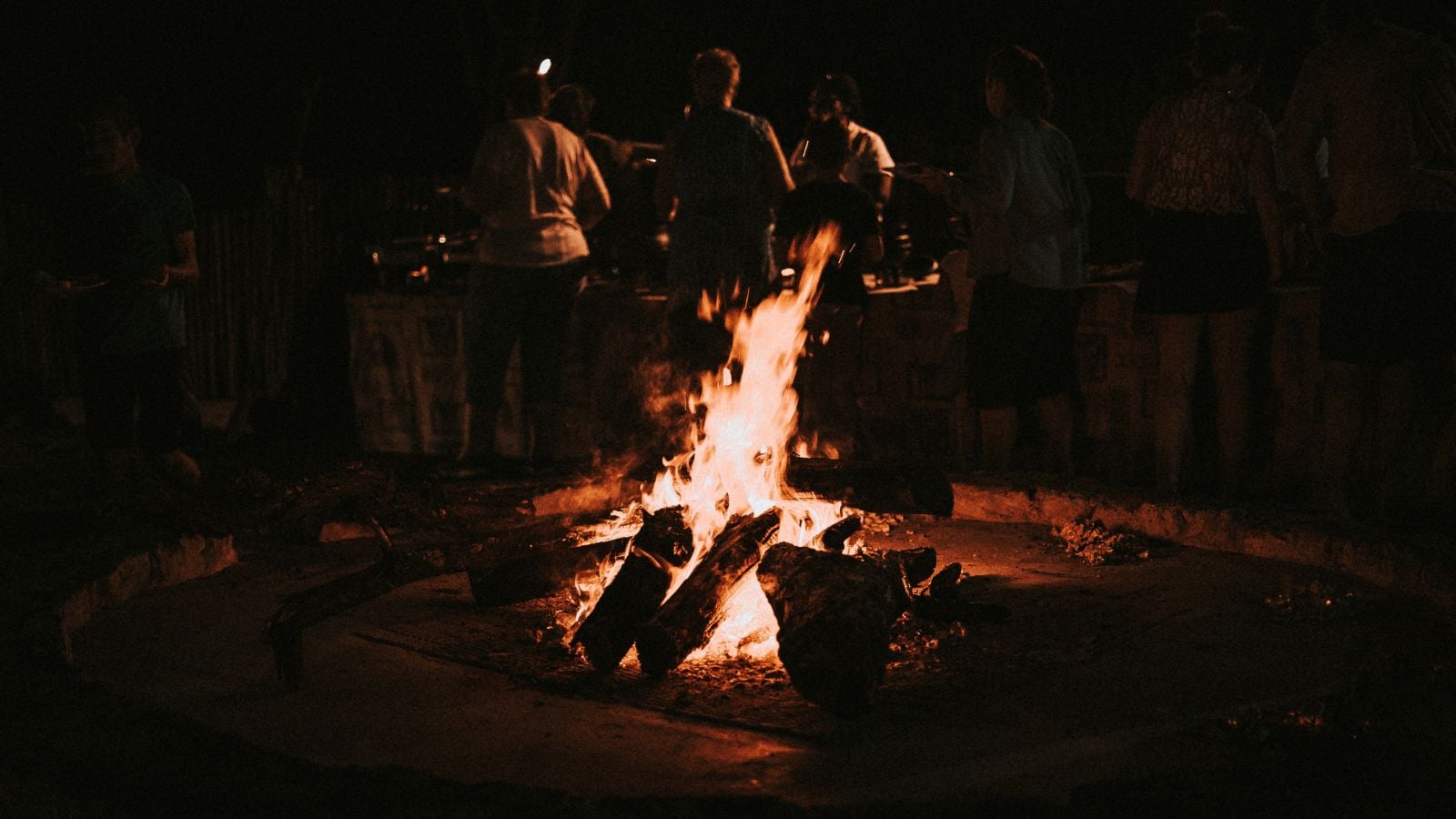
4 min readFeb 5, 2026 09:17 PM IST
Exposure to burn injuries may have played a far more important role in human evolution than previously thought, according to a new study that links humanity’s long relationship with fire to how our bodies heal and respond to injury.
Researchers suggest that living alongside fire for hundreds of thousands of years did more than transform human culture. It may also have shaped our biology, influencing how the skin repairs itself, how the immune system reacts to wounds, and why severe burns can still overwhelm the body today.
Humans are unique among animals in their regular exposure to high temperatures. While most species instinctively avoid fire, humans learnt to control it. Fire provided warmth, allowed food to be cooked, and later became essential to tools, industry, and daily life. Alongside these benefits came repeated risks. Minor burns became a common part of human existence, something experienced again and again across a lifetime.
Scientists say this pattern likely extends deep into prehistory. As humans learned to tend flames and use hot liquids, they were exposed to burn injuries more frequently than any other species, yet many survived. Over time, those repeated injuries may have quietly influenced which traits were passed down.
Fire use and evolutionary pressure
The findings come from a study published in the journal BioEssays, led by researchers at Imperial College London. The team argues that natural selection likely favoured individuals whose bodies were better equipped to recover from small and moderate burns.
Burns are especially dangerous because they damage the skin, the body’s first line of defence against bacteria. When the skin barrier is broken for extended periods, the risk of infection increases dramatically. According to the researchers, this pressure may have encouraged faster inflammation, quicker wound closure, and stronger pain responses in humans, all of which help limit further damage and infection.
However, the study also reveals a negative aspect of this phenomenon. Indeed, these characteristics are very helpful in the recovery process from minor wounds. However, they might be harmful in extreme cases. In contemporary medicine, it is known that severe burns can cause extreme inflammation, scarring, and even organ failure. The authors of the article suggest that these reactions might be the result of ancient adaptations that were not meant to deal with massive injuries.
Story continues below this ad
To prove this hypothesis, the authors analysed the genetic data of the human species and compared it with that of other primates. The authors concluded that there are several genes related to the healing process of wounds, the immune system, and inflammation that have evolved faster in the human species. These genetic differences may account for why human skin has a number of characteristics, including a thicker inner layer and sweat glands that are located deeper within the skin.
Researchers participating in this study believe that this evolutionary viewpoint may provide the key to answering long-standing questions in the field of burn treatment. The way that the human body reacts to burns is perhaps why treatments developed from animal models have not been as effective.
Also Read: Did you laugh when you shouldn’t have? Science explains why
The research was made possible by the joint efforts of evolutionary biologists, geneticists, and clinical burn specialists from various institutions such as Imperial College London, Queen Mary University of London, and Chelsea and Westminster Hospital NHS Foundation Trust.
Story continues below this ad
The researchers also think that the results could help explain why the recovery process of burns is so different from one person to another. In the future, research on genetic differences may help explain why some people recover quickly from burns while others develop complications.
The study opens a new page in the history of human evolution by looking at burns not as a rare event but as a constant factor in human history. It shows that fire not only helped humans survive the world but also changed the human body itself.
© IE Online Media Services Pvt Ltd