admin
admin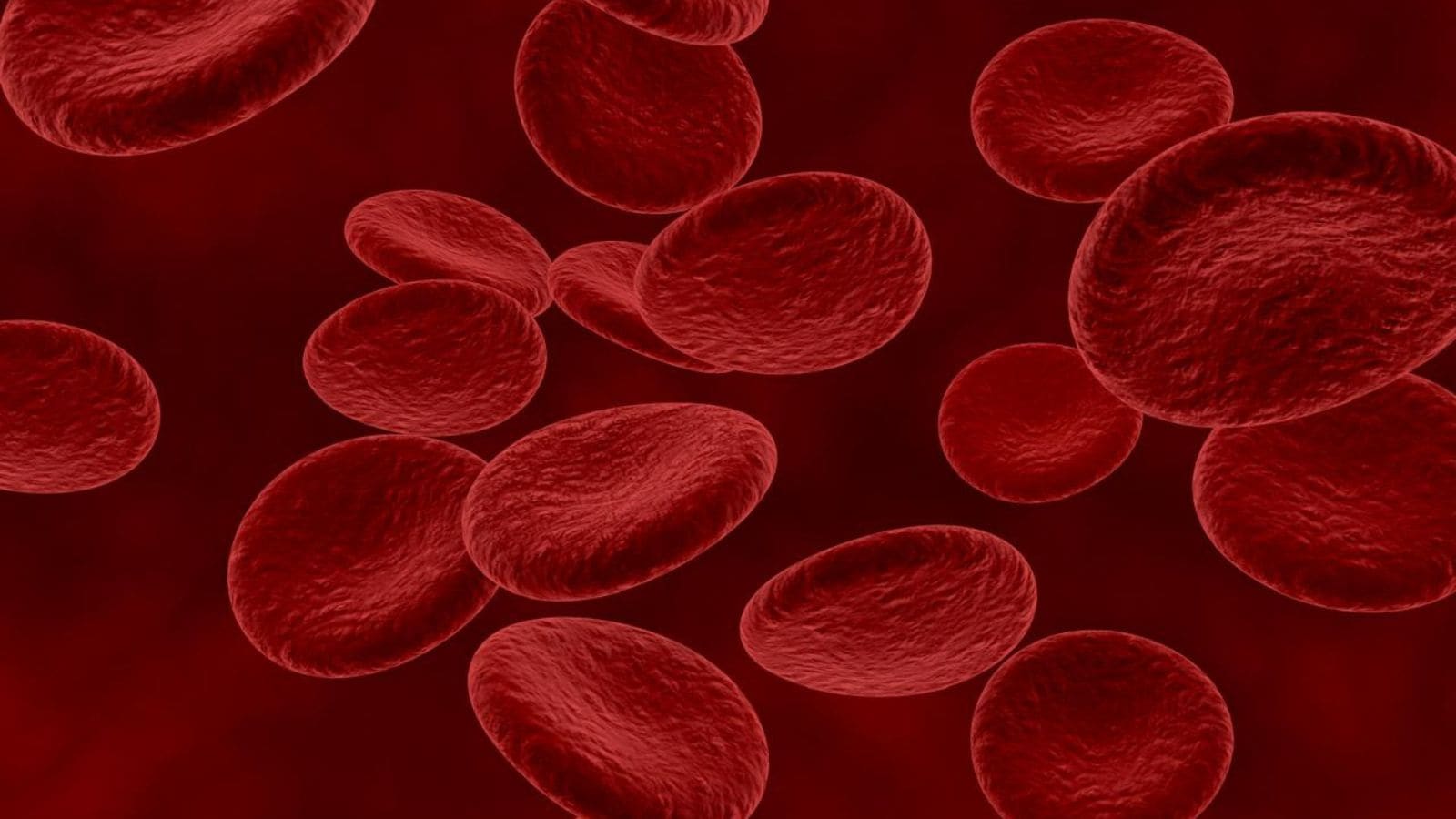
4 min readUpdated: Apr 6, 2026 06:54 PM IST
For years, scientists have observed a curious pattern: people living at high altitudes, from the Andes to the Himalayas, tend to have lower rates of diabetes. While the link has been clear, the reason behind it has remained uncertain. New research offers a possible explanation, and it centres on how the body behaves in low-oxygen conditions.
Deeper insights into oxygen levels and blood sugar
The human body undergoes various adjustments to cope with hypoxia, which is when the environment lacks oxygen, such as at high altitudes. According to a recent experiment on mice, one of these mechanisms might directly impact blood sugar.
Scientists discovered that red blood cells take up extra glucose from the bloodstream in a low-oxygen atmosphere, rather than utilising it as fuel. These cells instead transform the glucose into a substance that aids in distributing oxygen throughout body tissues.
“The study demonstrates how vital the role of red blood cells is in diabetes management,” Isha Jain, who conducted the study and is a biochemist at the Gladstone Institutes and the University of California, San Francisco, told the Live Science website. “That’s the concept to be targeted in the future.”
Experiments that revealed the link
To understand what was happening, scientists exposed mice to air containing just 8 per cent oxygen, similar to high-altitude conditions, while another group remained in normal air with 21 per cent oxygen.
After several weeks, both groups received glucose injections. The findings were dramatic. Animals from the low-oxygen environment exhibited considerably lower glucose peaks, indicating that their bodies processed the sugar much faster. This trend persisted even when the mice returned to regular oxygen conditions, implying metabolic changes.
Story continues below this ad
Upon examining the data in detail, the scientists observed an anomaly. The decrease in glucose was not fully accounted for by its absorption in organs such as the liver or muscles. As a result, the researchers suspected that blood cells played a role in the phenomenon.
Red blood cells in the spotlight
Subsequent experiments supported this hypothesis. Researchers found that lowering red blood cell counts in oxygen-starved mice eliminated the glucose-lowering effect. Conversely, enhancing the red blood cell concentration in regular mice resulted in reduced blood sugar.
Tracking glucose inside the body revealed that red blood cells in low-oxygen conditions absorbed far more sugar than usual, about three times more. These cells also contained higher levels of a protein called GLUT1, which helps glucose enter the cell.
The absorbed glucose was then converted into a compound that binds to haemoglobin, the protein responsible for carrying oxygen. This development assists in facilitating the release of oxygen from haemoglobin, which is critical during oxygen deficiency.
Story continues below this ad
Also Read: ‘Why am I here?’ Science explains why walking through doorways makes you forget things
Experts rationalise the process by stating that increased erythrocyte production leads to increased glucose utilisation, which reduces blood glucose levels.
Approach to diabetes treatment
The results can pave the way for novel approaches in diabetes treatment. Researchers conducted studies on HypoxyStat, an experimental drug that replicates the condition of oxygen deficiency through the interaction of haemoglobin with oxygen.
However, researchers caution that much more work is needed before such treatments can be tested in humans.
Story continues below this ad
Still, the study points to a new way of thinking about diabetes, not just as a problem of insulin, but as something that could also be influenced by how red blood cells manage oxygen and glucose.