admin
admin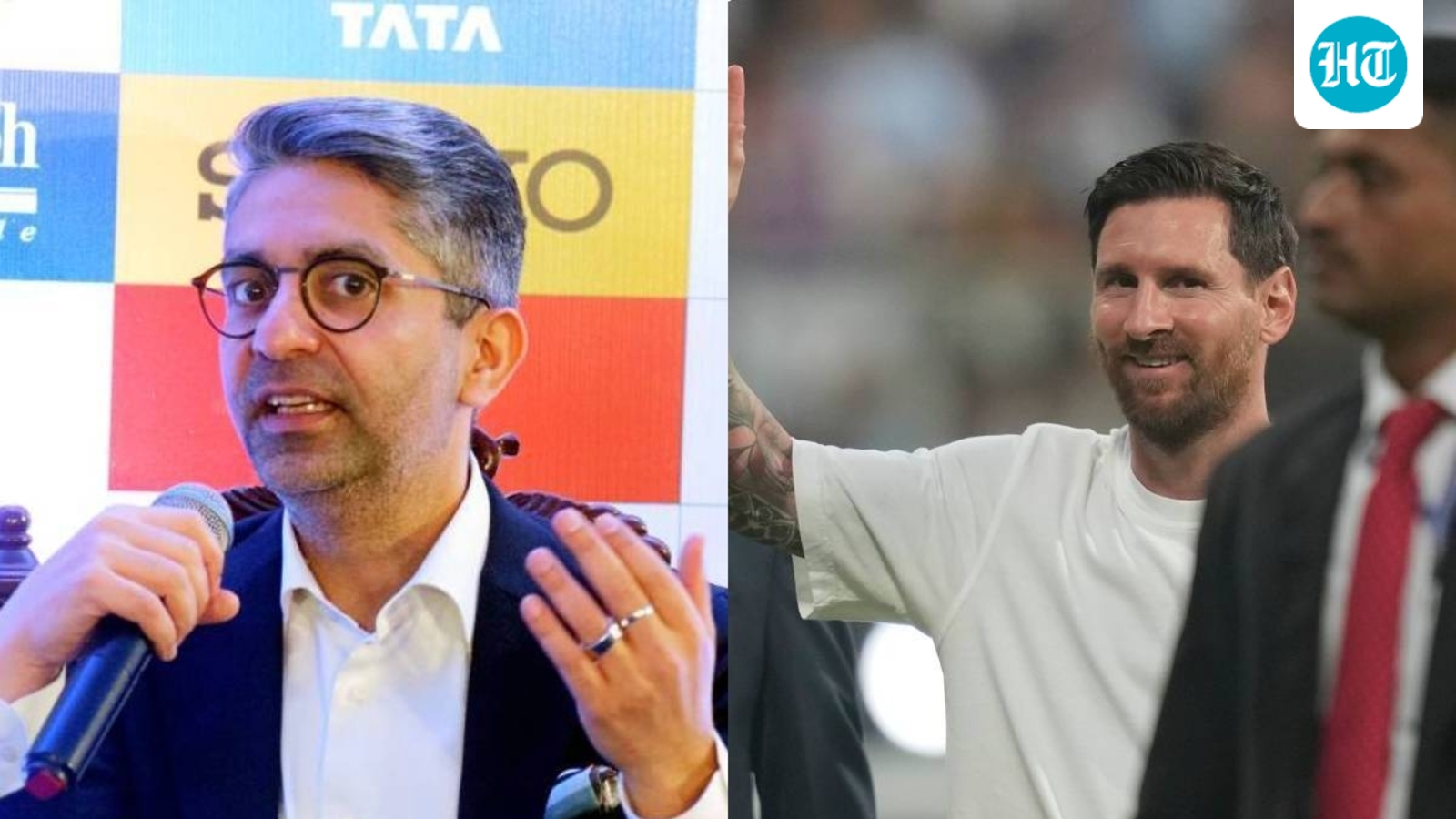
Messi’s visit, which began last Saturday with a forgettable Kolkata leg before smoother outings in Hyderabad and Mumbai, has drawn massive crowds, VIP-only meet-and-greet events and unprecedented media attention. As the tour showcased India’s enthusiasm for global sporting icons, with politicians and Bollywood celebrities often taking centre stage, Bindra, an Olympic gold medallist, used the moment to flag a deeper and more uncomfortable question about the nation’s sporting priorities.
In a lengthy post on X, Bindra expressed “respect and admiration” for Messi and clarified that his remarks were not a critique of the Argentine. He described Messi as a rare athlete whose journey transcends sport and acknowledged that he understands the economics of modern sports, global branding, and the allure of elite icons.
However, the scale of the ‘Messi mania’ prompted Bindra to urge India to look inward. He voiced concern over the resources spent on the four-city tour at a time when grassroots infrastructure, from playgrounds and coaching to talent development pathways, continues to struggle for attention and funding.
“Lionel Messi is one of those rare athletes whose story transcends sport. His journey from a child fighting physical odds to a footballer who redefined excellence has moved millions across the world. As someone who has lived the life of an athlete, I hold profound respect and admiration for what he represents perseverance humility and an uncompromising pursuit of greatness. Yet as his recent visit to India unfolded parts of it felt chaotic and left me quietly uneasy. It compelled me to pause and reflect not in judgment but in genuine concern about what we were really trying to achieve.
I fully understand the economics of sport. I understand commercial realities global branding and the magnetism of icons. I do not fault Messi in any way. He has earned every opportunity that comes his way and admiration for greatness is natural even beautiful. But admiration must also invite introspection. As a society are we building a culture of sport or are we simply celebrating individuals from afar. Millions were spent for moments of proximity photographs and fleeting access to a legend. And yes it is people’s money earned honestly and theirs to spend as they choose. Still I can’t help but feel a quiet sadness wondering what might have been possible if even a fraction of that energy and investment had been directed toward the foundations of sport in our country. Playgrounds where children can run freely. Coaches who can guide young talent. Grassroots programmes that give opportunity to those who may never otherwise be seen. Spaces where sport is not a spectacle but a daily habit a teacher and a source of dignity,” the post read.
Bindra pointed out that India needs to focus on stronger foundations, which include accessible playgrounds, qualified coaches, and structured grassroots programmes. He said that India can only evolve as a great sporting nation, not by such spectacles, but by systems that nurture talent over time.
“Great sporting nations are not built by moments, they are built by systems. By patience. By belief in the ordinary child with an extraordinary dream,” he added.
Bindra felt that although Messi inspired a whole generation, just inspiration is not enough. He said that the only way one can truly honour their sporting inspirations is not by grand gestures, but by ensuring that the next generation has a chance to live that dream.
“Icons like Messi inspire us and that inspiration matters deeply. But inspiration must be met with intent. With long term commitment. With choices that reflect not just what excites us today but what will strengthen us tomorrow. If we truly wish to honour legends like Messi the most meaningful way to do so is not through grand gestures but by ensuring that somewhere in India a young child has a field to play on a coach to believe in them and a chance to dream. That is how sporting cultures are born. And that is how legacies endure,” he concluded.