admin
admin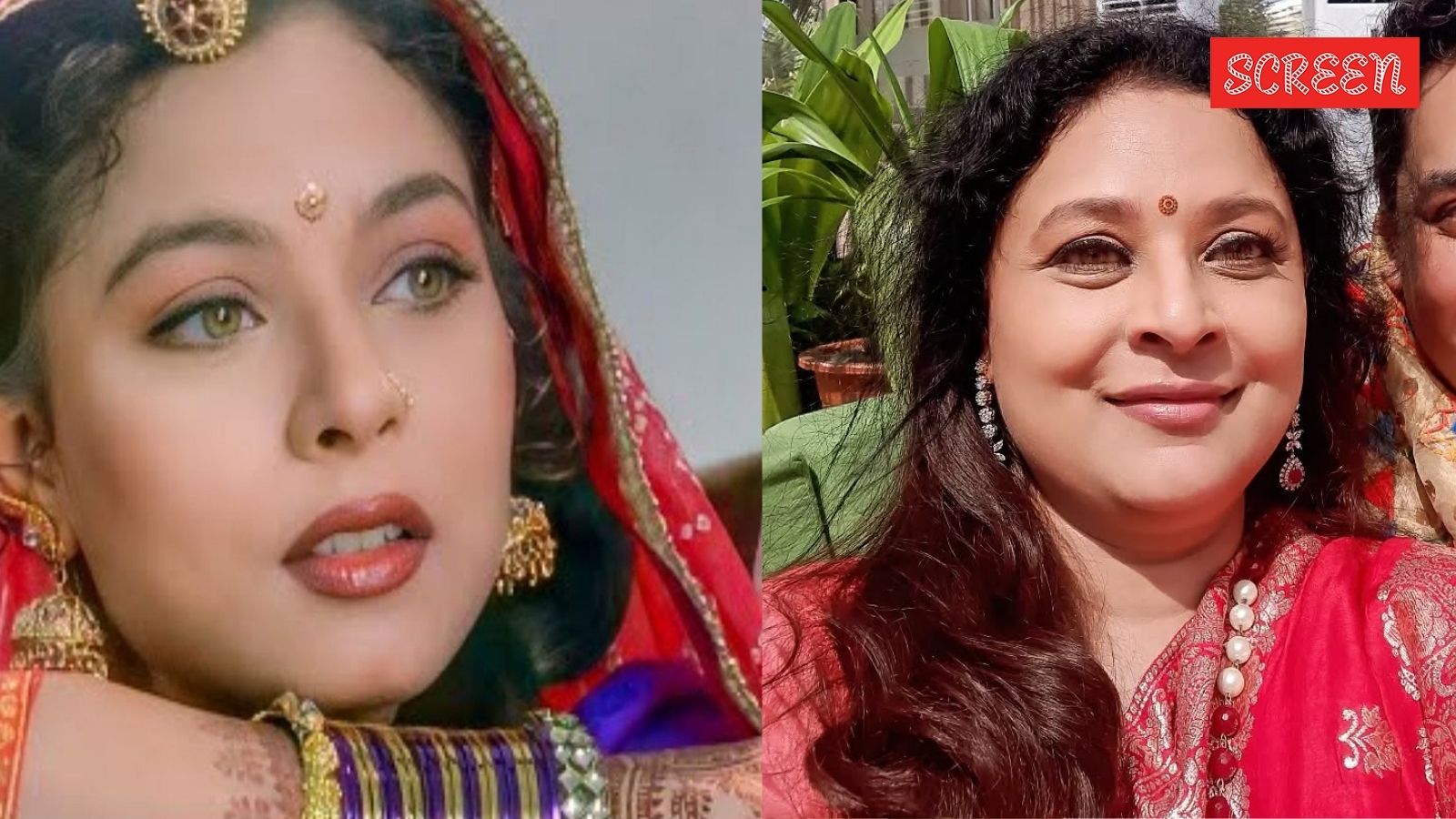
Nearly three decades ago, when Border stormed theatres, it wasn’t just the thunderous war sequences or Sunny Deol’s iconic roar that stayed with audiences long after the final frame. Amid the explosions and battlefield bravado, there was also a quiet, tender presence that left an indelible mark—Sharbani Mukherjee. She played Phoolwati, the wife of Sunil Shetty’s character, embodying the silent strength of women left behind by war. Her screen time was limited, but her impact was profound.
With “Ae Jaate Hue Lamho,” Sharbani Mukherjee became a national crush almost overnight. Though she appeared in just a handful of scenes, her expressive eyes, restrained performance and quiet dignity struck a chord across generations. In a film dominated by male heroism, she represented longing, love and loss—without ever raising her voice.
At a time when glamour often overshadowed subtlety, Sharbani’s presence felt refreshingly real.
Born into a film family, but with a different journey
Sharbani Mukherjee belongs to the same illustrious family as Kajol and Rani Mukerji—their fathers are brothers. By the time Sharbani made her debut in Border (1997), Kajol was already a star, while Rani Mukerji was just beginning her journey around the same time.
For a moment, it seemed inevitable that Sharbani too would rise swiftly through the ranks. But fate had other plans. While Rani Mukerji went on to become one of Bollywood’s most celebrated actresses, Sharbani’s path unfolded more quietly—and unpredictably.
The near misses in Hindi cinema
Riding on the success of Border, Sharbani Mukherjee featured in an independent music video—“Ghar Aaja Soniya,” opposite Sameer Soni. The song gained popularity, yet the momentum didn’t translate into sustained success in Hindi films.
ALSO READ | Amitabh Bachchan as Hamza, Vinod Khanna as Rehman Dakait: AI re-imagines Dhurandhar characters, see pics
Story continues below this ad
Following Border, she appeared in films such as Mitti, Ansh, and Kaise Kahoon Ke… Pyaar Hai and Anjaane. Unfortunately, none of these projects helped establish her as a leading star.
She even ventured into Bhojpuri cinema with Dharti Kahe Pukar Ke, starring Ajay Devgn and Manoj Tiwari. While the film was commercially successful, Sharbani never returned to the Bhojpuri industry—a decision that once again puzzled many.
Finding her moment in Malayalam cinema
She made her Malayalam debut with Raakilipattu, though it was a supporting role alongside Jyothika and Tabu. But it was her second Malayalam film, Sufi Paranja Katha (2010), that truly changed the narrative. It was nearly 12 years after Border that Sharbani finally found a role that earned her widespread critical acclaim.
Her portrayal of Kaarthi, an upper-caste Hindu woman who elopes with a Muslim man, was widely praised for its sensitivity and depth. Based on KP Ramanunni’s novel of the same name, the film earned her recognition she had long deserved.
Story continues below this ad
That same year, she appeared in another critically acclaimed Malayalam film, Aathmakatha, which went on to receive multiple awards, including a Special Jury Award at the Kerala State Film Awards and the Ramu Kariat Award for direction.
A quiet exit from the spotlight
Ironically, Aathmakatha marked Sharbani Mukherjee’s final film. At a time when her performances were finally being noticed, she chose to step away—quietly, without announcements or controversy.
Years earlier, while promoting Mohandas in 2008, she had hinted at this mindset in an interview with Hindustan Times: “I didn’t want to do every film that came my way. I wanted to complete my studies. I don’t want to limit myself to just one aspect of cinema; I want to explore other aspects too. I may possibly direct a film in future.”
However, that announcement never came.
Beyond films, Sharbani Mukherjee was also involved in the innovative stage production Fantasia Fantastique, where she lent her voice alongside Jackie Shroff. But one day, she left it all behind.
Story continues below this ad
Today, she is largely seen only during Durga Puja pandal visits, a fleeting presence that reminds fans of a bygone era.