admin
admin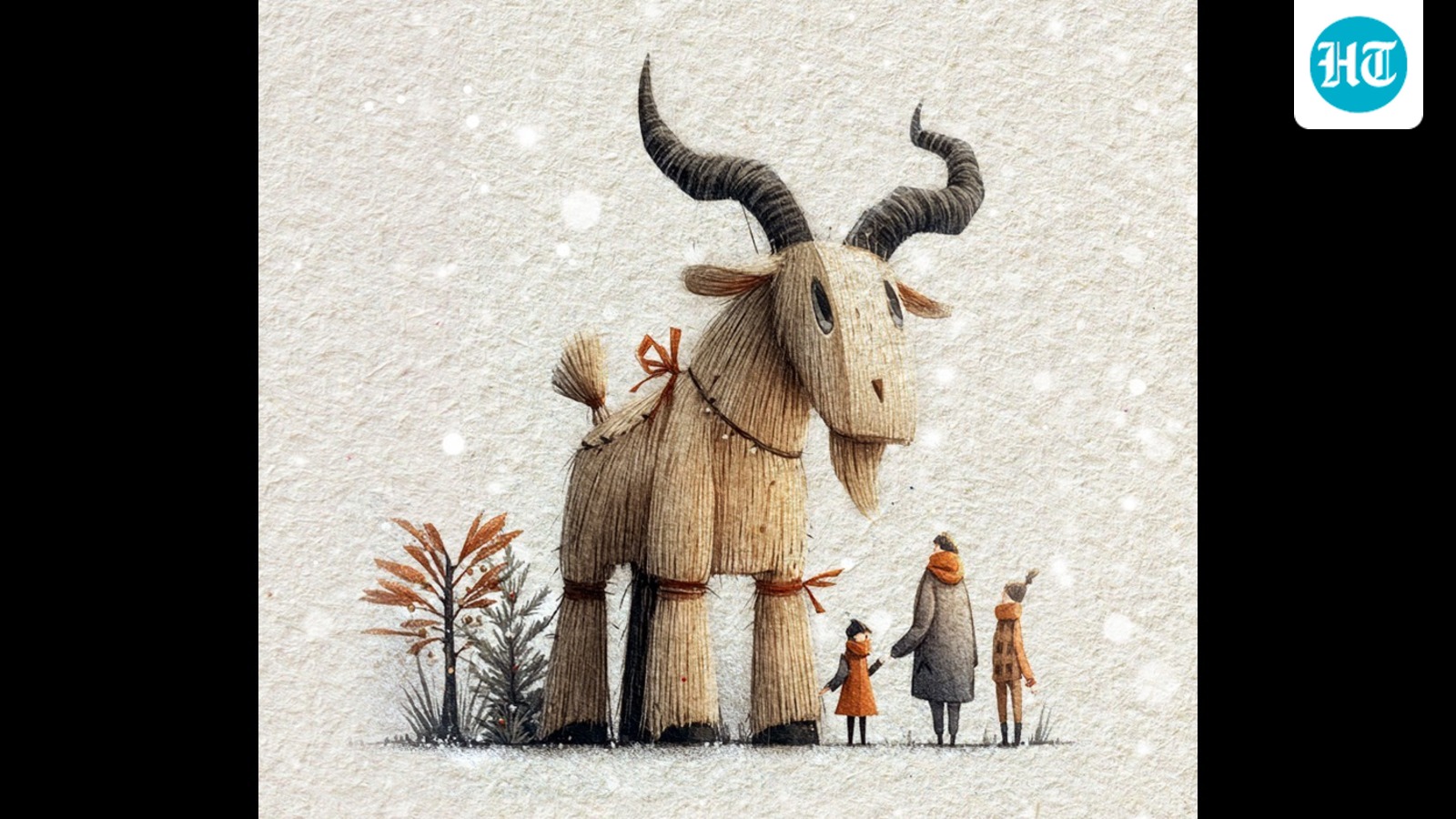
A star-lit tree, the crinkle of wrapping paper and a heap of gifts? Or the quiet flickering of lights and gentle hum of carols in the air?
However one celebrates, chances are there are ancient rites, pagan goddesses and harvest celebrations tucked invisibly into the tinsel and feasting. This year, we’re celebrating the most evocative of these stories.
In Ukraine, for instance, trees are decorated with spiderwebs of silver and gold, in tribute to a tale about forbearance. In Iceland, an ogress turns errant children into a stew. In Peru, it is tradition to fistfight.
But even among the more ordinary celebrations, glimpses of ancient history remain.
The word “yule” for instance, doesn’t really have an English meaning because it isn’t an English word. It comes from the Germanic “jol”, which was a Norse festival celebrated at the winter solstice. On this day, there was feasting and celebration.
Branches of evergreen trees such as the fir were used as decoration, to symbolise life and renewal. A “jol” log was burnt to banish the darkness; the solstice marked the year’s shortest day, so things could only get brighter and warmer from here on.
The feast was a thank-you to the gods, particularly Odin, for another winter survived, and another cold season waning.
Across Europe, in fact, the winter solstice was such a significant date that the mid-winter period was chosen by the Roman emperor Constantine and the Christian church as the date on which the Christians would hold their biggest celebration, Christmas, supplanting the pagan rites.
In many cases, as has so often happened in history, they didn’t supplant them; they simply wove them in. And so we still have yule logs, sold as cakes, and don’t even wonder why.
Around the world, such symbols persist: goats and sheaves of grain; mistletoe (the berries a pagan symbol of male fertility, especially among the Celts and Ancient Greeks); holly (life and renewal in pagan traditions); even gift-giving (a remnant from the Ancient Roman feast of Saturnalia, a time of feasting, partying, gambling and the exchange of tokens).
The rituals are still evolving.
Read on to see why Christmas involves a celebratory trip to KFC in Japan, roller-skating in Venezuela, a “pooping log” in Catalonia (we promise that one will make you go “Aww”); and in India, folk songs in Punjab, Jishu Pujo in West Bengal (and so much more).
Pick a point on the map and begin your journey; we recommend starting in Canada, where Santa writes back! Have a merry Christmas.’
.
THE OGRESS WITH 13 CHILDREN
In Icelandic tradition, it isn’t Santa and his elves but a whole other set of mountain-dwellers that keep naughty children in check. An ogress named Gryla, who lives in a cave with a lazy troll husband and 13 children, emerges at this time of year, when the sun is barely visible in the sky, to snatch up errant children and turn them into delicious stews.
The family’s giant Yule Cat also prowls, swallowing up anyone who hasn’t bought at least one new item of clothing, making a pair of socks or at least new undergarments mandatory.
Gryla finds mention in ancient oral poems in the region, as a symbol of the unrelenting harshness of winter.
A newer tradition is linked to stories too: Since the muted celebrations of the World War 2 years, Christmas has been celebrated in Iceland with Jolabokafloo or the Yule Book Flood, with a host of new releases scheduled in December, so that families can spend the season reading together, over large mugs of hot chocolate.
.
THE POOPING LOG AS AN ECO TALE
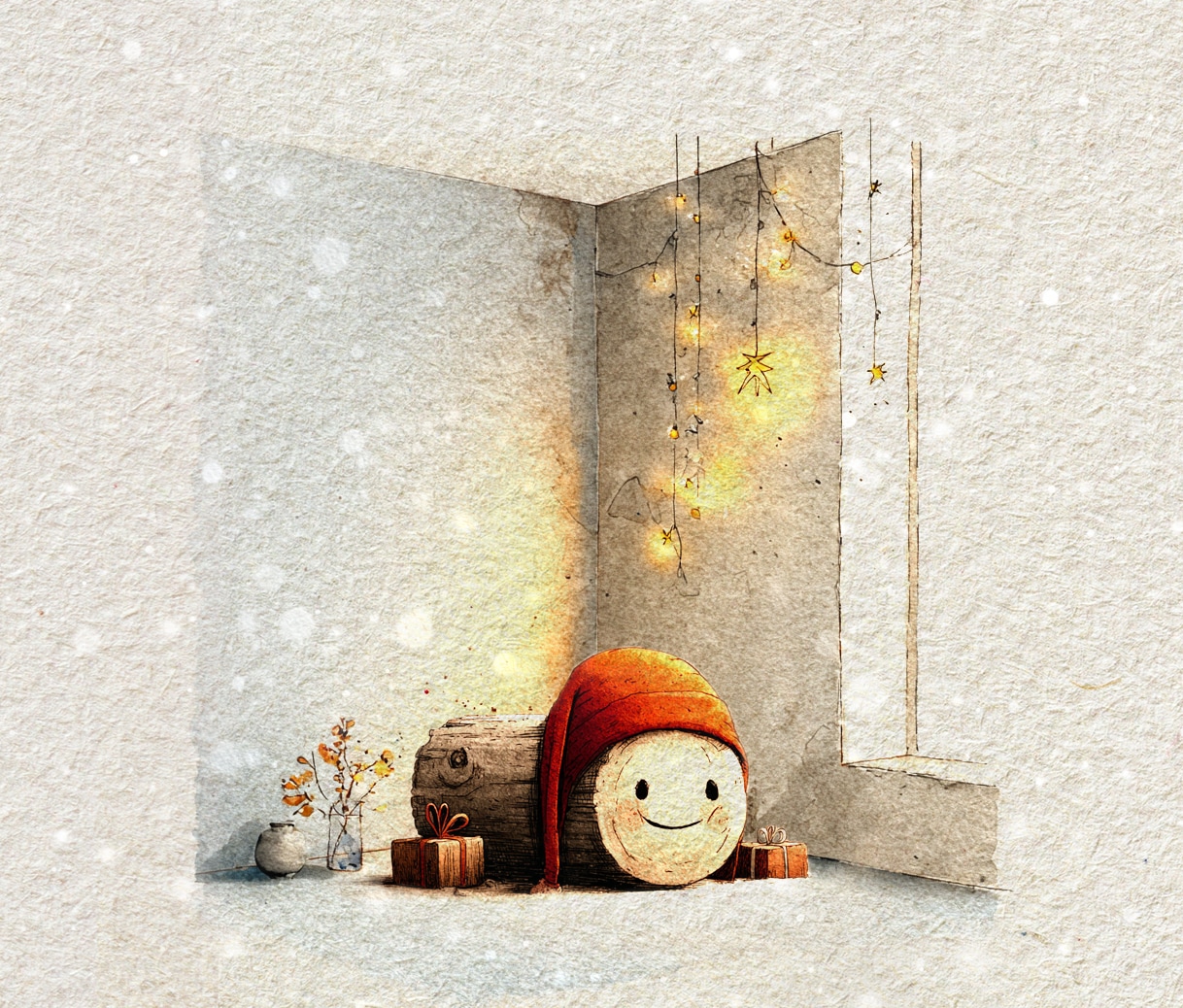
In Catalonia, Spain, gifts aren’t delivered by Santa Claus but by a “pooping log” that is fed and cared for by the children of the house, for a month before the big day.
Tió de Nadal or The Christmas Log (in Catalan) has a painted face and red cap, and must be tended to by the children of the family, until it reciprocates with gifts. Aside from the scatological humour that delights children, poop is also a symbol of fertility, and the cycle of life, energy and good fortune.
If Catalans care for the forests, a few logs can then be burnt to keep warm. This lesson begins early, as families bring a small stump into the house and teach the children to “feed it” and cover it with little blankets. Parents may spirit the food away, and periodically replace the log with a larger one through the month, to show how nurturing helps things grow.
Eventually, the log responds by “pooping” small treats out beneath its blanket: nougat, candy, small toys. Scat is so integral to Catalan lore that there is even a defecating villager hidden in traditional Nativity scenes.
.
LETTERS FROM SANTA
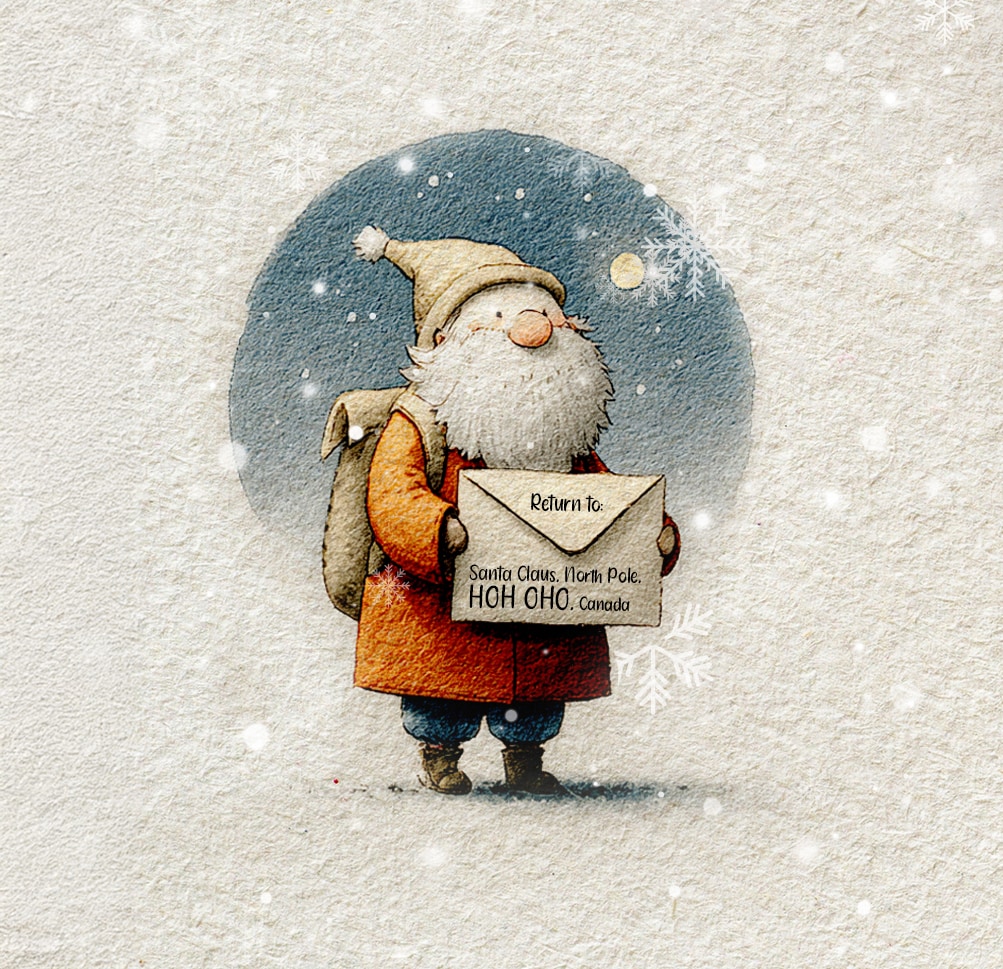
In Canada, one can write to Santa, and expect to hear back.
In a heart-warming tradition that stretches back more than 50 years, “postal elves” have been combing through over a million letters a year from around the world, for Canada Post’s Santa Letter Program, one of the oldest and most extensive such initiatives in the world. No stamps are required within the country; just the right postal code: “Santa Claus, North Pole, H0H 0H0, Canada”.
The programme began informally, in the 1970s, when postal workers in Montreal began to respond to children’s letters. By 1982, Write to Santa was a national initiative, and the non-geographical postal code had been assigned. Both current and retired employees now work on the programme, responding (via largely templatised messages) in multiple languages, including Braille.
.
A DAY FOR FISTFIGHTS
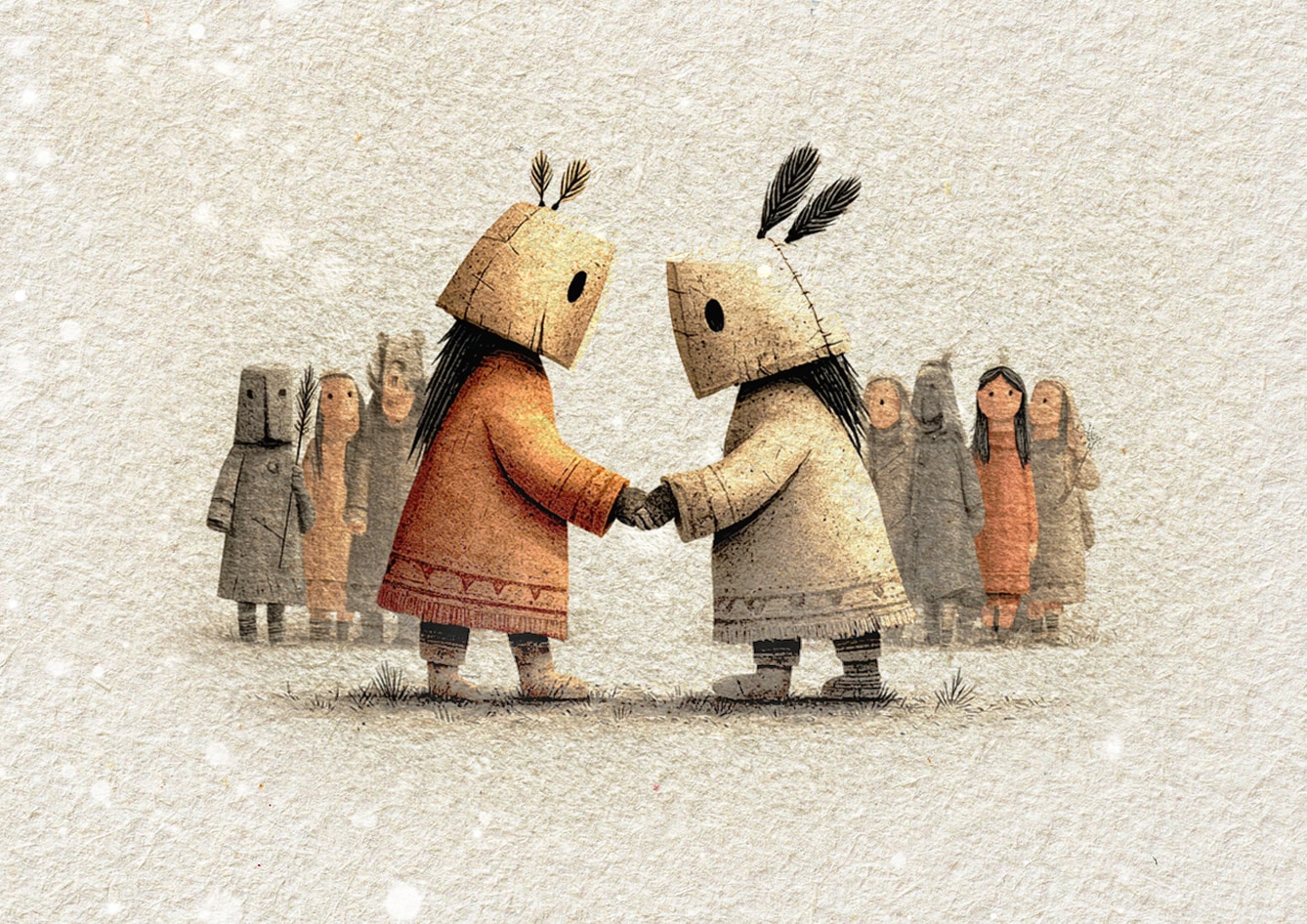
In Santo Tomas, Peru, the most wonderful time of the year is also the most dramatic.
Christmas Day gets off to a fairly regular start, with mass at church and greetings exchanged with family, friends and neighbours. Then, communities gather for Takanakuy (Quechua for “to strike”). Among some indigenous communities, this is the day to settle disputes so that grudges can be forgotten and forgiven.
Participants may arrive in masks, and are free to throw punches at will, as long as they end things with a hug or a handshake. By the end of the day, bygones must be bygones. Everyone must agree to step into the new year with a clean slate.
.
A GIANT, HORNED CREATURE THAT STEALS CHILDREN
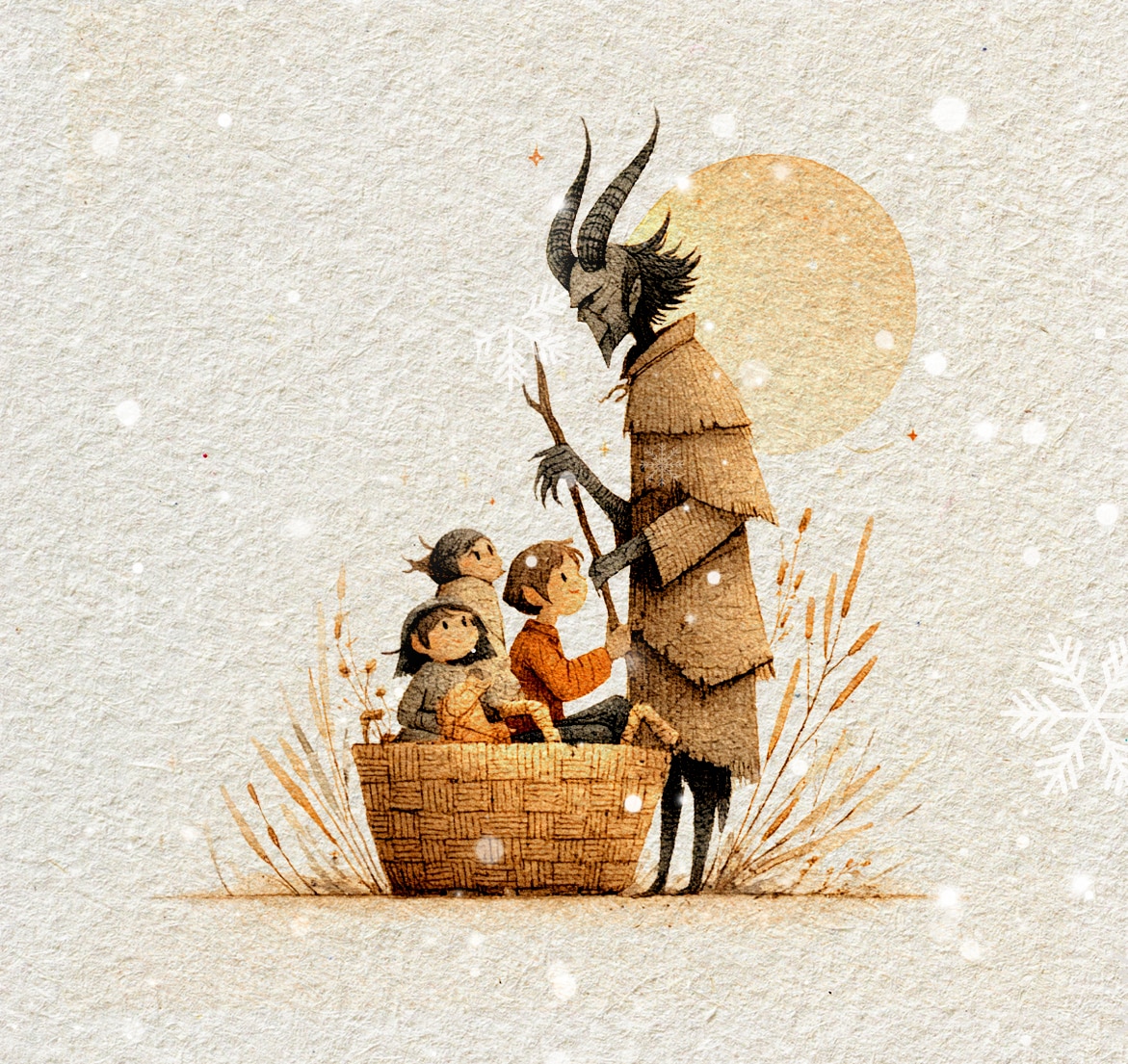
On the night of December 5, a towering, hairy, goat-horned, two-legged creature is believed to wander the alpine villages of Austria. Some say he has one gnarly human foot and one goat hoof; if he opens his mouth, a snake-like tongue rolls out. And if little children have been naughty, he will beat them with a stick, or simply steal them away.
This is Krampus, demonic assistant to St Nicholas, the patron saint of children (who, incidentally, is honoured on December 6 across the Christian world).
Depending on who you ask, Krampus has his roots in pagan myth or medieval lore. Today, he is an integral part of celebrations in Austria. People look forward to the Krampuslauf or Krampus Run, where participants run in street parades, dressed in furry animal costumes, masks and loud bells.
There are even scary-funny Krampus-themed greeting cards, featuring the bulging red-eyed demon and the message Gruss vom Krampus (Greetings from Krampus).
.
GIANT GOATS IN HONOUR OF THOR
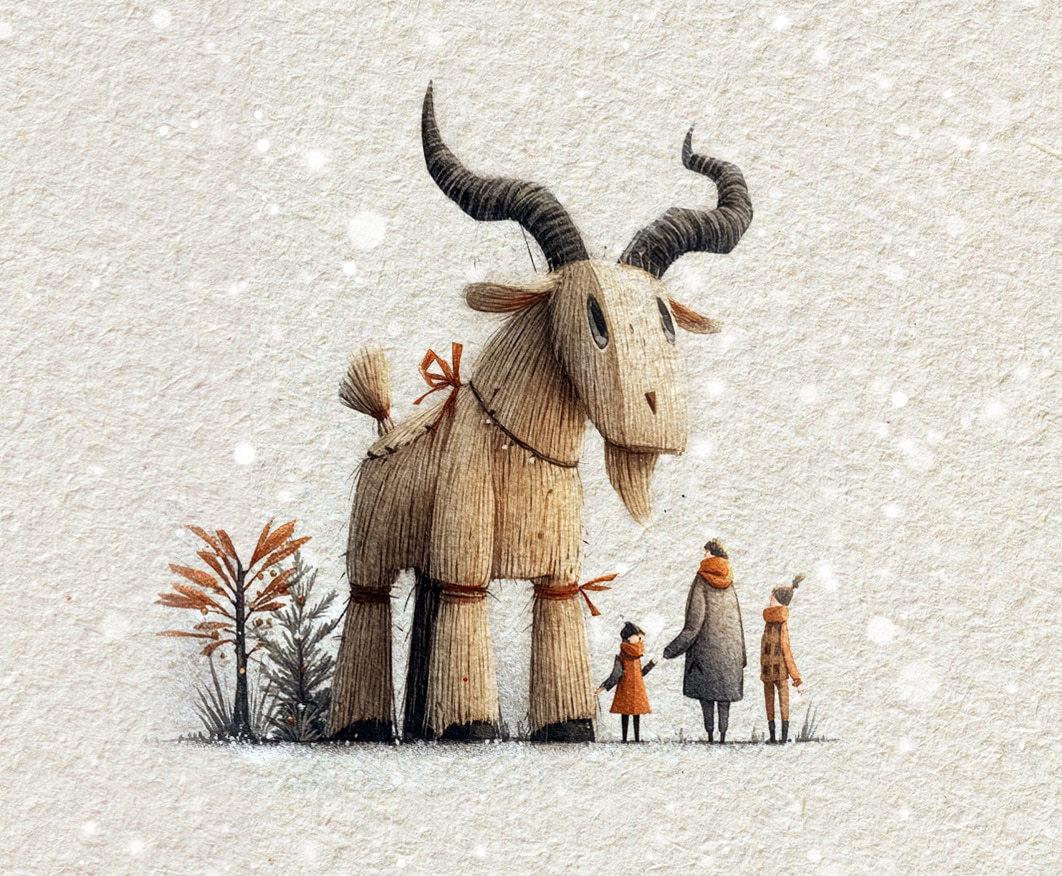
A very different kind of goat is integral to celebrations in Sweden.
Here, giant replicas are made with straw and ribbon and placed in town squares. Christmas trees are decorated with colourful little straw goats too, all in honour of the Norse god Thor, whose chariot was drawn by two goats (the animals are pagan symbols of strength and fertility).
Goats are even said, in local legend, to pull Santa’s sleigh.
So integral is the julebukking or Yule goat that people wear goat masks or horns when going door-to-door, to greet and exchange treats with neighbours.
.
THE ANTI-CAROLLERS
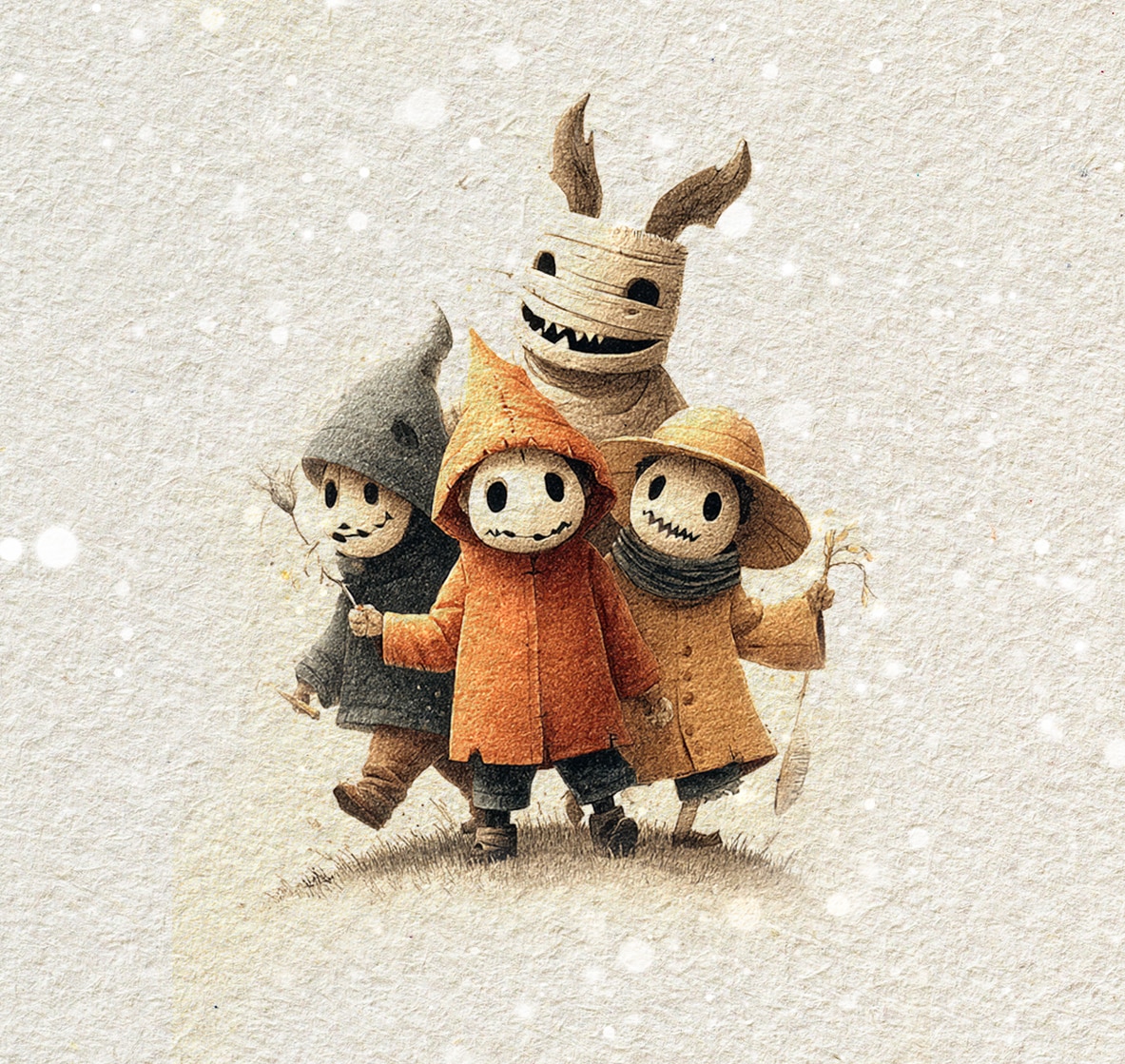
In Latvia, revellers go from house to house wearing absurd or grotesque masks, in a bid to scare away evil spirits. They are paid with warm thanks, delicious treats and mulled wine.
The scarier the headgear, the better: think mummy-like wraps of ragged cloth, heads of horses, bears or demons.
The revellers turn up at the door in groups, to sing loudly, clang dishes and dance wildly. Some processions even drag a log along. It is said to absorb the negativity from each home, and is burned at the end of the day.
The most-anticipated part of the proceedings is trying to guess which neighbour is hidden beneath the garb. Is that you, Uncle Vadims?
.
THE LANTERN SHOWDOWN
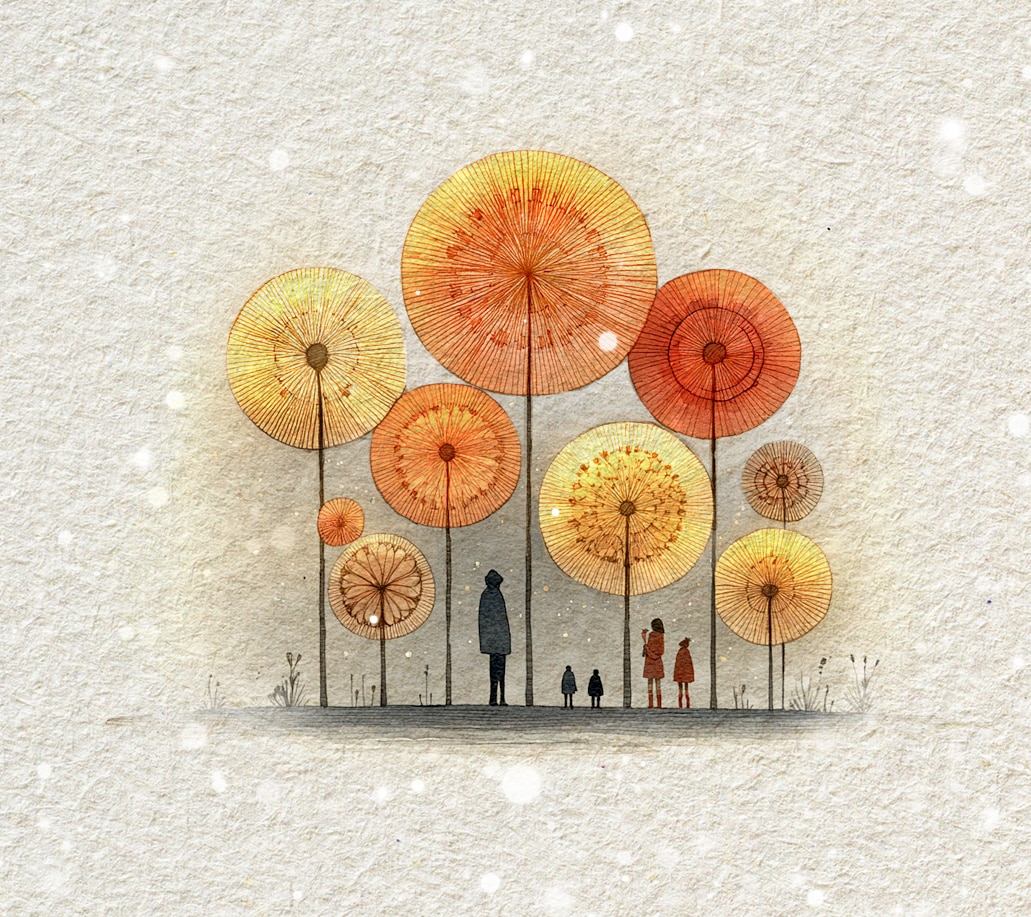
In the Philippines, particularly in the city of San Fernando, lamps take over the landscape through the season, appearing in a range of shapes and hues. Some look like magnificent spinning mandalas, others like glowing honeycombs with twirling lights. Many are over 20 ft tall.
The city’s Ligligan Parul or Lantern Showdown is a two week-affair that begins on Christmas Eve. The celebration dates to a time before electricity, when barrios or neighbourhoods across the city would craft the most intricate 2-ft-long lubenas or bamboo-and-rice-paper lanterns.
Things have escalated a bit since then. The tradition has, in fact, given rise to a thriving cottage industry of master lantern-makers, with families passing down the craft of designing, wiring and choreographing these luminous giants.
.
SPIDERWEBS OF SILVER AND GOLD
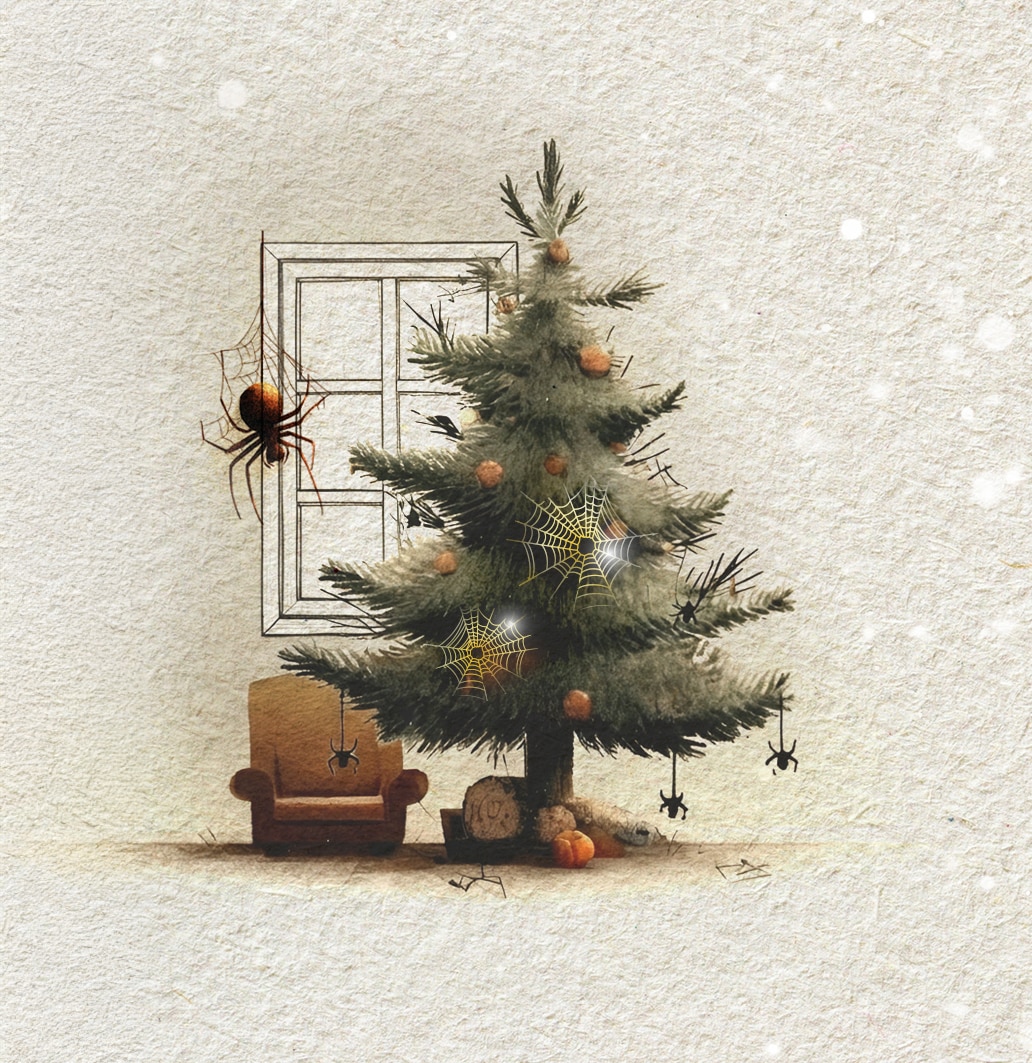
In Ukraine, they say a local folk tale gave the world all its tinsel.
One year, the story goes, a hardworking widow and her children decided to make the most of what they had, and brought a tree in for the celebrations. But they realised with sadness that it wasn’t really Christmassy without any decoration.
As the heartbroken family slept, a kind spider spun its large, gleaming web around the fir, hoping to add to the festivities. At dawn, a miracle. As the first rays of the sun touched the tree, the cobwebs turned into threads of gold and silver; the family never lived in poverty again.
Over time, as symbols of the season’s spirit, and of good luck and prosperity, trees in Ukraine came to be decorated with tiny ornaments shaped like spiders, made of paper and wire. The webs, made of golden and silvery threads, are, they say, how the world got tinsel.
.
A FESTIVE MEAL OF KFC
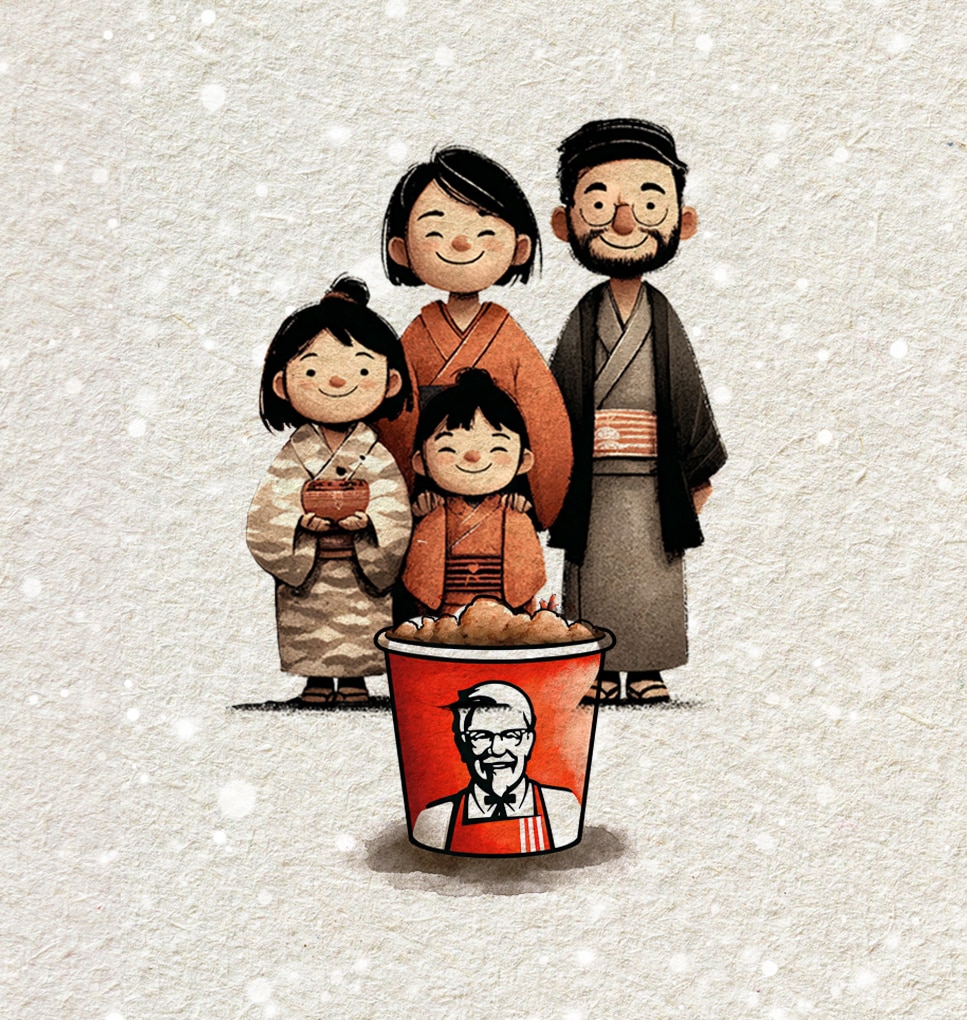
While the rest of the world is preparing elaborate dinners, in Japan, revellers rush out to buy a bucket of fried chicken. This story is so intriguing, it had to make the list.
The tradition only dates to the 1970s, and started as (what else) an American fast-food marketing campaign. The first KFC had just opened in the country, and the manager overheard a group of foreigners talking about how much they were going to miss a traditional roast-bird meal. It gave him the idea for a “party barrel”. Foreigners could celebrate with some familiar flavours. In something of a brainwave, the manager then spearheaded a marketing campaign that invited Japanese people to join in and celebrate as the Europeans and Americans were supposedly doing.
With no existing Christmas traditions in the largely Shinto and Buddhist country, the idea caught on. The Party Barrel is now something of a national tradition. The manager, Takeshi Okawara, would go on to serve as president and then CEO of KFC Japan.
Meanwhile, queues on Christmas Eve and Christmas Day are now so long, some outlets have begun to speed things up by letting revellers place their orders well in advance.
.
ROLLER-SKATE TO THE ROOSTER’S MASS
December is summertime in the southern hemisphere, so there’s no point trying to get into the mood with ideas of sleighs and snow.
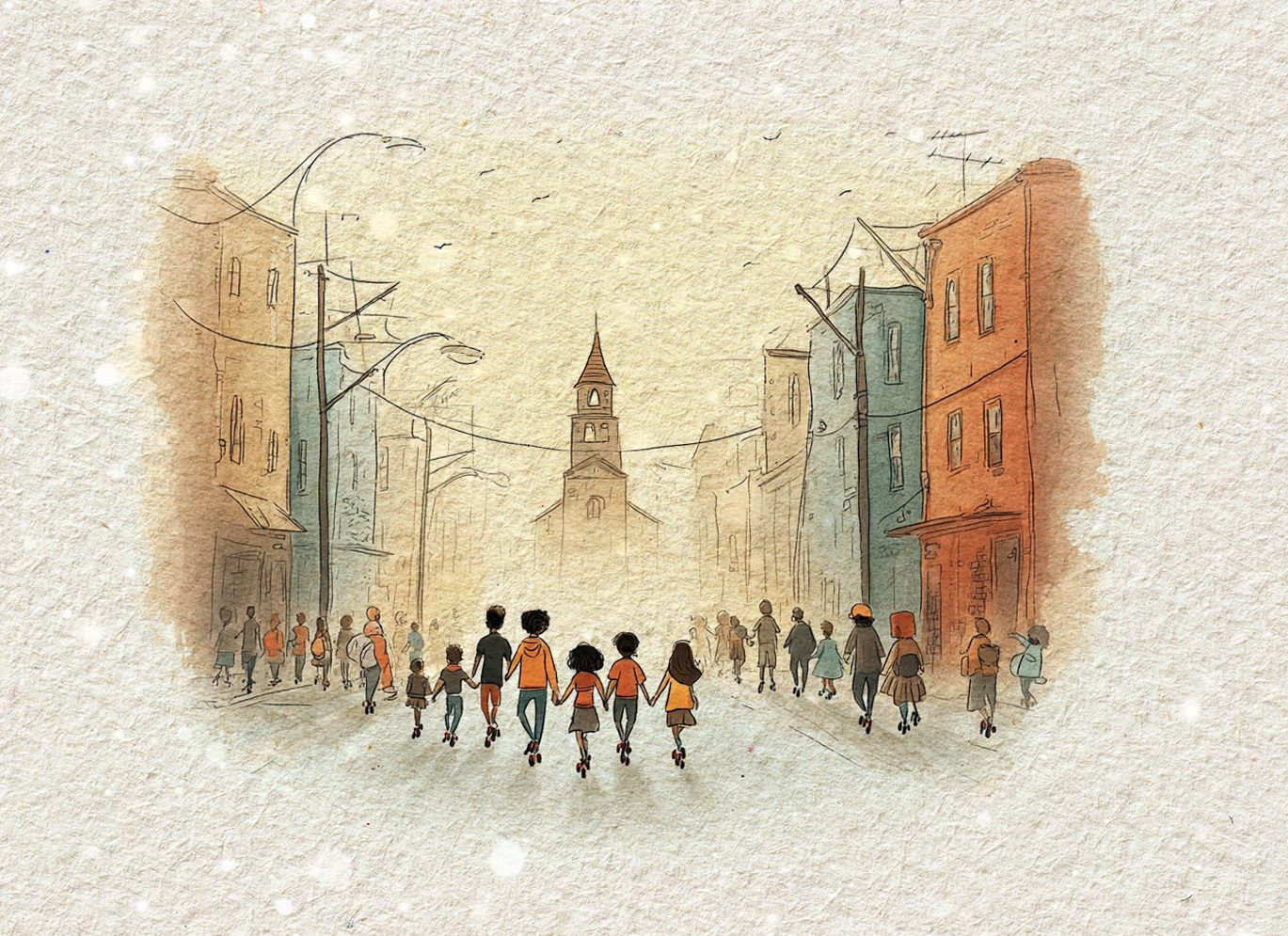
Instead, in Venezuela, Christmas is marked with all-night parties in the park. There are bonfires, hot chocolate, carols and fried treats. But the predominantly Christian nation does still want to make it to church on time, so revellers strap on roller-skates and glide there together, in a tradition now called Las Patinatas (Spanish for The Skating).
Major roads in cities such as Caracas are even closed to traffic during the dawn hours, to accommodate this ritual. In place of cars, snaking rows of skaters can be seen, with families holding hands as they head to the Misa de Gallo (or Rooster’s Mass) at 5 am.
.
THE DEVIL YOU CHOOSE…
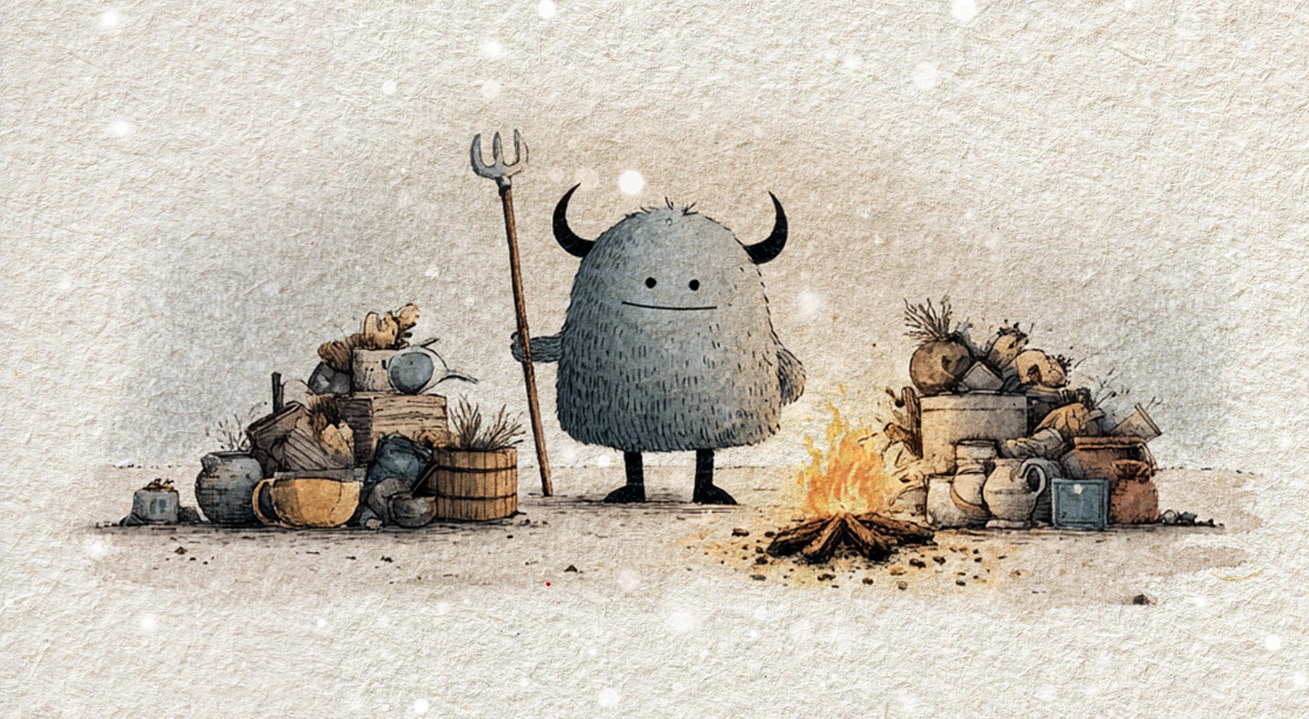
Christmas celebrations in Guatemala begin on December 7, with the La Quema del Diablo (Spanish for Burning of the Devil). First, each house is scrubbed of broken, unused items and other debris. These are then burnt, along with a papier-mache likeness of a devil, in a cleansing rite.
You can pick your monster too. These days, the devil may look Biblical, or may resemble a disliked politician or celebrity, a tech billionaire, an annoying popstar, or anyone else who set your teeth on edge through the year.