admin
admin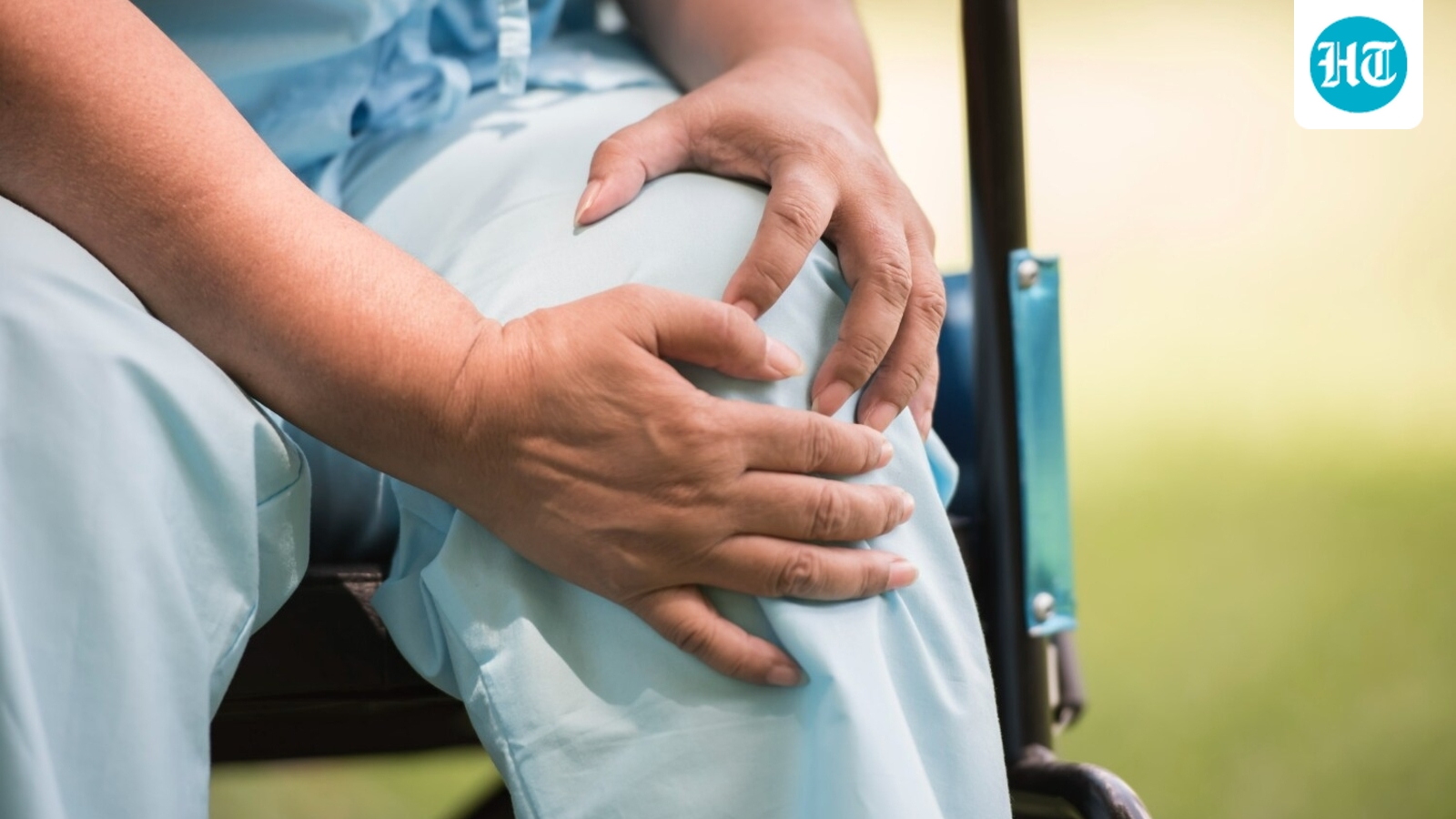
Winter is here, and along with cosy sweaters and hot drinks, it often brings an unwelcome companion—knee pain. Many people notice stiffness, aches, or discomfort in their knees as the temperature drops, making simple activities like climbing stairs or walking in the cold a challenge.
In an interview with HT Lifestyle, Dr Girish Bhalerao, Director and Chief, Mumbai Ortho Total Clinics, Sr. Consultant Orthopaedics Department, Gleneagles Hospital, Parel, shares the common causes, symptoms, and simple tips to keep winter knee pain at bay and stay active throughout the season. (Also read: AIIMS-trained neurologist warns ‘heart attacks are no longer an old-age issue’; shares rising risk among 18–45-year-olds )
Why does knee pain worsen in winter
“Knee pain is a common occurrence during winter, especially in adults and older people,” says Dr Girish. “Many people notice that their joints tend to become stiffer, swollen, and painful as the temperature drops. This happens because cold weather reduces blood flow to the joints, making the surrounding muscles tight and less flexible. People with arthritis, existing injuries, or weak muscles may experience even more discomfort.”
He adds, “Along with the cold, many tend to move less during winter, which further adds to joint stiffness. Lack of exercise and weight gain can also induce knee pain. These factors increase pressure on the knee joint, so it’s important to pay attention to symptoms.”

Dr Bhalerao advises watching out for signs such as stiffness after sitting for long periods, swelling around the knee, clicking sounds, difficulty climbing stairs, or discomfort while walking. “If ignored, knee pain may worsen, leading to reduced mobility, aggravated arthritis, or frequent joint strain. It’s essential to take charge of your knees during colder months,” he says.
Tips to keep your knees healthy this winter
Dr Girish Bhalerao shares the following tips to keep your knees strong, flexible, and pain-free during the colder months:
- Stay warm by wearing knee-friendly thermal supports as recommended by your doctor to keep joints comfortable.
- Do gentle exercises like stretching, brisk walking, or cycling to improve blood circulation and reduce stiffness.
- Strengthen thigh and calf muscles to support the knee and prevent further strain. If you’re doing strength training, do so only under the guidance of a fitness trainer and after consulting your doctor.
- Warm water baths or heat pads can relax tight muscles and relieve pain.
- Maintain an optimum weight to reduce pressure on the knees.
- Include calcium- and vitamin D-rich foods such as orange juice, cereals, and fatty fish to support bone health.
Dr Bhalerao concludes, “By taking these measures, it’s possible to manage knee pain and stay mobile during winter. However, if the pain becomes unbearable, it’s important to consult a doctor who can advise appropriate treatment. This winter, don’t forget to take care of your knees.”
Note to readers: This article is for informational purposes only and not a substitute for professional medical advice. Always seek the advice of your doctor with any questions about a medical condition.