admin
admin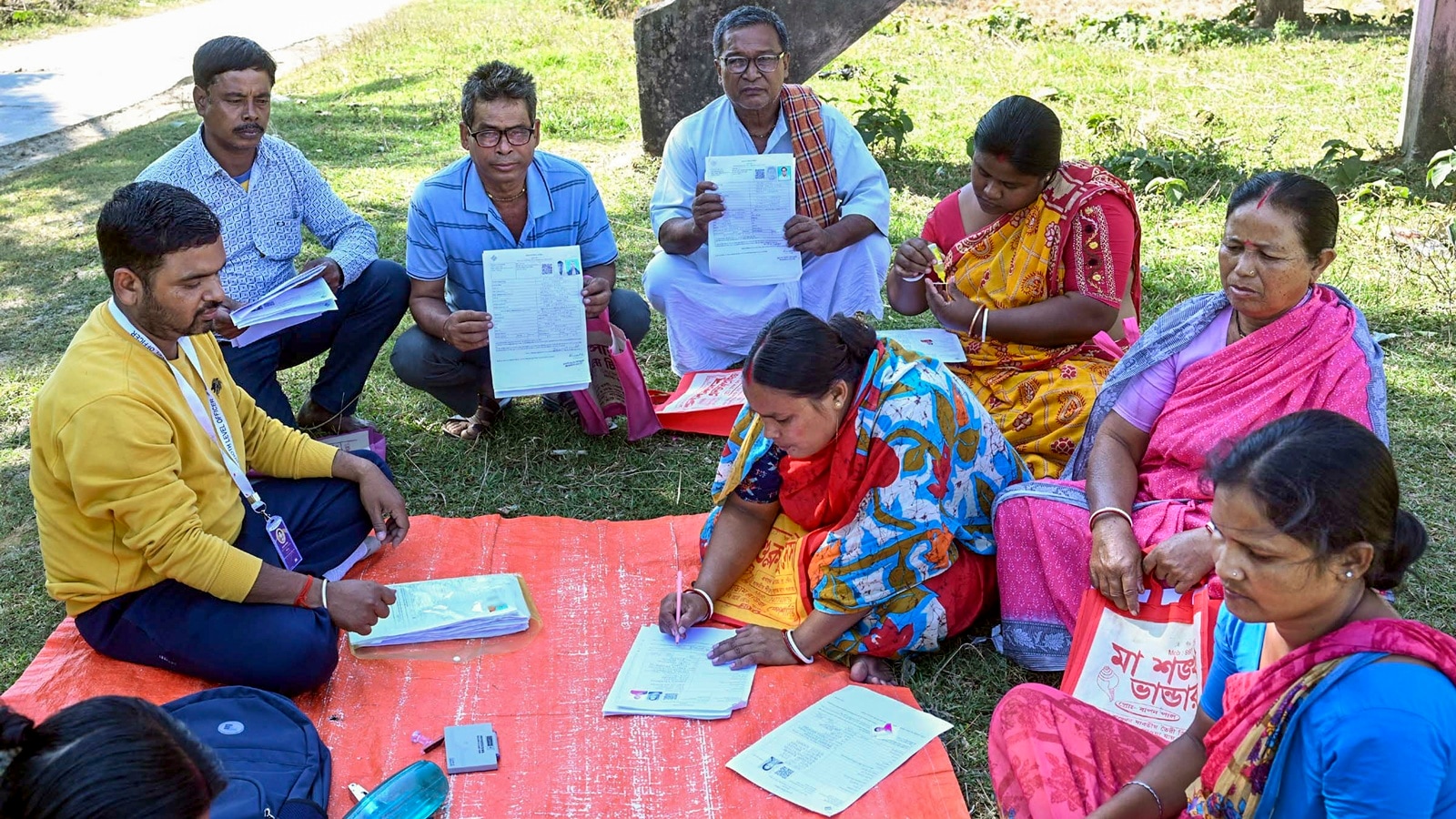
As the Election Commission of India (ECI) rolls out its Special Intensive Revision (SIR) across multiple states, the term ‘SIR’ has been trending across India… and along with it a lot of questions and confusion. The exercise first began in Bihar ahead of the Assembly elections and has now expanded to 13 states and Union Territories in the country. For many, this has raised a simple but urgent question: What is SIR and why does every voter suddenly have to fill out a new form?
What is SIR?
SIR, or Special Intensive Revision, is a large-scale verification exercise that the ECI undertakes when it believes the routine annual “Summary Revision” is not enough to clean the voter rolls. It involves house-to-house enumeration, pre-filled forms, online submissions, and fresh verification of old voter data.
Article 324 of the Indian Constitution grants ECI ‘plenary powers’ to supervise and update electoral rolls. Section 21 of the Representation of the People Act, 1950, also allows the Commission to order an intensive revision whenever it finds inaccuracies in the existing rolls.
Why is SIR being conducted now?
The Election Commission has reasoned that the usual yearly revisions can no longer fix what it calls “legacy data” issues — errors built up as India has not had a nationwide house-to-house revision since 2002-2004. In those two decades, voter rolls across states have accumulated:
- Dead or shifted voters who were never deleted
- Duplicate registrations of the same person in multiple locations
- Statistical distortions where elector numbers rise faster than projected population
With major state elections due in 2026, the ECI wants a voter list that is legally defensible, transparent and free of inflated numbers.
What information does the SIR form ask for?
The SIR form has four key sections:
1. Pre-filled details (to be verified)
When the Booth Level Officer (BLO) visits, they bring a pre-printed form carrying:
Story continues below this ad
- Your name
- EPIC, or Electors Photo Identity Card, number
- Address
- Part and serial number
- Assembly constituency
- Existing photograph
Voters must check spelling, address accuracy and if the photograph is clear. The ECI is replacing old or unusable images during SIR.
2. ‘Legacy linkage’ — the new and crucial addition
This is the biggest addition in the 2025 SIR. Voters are now required to trace their name or a parent/relative’s name to the voter list from the last intensive revision that occurred more than two decades ago.
The commission has created an all-India database of these old rolls, available on its website voters.eci.gov.in.
To check the legacy linkage, citizens will need to enter:
Story continues below this ad
- Name of self or relative as it appeared in the old roll
- Relationship (father, mother, spouse)
- Old EPIC number (if available)
- Assembly constituency, district and state from where they were registered
3. Updated personal information
Citizens must provide:
- Date of birth
- Mobile number
- Parents’ or spouse’s names
- Their EPIC numbers
- Aadhaar (optional, but often requested for deduplication)
4. Mandatory declarations
Every voter must confirm that:
- They are an Indian citizen
- Their name is not registered elsewhere
- All information provided is accurate
 Booth Level Officers check and collect enumeration forms as voters arrive to submit them for the special intensive revision (SIR) of electoral rolls. (Source: PTI/ Representational)
What should citizens do right now?
1. Complete the enumeration before December 4
BLOs will make up to three visits. If they have visited:
- Verify the pre-filled data
- Provide the legacy linkage details
- Sign the form
- Note the date of submission
If the BLO assigned to your area hasn’t visited:
Story continues below this ad
- Go to voters.eci.gov.in
- Link your mobile number (using Form 8, if required)
- Fill the Enumeration Form online
- Submit it via Aadhaar-based e-Sign (optional)
- Use “Know Your Polling Station” to call your BLO and request a visit
2. Check if your form has been uploaded
Log on to the portal and check your EPIC status.
3. Check the Draft Roll on December 9
On December 9:
- Visit the CEO website or your polling station
- Confirm that your name appears in the draft roll
If your name is missing from the draft voters roll, file Form 6 between December 9, 2025, and January 8, 2026.
4. Check the final roll on February 7
If your name is deleted, you can appeal within 15 days, first to the District Magistrate and then to the Chief Electoral Officer if needed.
Why SIR is important
SIR is not a routine paperwork exercise. The ECI is revamping the voter list after two decades of accumulated errors. If you skip the form, fail to verify your data or miss the deadlines, your name may not appear in the draft or final rolls. This means you may be unable to vote in upcoming elections.
Story continues below this ad
It becomes essential for voters to verify early, submit the form, and check the draft roll.