admin
admin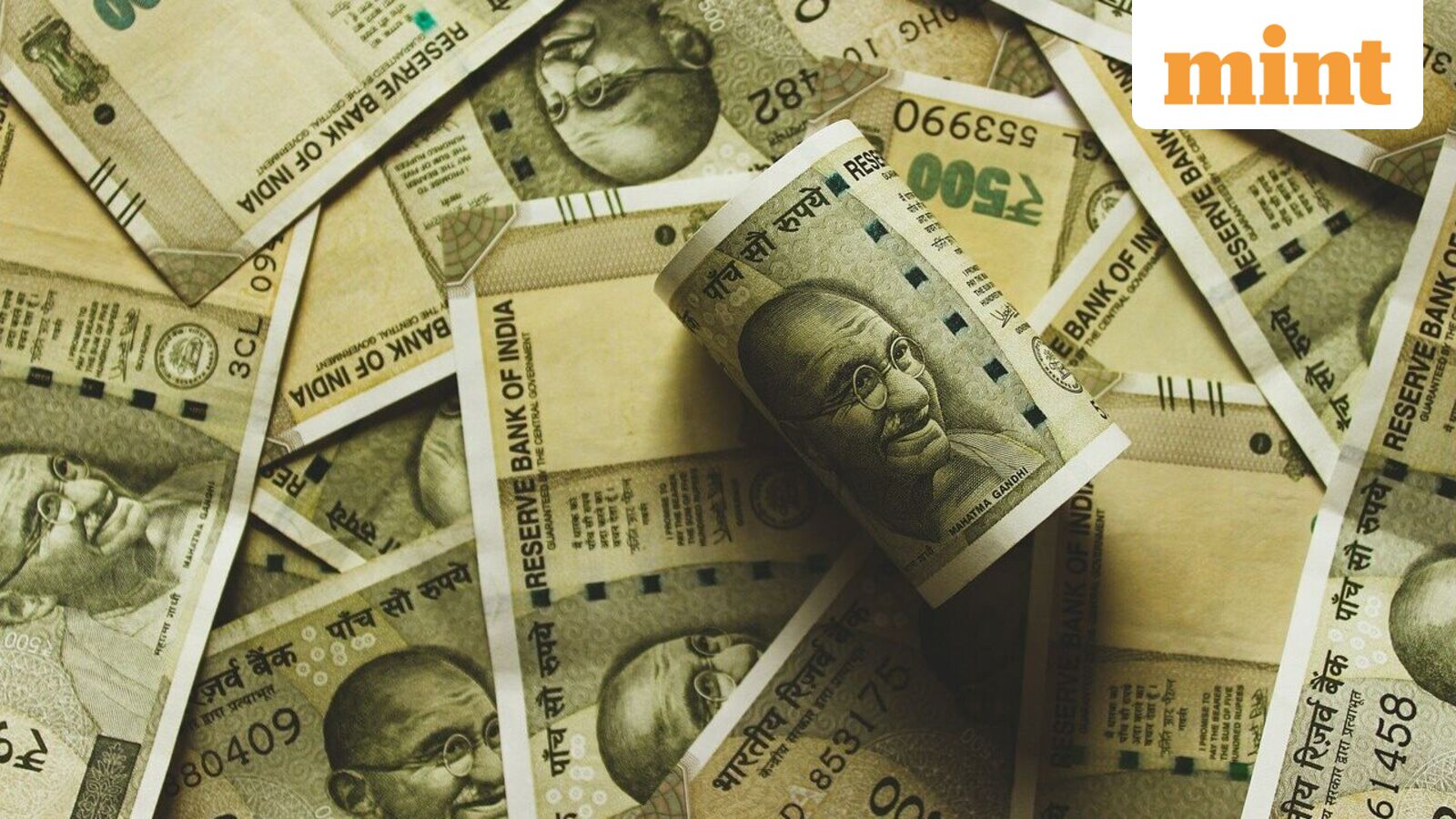
The rupee is expected to continue its long-term depreciation, reaching 94 against the dollar by FY27, as structural headwinds outweigh temporary relief from easing trade tensions, according to UBS Investment Bank.
The bank stated that the currency could weaken to 92 by the end of the current financial year, before further sliding. The Swiss bank’s outlook hinges on a combination of persistent capital outflows, underwhelming nominal GDP growth, and a central bank intent on rebuilding its war chest.
While a cooling of global tariff rhetoric may provide a window for recovery, analysts said that the upside for the rupee remains capped. Any rebound is expected to stall long before the currency can reclaim lost ground.
“Any rebound in rupee because of a trade deal would be one, limited towards 88 to 89 at best,” Rohit Arora, head of Asia FX & Rates Strategy at UBS Investment Bank, said during a recent media interaction.
A key reason UBS expects depreciation pressures to re-emerge is the Reserve Bank of India (RBI’s) management of foreign exchange reserves.
“The reason why we think pressure will come back is because of RBI’s loss of FX reserves over the last few months, which we think they will be quite actively replenishing as and when the rupee stabilizes or capital flows start coming back,” he said, implying dollar buying by the central bank would limit sustained rupee appreciation.
Capital flows remain central to UBS’s cautious outlook. The bank attributed recent outflows to growth dynamics and valuation concerns, rather than tariffs. At the core of the weakness in India’s capital account, it’s primarily growth, Arora said, adding that while real growth is strong, “in nominal terms…it’s been extremely weak,” weighing on corporate earnings and equity market returns.
Elevated valuations and India’s limited participation in the global artificial intelligence (AI) upcycle have also kept foreign equity inflows subdued, with UBS flagging net FDI at multi-year lows. Its equity strategists remain “underweight Indian equities” versus China into 2026.
Competitiveness
Bond inflows could offer some support as yields have risen, UBS said, but “on balance, it is not looking like enough of a turnaround on India’s balance of payment situation to call for a big reversal of dollar-rupee from 90 mark.”
UBS expects yield on the 10-year benchmark government bond to end FY26 at 6.5% and FY27 at 6.6%, with risks skewed to the upside.
UBS also pushed back against the argument that the rupee looks cheap after its recent fall. In 2025, the Indian unit depreciated by over 6% and reached an all-time low of 91.07 on 18 December.
“Even though India’s real effective exchange rate… has fallen to 10-year lows, we don’t think it’s necessarily cheap,” he said, adding that India’s core goods trade balance is hovering at a multi-year range as evidence of underlying competitiveness challenges.
UBS framed rupee depreciation as part of a longer-term trend rather than a cyclical shock. “Even though 94 might seem relatively high, let’s not forget the RBI governor himself mentioned a few weeks ago that 3-4% depreciation annually of the rupee is broadly normal,” Arora said.
“This pair, which has been making higher highs, higher lows since 2019 because of competitiveness, I think it will continue to make higher highs, higher lows.”
Globally, the Swiss bank’s currency stance is shaped by a call for a moderately stronger dollar, setting it apart from its peers, which are betting on sharp dollar weakness.
The bank is constructive on the Chinese renminbi over the medium term, expecting it to “appreciate gradually in the next several years, but not necessarily very meaningfully and very rapidly,” with authorities managing the exchange rate conservatively. In contrast, UBS is bearish on the Japanese yen, stating it is “relatively underweight Japanese yen” and forecasting the dollar-yen to weaken toward the high 150s amid negative real rates and capital outflows.