admin
admin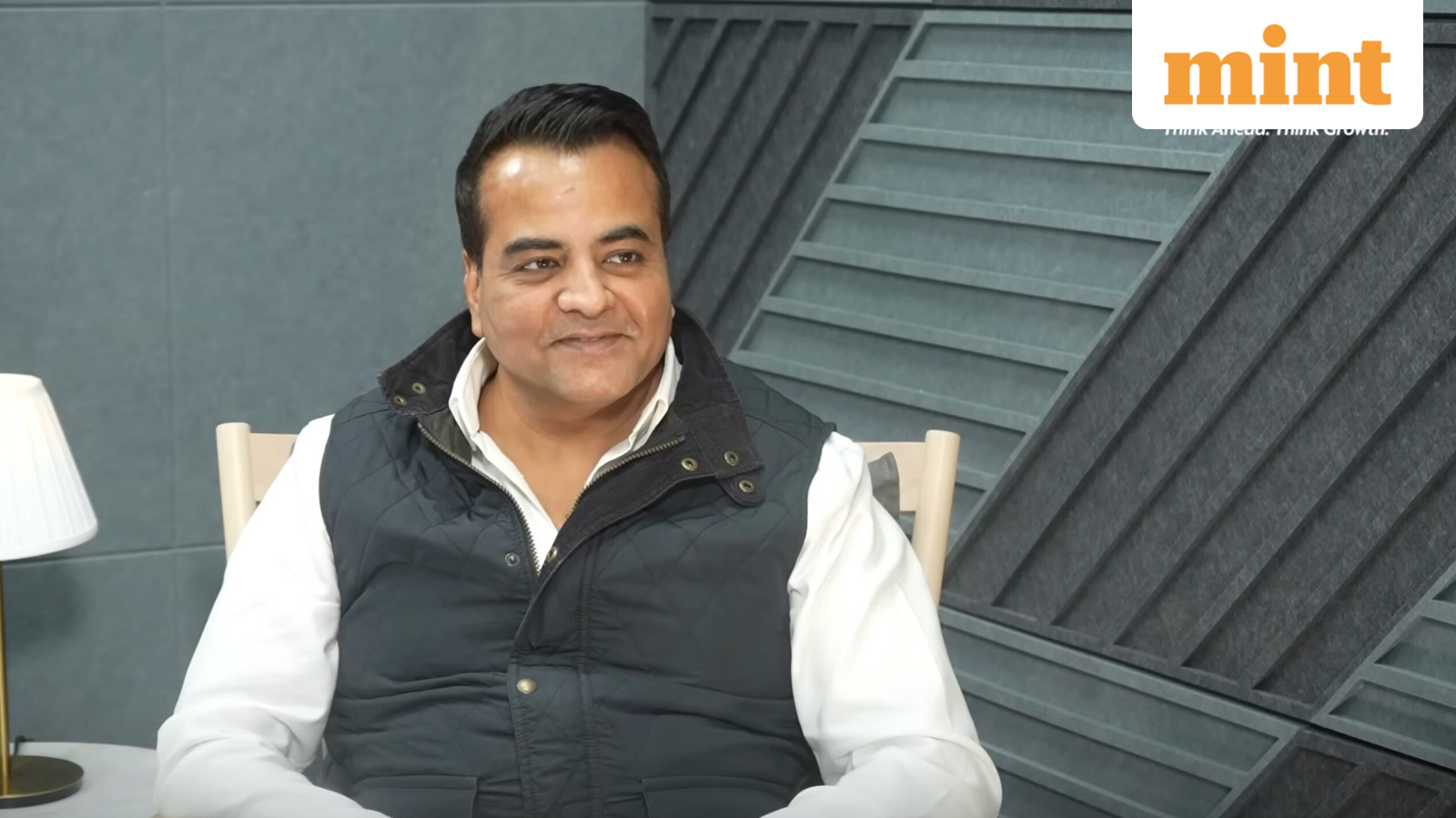
As we stand on the threshold of 2026, investors in India are witnessing a transition. After a period of aggressive rate hikes and subsequent pauses, the tide seems to have turned. Recently, the Reserve Bank of India (RBI) brought down the repo rate by a cumulative 125 basis points in 2025, making the fixed income part of an investment portfolio more than just a balancing force. Today, it can be the reason for wealth creation.
For years, retail investors in India have prioritised equities for wealth creation and fixed deposits (FDs) for safety. However, the current macro-economic environment suggests a shift in strategy. As equity markets experience a cooling period and interest rates begin their downward journey, bonds are emerging as the ‘sweet spot’ for those looking to lock in high returns while managing risk.
The Growth Opportunity
Despite the RBI’s recent rate cuts, the government security (G-Sec) market which is the benchmark for risk-free rates is yet to fully reflect these changes. This lag creates what experts call a “short-term anomaly” and a massive opportunity for the savvy investor.
While banks like the State Bank of India (SBI) were quick to slash FD rates almost immediately after the central bank’s signals, bond yields have remained stickier. This means investors can still find bonds offering higher yields before the market eventually catches up and prices rise.
“This reduction cycle or pause cycle will remain for another couple of years unless something shocking happens to the world or the economy”, said Vishal Goenka, Co-founder and CEO of IndiaBonds. He was speaking to Subhana Shaikh, Special Correspondent at Mint on Mint Bond Street Dialogues, presented by IndiaBonds.
“In a falling interest rate cycle, it is the best scenario for bond investors because one of the primary risks – market risk – is essentially eliminated,” he added.
Watch the full episode below,
Understanding the Inverse Relationship
To navigate this market, one must understand the fundamental ‘Bond Math’. When interest rates in the economy go down, the price of existing bonds goes up.
Goenka explained this with an example. Imagine you hold a bond that pays a 10 per cent interest rate. If the RBI cuts rates and new bonds in the market only offer 9 per cent, your 10 per cent bond suddenly becomes more valuable. Investors will be willing to pay a premium to buy your bond, leading to capital appreciation.
In 2025, investors who entered 10-year G-Secs at 7.1 per cent saw their bond prices jump as yields dropped toward 6.5 per cent. This resulted in double-digit total returns, which in certain cases even exceeded the volatile equity markets of the same period.
Looking beyond the humble FD
A well balanced portfolio with exposure to different asset classes is one of the basics of wealth management. A common mistake many Indian households make is an over-reliance on FDs. While FDs provide safety and liquidity, they are often the first to lose value in a falling rate cycle.
“FDs should be a very small portion of your portfolio, perhaps no more than 10-15 per cent of your bond investments. They are meant for the short term, but to make extra returns, you have to do the hard work and look at direct bond investments that suit your risk profile,” Goenka advised.
For a balanced 2026 portfolio, financial experts suggest a “Barbell Strategy”. This includes,
The Income Leg: Invest in 2-to-3-year high-yield corporate bonds (rated A or A+) offering 9.5 per cent to 11 per cent. These provide steady income and are less sensitive to minor interest rate fluctuations.
The Growth Leg: Invest in 10-to-15-year G-Secs or AAA-rated PSU bonds. These are the most sensitive to rate cuts and offer the highest potential for capital gains as rates continue to soften.
The Power of Duration and Laddering Strategy
One technical term every investor should learn this year is Duration. It measures how much a bond’s price will move for every 1 per cent change in interest rates. A 10-year bond is significantly more sensitive than a 1-year bond. In a falling rate environment, ‘going long’ on duration is the key to maximising profits.
However, since no one can perfectly time the market’s bottom, the Laddering Strategy remains the gold standard for risk management.
“A laddering strategy hedges you from both falling and rising rates by spreading your capital across different maturities. If you have ₹5 lakh, you buy five bonds with maturities one year apart, allowing you to reinvest 20 per cent of your capital every year at prevailing rates,” Goenka explained.
Taxation and the Road Ahead
While the investment case for bonds is strong, investors must remain mindful of the tax implications. Currently, listed bonds attract a 10 per cent Tax Deducted at Source (TDS) and interest income is taxed at your applicable slab rate. There is a growing chorus in the financial community for the government to reconsider this TDS structure in the upcoming budget to make the bond market even more attractive for retail participants.
As we move into 2026, the outlook remains cautiously optimistic. The era of ‘cheap money’ may not be returning to its post-pandemic lows, but a flat-to-soft interest rate environment is the perfect backdrop for growth of the corporate bond market.
The digital transformation of the Indian debt market has also acted as is also a major catalyst. Online bond platforms have ‘unshackled’ the market, allowing individual investors to buy bonds with the same ease as they buy stocks or mutual funds.
Key Takeaway for 2026
Presuming that “the RBI has cut rates enough, so the opportunity is gone” is a myth. The interest rate cycle is a multi-year journey, and we are only in the middle of it.
“I think next year is going to be very exciting because corporate bond markets are going to grow phenomenally. Bonds will become a dinner table conversation in households as people realise they can earn 9-10 per cent consistently without the volatility of equity,” Goenka said.