admin
admin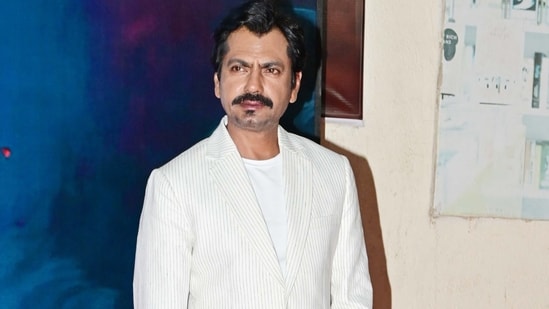
Nawazuddin Siddiqui has never been one to follow industry norms unquestioningly, be it the kind of roles he opts for or sharing his thoughts on the growing entourage debate and the overdependence on franchise filmmaking. Speaking about the entourage debate, the actor specifies how he chooses to have a small, limited team travel with him as its more efficient this way. “I actually prefer having fewer people around. They’re more efficient that way,” he says, questioning the logic behind having multiple assistants for every department. He adds: “When a small team can do work efficiently, what is the need for big teams and so many people?”
For Nawazuddin, a lean setup not only helps maintain focus but also avoids what he described as being “overstaffed and underworked,” a situation he feels rarely serves any creative purpose. While acknowledging that every actor has their own comfort zone and working style, Nawazuddin emphasizes that personal preferences should not automatically translate into inflated demands. “Professionalism lies in knowing what is essential to the work and creative process. Having said that, it’s also between a producer and an actor. Everybody is a different individual and they prefer their own comfort and know what they are worth. If a producer is happy adjusting to one’s demand, who am I to say, I prefer working with a small team.”
Nawaz, who was recently seen in Raat Akeli Hai: The Bansal Murder Case, also weighed in on the current obsession of the industry with franchises and sequels culture, a trend he feels is rooted in creative complacency rather than storytelling ambition. According to Nawazuddin, the problem isn’t limited to Bollywood alone. “Even Hollywood is doing it, and doing it badly. Successful films are repeatedly extended simply because the original worked, that’s not how it should be,” says the 51-year-old. He adds: “Just because one film is a hit, and you use that formula to create a 2nd, 3rd, and they’re all bad. And it’s been going on for 25 years, this idea of a franchise. You can’t do that.”
He stresses that audiences eventually see through this repetition, adding that filmmakers cannot afford to take viewers for granted. “You can’t be lazy with content. Some things shouldn’t be touched again and again,” he wraps.