admin
admin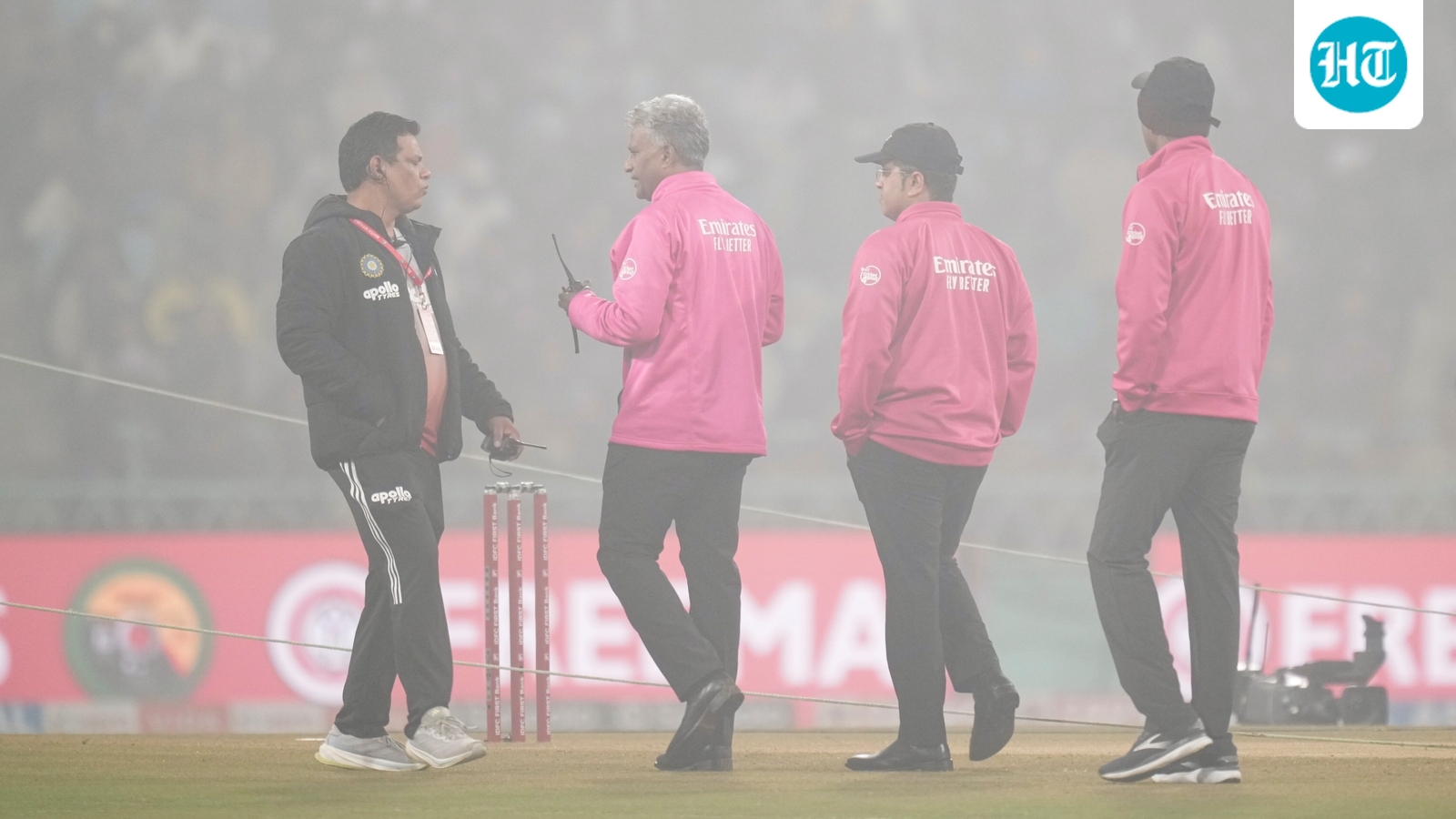
It’s been a season of own goals so far as Indian cricket is concerned. It started with the appointment of Shubman Gill as captain of the One-Day International side and a recall with the vice-captaincy thrown in to the Twenty20 International side which has coincided with – one is not sure if ‘catalysed’ by – his poor form in the 20-over game. Gill was just about beginning to settle into his new role as skipper of the Test team when the additional responsibilities were thrust on his young shoulders. With rapidly changing formats and different time zones greeting his ascension to the throne, the all-format captain-in-waiting has been in the wars, physically and run-wise.
Own goal No. 1 was backed up by the ill-advised decision to lay out a square turner of dubious bounce – if one is being generous – for the first Test against South Africa at Eden Gardens last month. Overlooking the reality that India’s batters are no longer the masters of spin they once were, the think-tank shot itself in the foot and allowed off-spinner Simon Harmer, seasoned but hardly world-beating, to plot a coup with extraordinary match figures of eight for 51.
Either side of this debacle, Gautam Gambhir’s reign as head coach has been marked by constant chopping and changing in all three formats, with batters batting out of position consistently. The revolving door policy has helped no one and might have put the Test careers of Sai Sudharsan and Nitish Kumar Reddy, and the T20I prospects of Sanju Samson, in limbo for the foreseeable future.
An embarrassing own goal was salvaged in the nick of time by tweaking the schedule for the two two-Test series at home. West Indies were initially due to play in Ahmedabad and Kolkata in October, South Africa in Delhi and Guwahati the following month. Logically, it made sense to have Kolkata and Guwahati in one cluster, but hey, when has logic been the driving force? It wasn’t until someone realised the folly of scheduling a Test in Delhi in the middle of November, immediately after Diwali with the air quality at its poorest, that the rearrangement came – vs West Indies in Ahmedabad and Delhi, vs South Africa in Kolkata and Guwahati.
Against this backdrop, is it really surprising that Wednesday’s T20I in Lucknow proved a non-starter? More out of form than in any real hope, umpires KN Ananthapadmanabhan and Rohan Pandit undertook five inspections before officially calling off the match at 9.25 pm. Due to – drum roll – ‘fog’ that rendered visibility to the bare minimum. Fog in northern India during the winter? You got to be kidding.
India pride themselves on possessing the most ‘active’ international cricket venues in the world. Given the vast expanse of the country, it is inevitable that these centres will be scattered across its length and breadth. Why, therefore, would you zoom in on a city where fog is a certainty at this time of the year? Are political and other considerations so overwhelming that those tasked with the scheduling of international games in the Board of Control for Cricket in India can’t work out more meaningful itineraries? Are players, Indian and overseas, so dispensable that they can be moved around like marionettes by the master puppeteer to whom alone what is obvious to the rest of the landscape remains invisible? Will there be accountability? Ha.
The five matches against South Africa were to kick off the final preparatory phase ahead of the T20 World Cup, which India will seek to defend on home patch in February-March. These games, and five more against New Zealand in January, gave India a solid chunk of ten outings to iron out the few creases that still remain. In one fell swoop, due to apathy and indifference rather than force majeure, that process has been rudely interrupted. Even the most cricket-indifferent would have pointed out the stupidity of scheduling a night match in Lucknow – the teams lucked it out in bitterly cold Dharamsala three nights previously – in the middle of December. But when have such considerations truly mattered?
There was a precedent of sorts at the 50-over World Cup in 2023 when India’s round-robin league fixture against New Zealand at the HPCA Stadium in Dharamsala had to be halted for 10 minutes due to poor visibility triggered by low-hanging Himalayan clouds rolling in from the Dhauladhar range. That was a freak occurrence; winter had yet to truly set in (the match was played on October 22), so there was an excuse of sorts. But this Lucknow fiasco? No sir, not even if one stretches their imagination to the fullest. What a shame.