admin
admin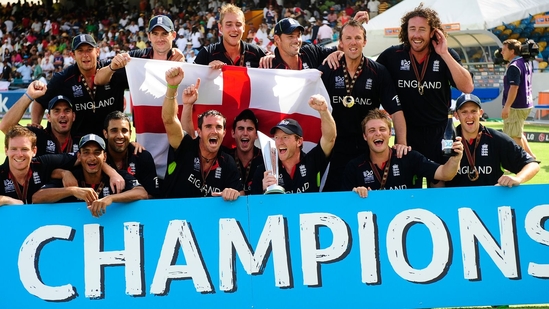
After South Africa and England, the T20 World Cup’s next stop was the West Indies. The time was ripe for the tournament to get a taste of the Caribbean flair, and boy oh boy, did the event live up to the hype or what. The third edition of the World Cup finally saw the Asian dominance end as the Ashes rivals – England and Australia stepped up big time to fight it out in the final in Barbados. England, led by Paul Collingwood, finally ended their ICC title drought by beating Australia in the final. The Three Lions, who were always lambasted for not keeping up with the times, displayed the willingness to adopt the slam-bang approach, and it yielded the desired results right away.
Apart from the England win, the World Cup also delivered major surprises, and the conventional wisdom took a back seat. There was an eerie feeling of a Caribbean carnival, and it was best summed up during the match between India and the West Indies, which the latter won.
The 2010 World Cup was played across stadiums studded with steel bands, roaring crowds and the gorgeous swaying palm trees. The time for jokes was over as it was serious business when the action began.
Here are some of the biggest highlights of the 2010 T20 World Cup
England’s redemption story finally arrives
The headline story of the tournament was England’s stunning transformation. England had not reached the semi-finals in the previous two editions, crashing out in the Super 6s stage. Many doubted whether English cricket truly understood T20S. However, what followed in the Caribbean was a complete tactical reboot. England arrived with a clear plan: aggressive batting up top and bowlers who could adapt to slower pitches.
Kevin Pietersen, returning from injury and controversy, became the face of this revival. He provided England with stability without sacrificing intent. Just like that, England reached the final, where they beat the favourites, Australia, led by Michael Clarke.
Kevin Pietersen shows his class
Every great tournament always has that one player who sets the tone. In 2010, that was Pietersen. Named Player of the Tournament, Pietersen blended composure with innovation, taking down both spinners and fast bowlers, and this was crucial on Caribbean pitches. His unbeaten 73-run knock against Pakistan was a masterclass in controlled aggression. He anchored the chase, ensuring England never lost grip of the task at hand. For a format often hailed for bringing aggressive strokeplay to the front, Pietersen’s performances reminded the world that intelligence mattered just as much as power.
India crashes and burn
One of the most striking features of the 2010 World Cup was the early exit of traditional heavyweights. Defending champions Pakistan survived the group stage, but lost the semi-final against Australia. However, India failed to even make it that far, bowing out in the Super 6s stage. Despite boasting a star-studded lineup, they struggled to adapt to conditions and failed to string together cohesive performances.
The tournament highlighted India’s overreliance on individual brilliance rather than collective strategy in T20 cricket.
Rise of Tactical T20 Cricket
Beyond results, the 2010 World Cup also marked an evolution in how T20 was played. Priority was given to match-ups, flexible batting orders, and specialist roles. England’s use of Graeme Swann and the trust placed in utility options showcased this shift. T20 was no longer just about slogging; it was about control, adaptability, and game awareness.
The 2010 ICC T20 World Cup wasn’t just another entry in the ever-growing ICC event list. It redefined reputations of some teams, England being the case in point while several other teams showed the willingness to reshape strategies according to the match situation. A champion was crowned that only few had predicted.