admin
admin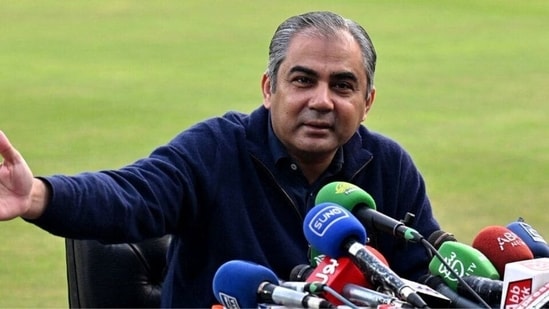
Pakistan Cricket Board chief Mohsin Naqvi could still make a late U-turn on his hardline stance around Pakistan’s engagement with India at the ICC Men’s T20 World Cup 2026, with the timing of Bangladesh’s general election now emerging as a potential pivot point in the fast-moving political-cricket standoff, PTI reported.
A train of thoughts suggest that Mohsin Naqvi, the Interior Minister of Pakistan might make a U-turn once the general elections are held in Bangladesh on February 12 and a democratic government takes charge instead of the present one headed by Mohammed Yunus.
“Naqvi more than a cricket administrator is a politician, who is not one bit bothered about the welfare of the national team. He is trying to score a brownie point with his and could well flip once elections are held on February 12.
“There would still be two days before the India game and things could just change. Else he knows that Pakistan could be ostracised,” another source tracking Pakistan cricket said.
Naqvi has been at the centre of a widening debate over whether Pakistan will hold its position in the face of tournament obligations and commercial pressures, with insiders suggesting the calculus is now being driven as much by optics as by cricketing logic. The fresh suggestion is that a post-election reset in Dhaka could allow Islamabad to recalibrate its approach, while framing any change as a response to “new circumstances” rather than a climbdown.
For Pakistan, the stakes are multi-layered. Beyond the immediate match implications, the broader concern is how the cricket world — administrators, sponsors and fans — interprets a decision that appears political. The “ostracised” warning in the quote underlines a fear that Pakistan could be painted into a corner if it is seen as the party unwilling to engage under existing tournament frameworks.
The timing, if this reading holds, is critical. With Bangladesh’s election scheduled for February 12, any shift would likely come in the narrow window between the results and the India fixture, leaving little space for prolonged negotiations. That, in turn, could push decision-making into a last-minute scramble — the kind that creates confusion for teams, broadcasters and organisers.
What happens next may depend on whether Naqvi chooses to stay rigid to satisfy domestic political sentiment, or flips to avoid long-term damage to Pakistan cricket’s standing. Either way, the next fortnight is shaping up as a test of whether politics can keep dictating cricket’s biggest rivalry, or whether pragmatism finally forces a reset.