admin
admin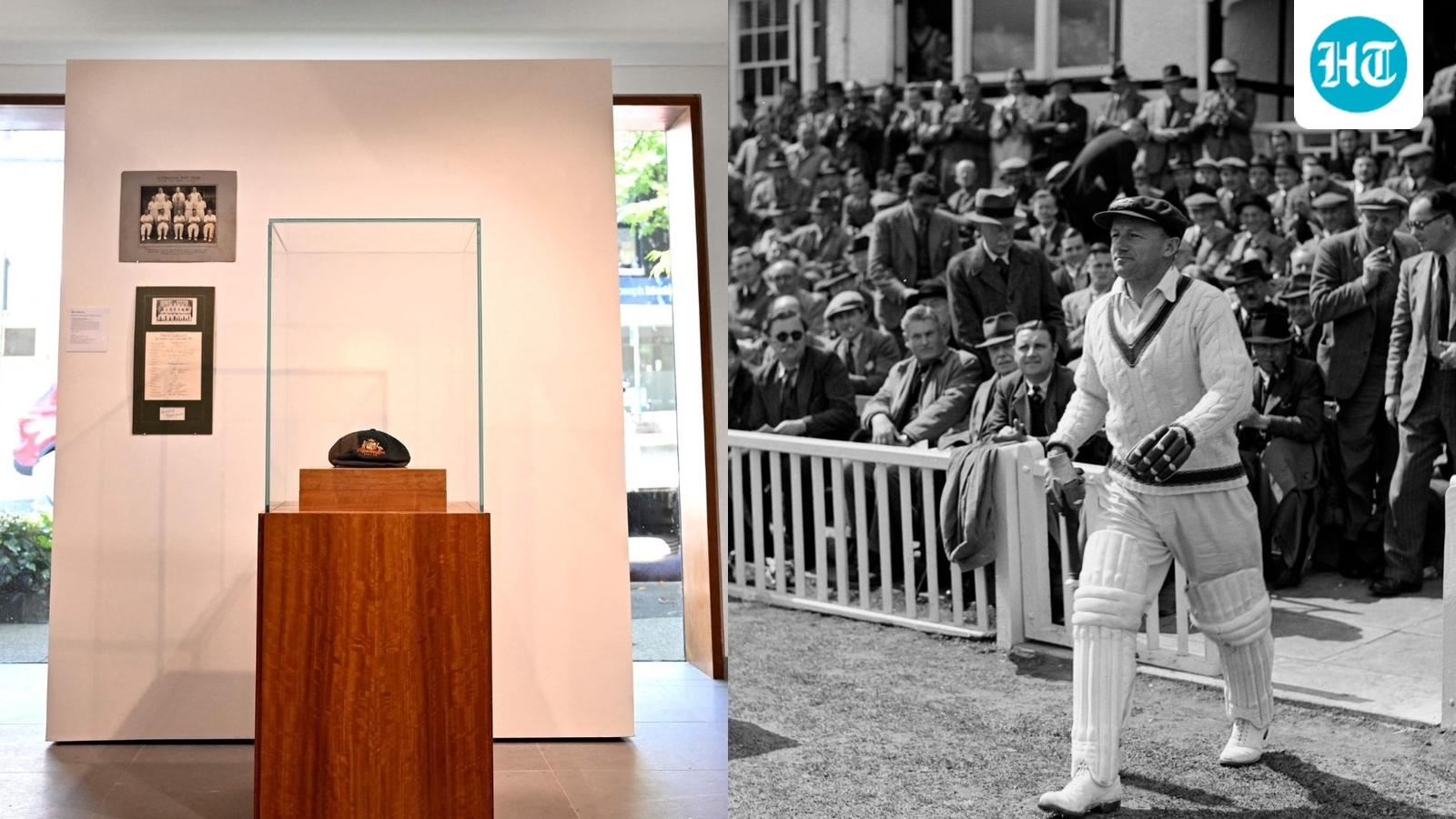
Don Bradman’s long-hidden Baggy Green, worn during Australia’s 1947-48 Test series against India, is heading to public auction in a sale expected to draw global interest from collectors and museums alike. The cap, one of cricket’s most prized artefacts, has remained in private hands for more than 75 years after being gifted by Bradman to Indian cricketer Sriranga Wasudev Sohoni.
The item will be sold by Australia’s Lloyds Auctions, with online bidding opening at A$1 and closing on January 26, 2026, coinciding with Australia Day. Auctioneers say the uninterrupted family provenance and the cap’s rarity in the modern memorabilia market make it a standout piece from the game’s golden age.
A cap tied to a defining series
The 1947-48 tour was India’s first Test series in Australia after Independence and ended in a 4-0 defeat, with one match drawn. Bradman, then nearing the end of his career, dominated the series with 725 runs in six innings at an average of 178.75, including four hundreds and a double hundred, numbers that remain among the most staggering in Test history.
In that era, Test caps were often issued for specific tours rather than being a single, career-long item, meaning surviving series Baggy Greens linked to Don Bradman are scarce. The fact that this cap was personally presented to Sohoni and kept out of public view for decades adds to the historical weight.
Lloyds said the cap is being offered with supporting documentation around its history, and described it as a museum-grade piece because it has been preserved within one household rather than circulating through dealers. For buyers, the continuity can be as valuable as conditions, reducing questions around authenticity and ownership.
Where the price could land
While Lloyds has not set a format estimate, recent sales provide context. A Bradman Baggy Green from his 1928 debut season was sold for A$450,000 in 2020. The record for an Australian Test cap remains Shane Warne’s Baggy Green, which fetched A$1,007,500 in a charity sale. Those benchmarks have fuelled speculation that the Bradman-Sohoni cap could push into seven figures, depending on bidding from institutions and high-end collectors.
For cricket historians, the significance goes beyond the final number: It is a tangible link between Bradman’s legacy and a landmark India-Australia chapter, finally emerging from a family collection into the public spotlight at long last.