admin
admin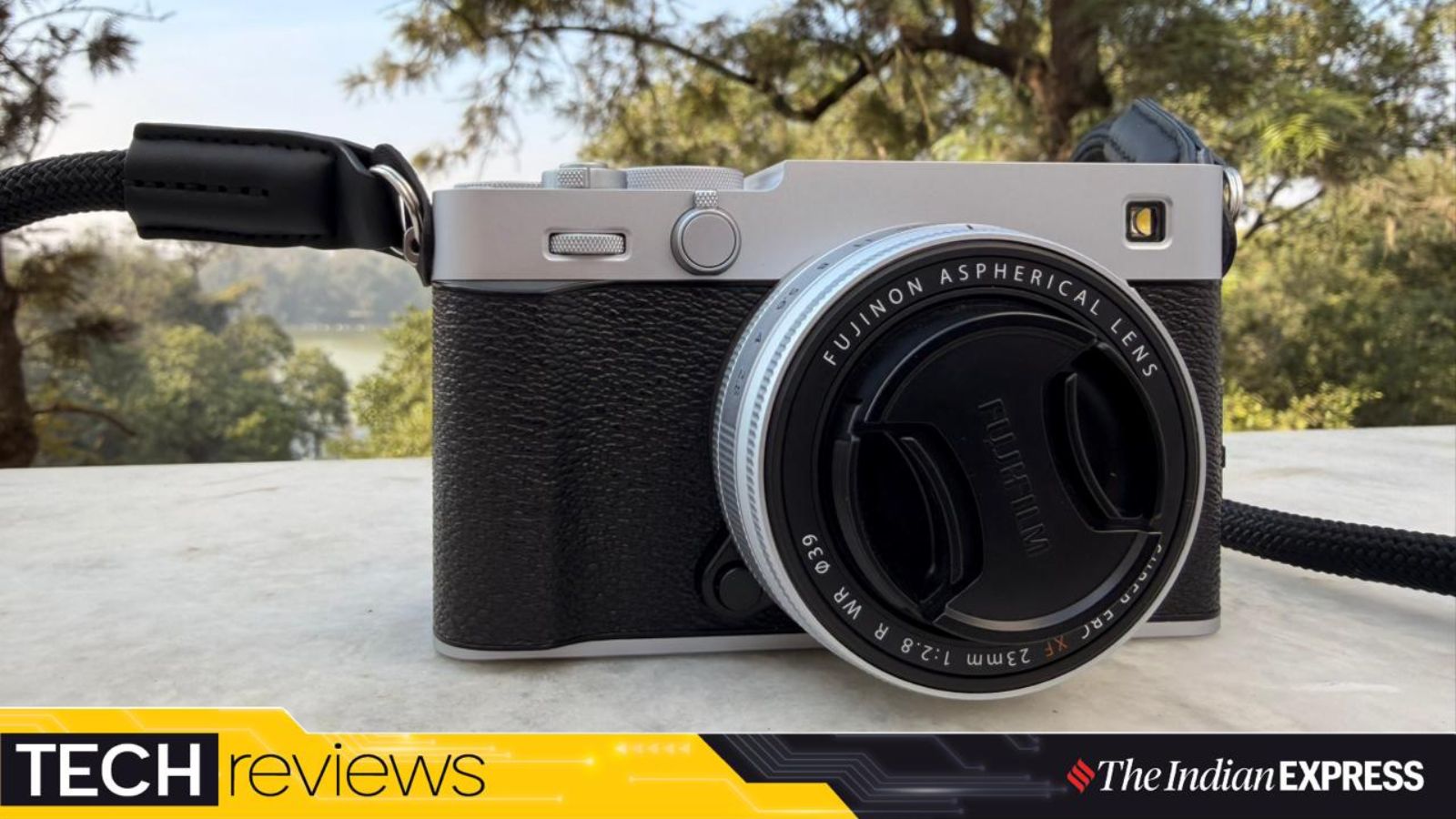
I keep checking out how cameras are evolving and if they are getting compelling enough for me to invest in one that I will carry along with the iPhone, my trusted camera for the past many years. The Fujifilm XE-5 could be this camera, but it has been a tough one to review. I don’t say this because the camera has issues, but because it has come to me in a season when the Delhi region is just smog and dust, thanks to the annual pollution festival that is an intrinsic part of our lives. I have tried to make the best of this versatile camera in what is, at best, the monochrome season in our lives.
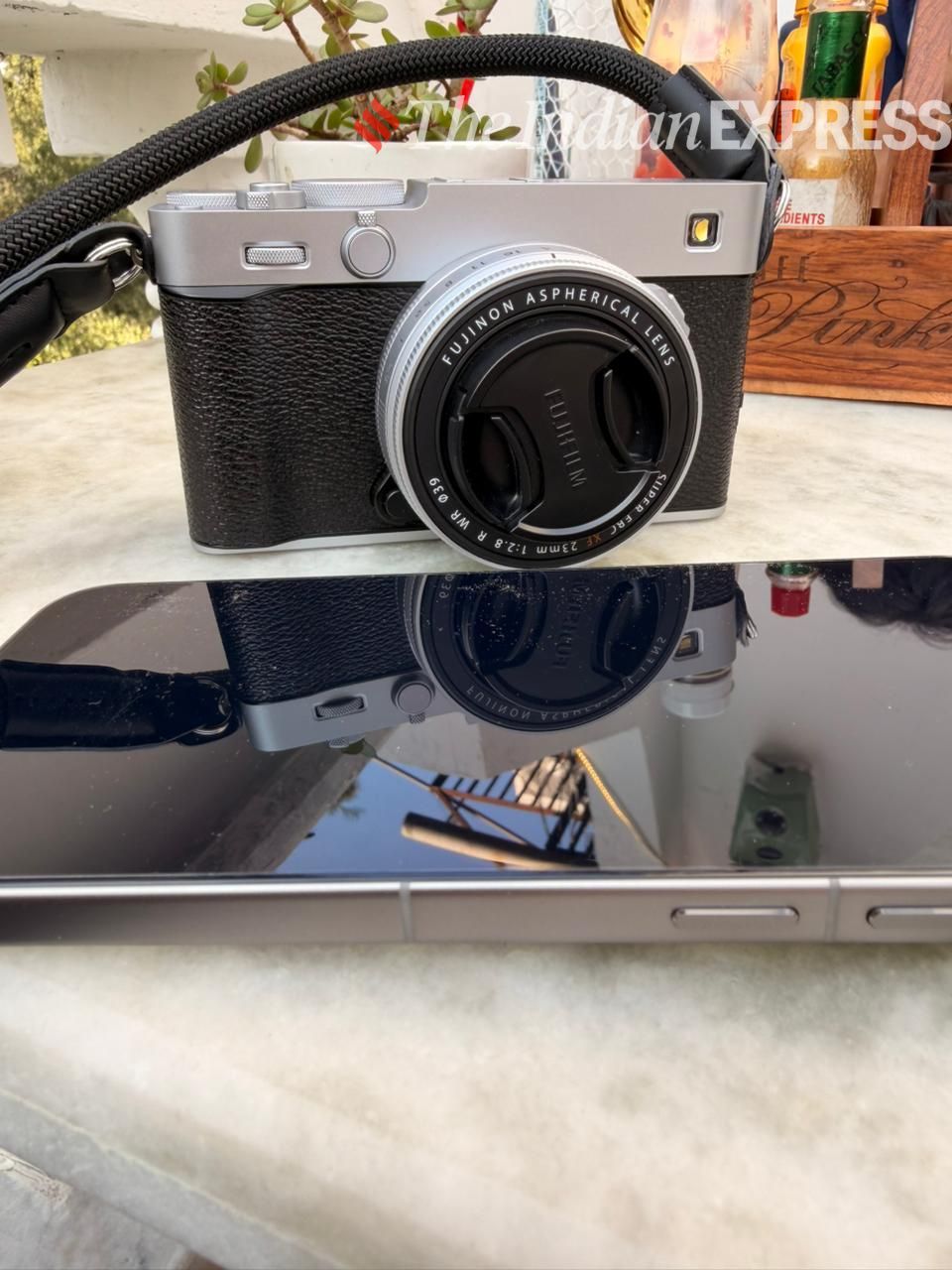
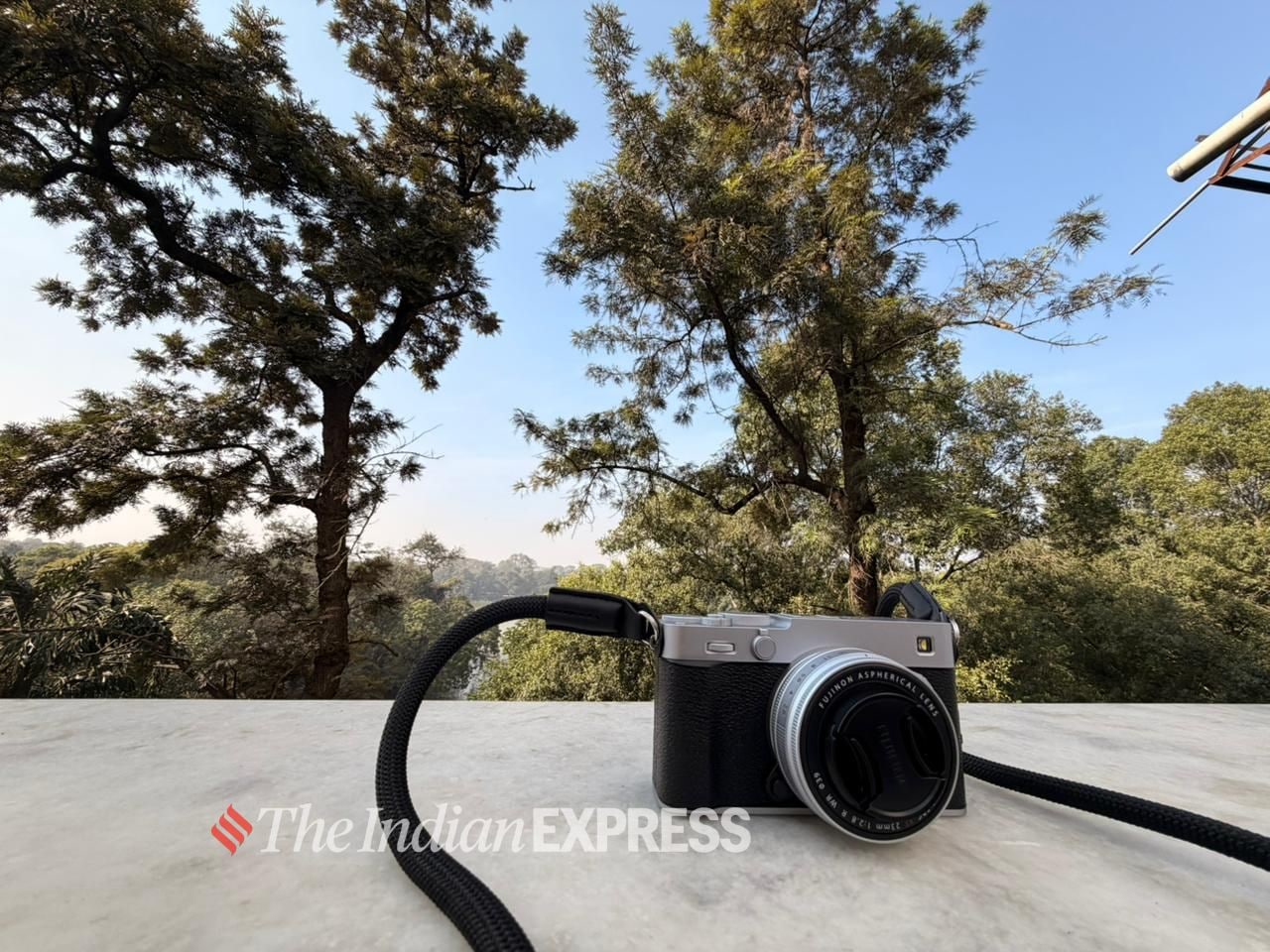
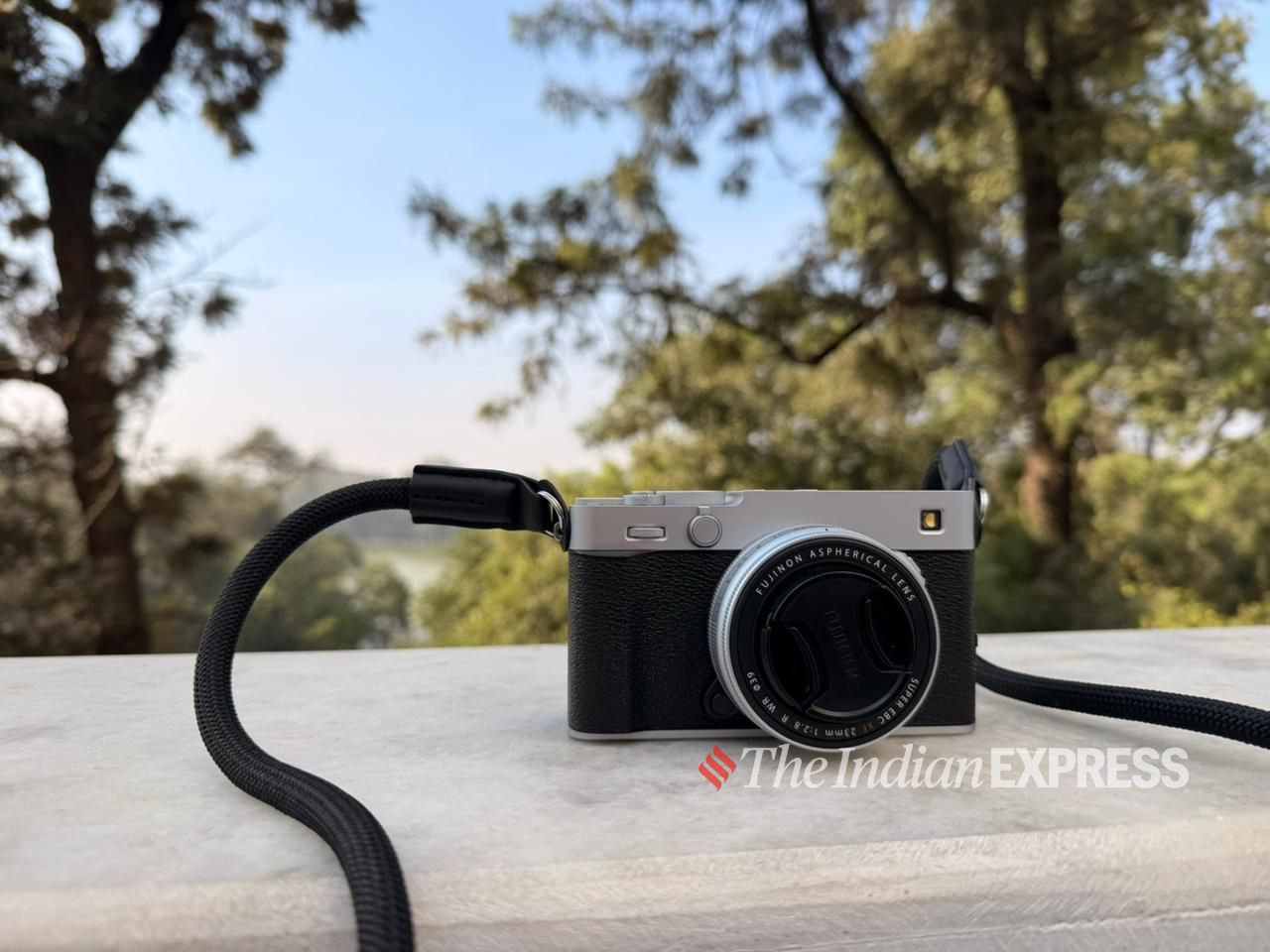
The Fujifilm XE-5 is a compact, retro-looking camera that offers the best of modern-day technology. Inside the aluminum chassis and range of dials and buttons is literally everything you can imagine to do with a digital camera. All this can also be overwhelming. One needs to spend time with the camera and its many dials and buttons to figure out the functions.
 The Fujifilm XE-5 is a compact, retro-looking camera. (Image: Nandagopal Rajan/The Indian Express)

For me, the camera offered the kind of grip and ease I am used to these days with a smartphone, and I believe this is going to be an important aspect for a lot of modern-day photographers. But there is also a load of nostalgia here, like the ability to use a full-fledged viewfinder with all the important information listed below. There was a time when I viewed the world through the viewfinders of my many cameras. This camera brought all those memories back. And in the weeks I was using the Fujifilm XE-5, I very rarely used the 3-inch tiltable LCD monitor to compose images.
Story continues below this ad
I loved the Surround Mode that lets you focus on your frame while keeping an eye on the large field of view to monitor subjects that might come in. This is leveraging the 40MP sensor well to give you crops inside that make your frames stunning. There is a toggle up front that lets you zoom in on the part of the frame that you want to make the core of your shot.
 You have options to go from FullHD to multiple 4K formats and 6.2K. (Image: Nandagopal Rajan/The Indian Express)
For the review, I got a Fujinon XF 23mm f/2.8 R WR lens that is again compact, making the setup perfect for portraiture and street photography, but very limiting for a lot of other use cases you might have. This is also great for landscape settings where you want to capture a sunset in all its glory because of the optics of the lens. But thankfully, no such luck in smogged-out Delhi, where I was stuck during the duration of the review.
Story continues below this ad
As you would expect with a Fujifilm camera, there is the film simulation dial on the top that gives you the popular presets as well as three customisable FS settings where you can add your own recipes. This is one place where I found my skills a bit short and dated.
Using the camera
But I did manage to take the camera on a couple of short photowalks, getting some decent clicks that showed the flexibility of this camera. Using the lens ring, I could change the aperture easily while composing images with the viewfinder. But I failed to capture anything stunning: one, because most of Delhi has, beyond a point, never excited me as a photographer, and two, the camera takes some time getting used to.
 Image resized for web.
 Image resized for web.
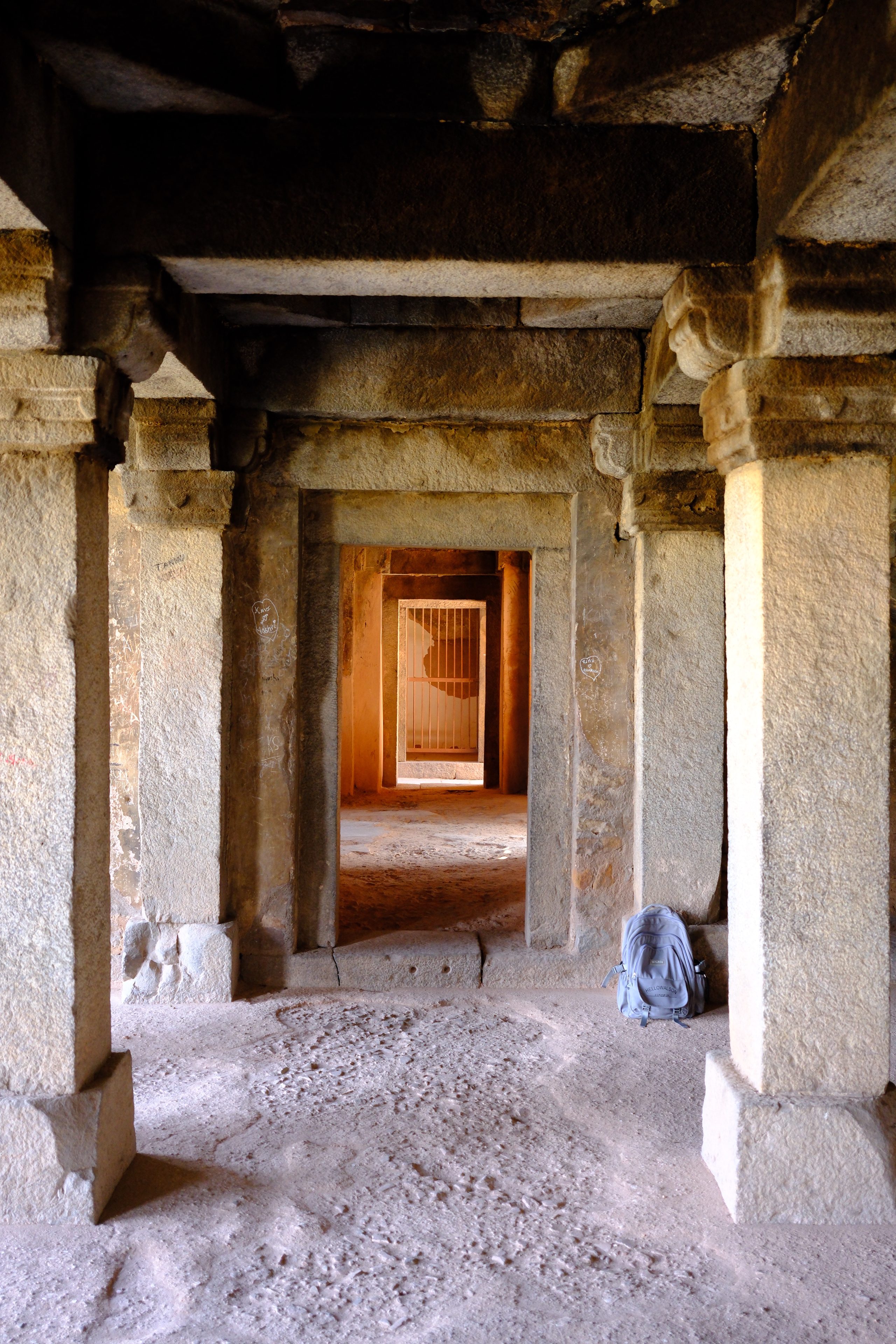 Image resized for web.
 Image resized for web.
The versatility of this camera can also be a little drawback at times. For instance, I had moved to a monochrome setup for a shot, and for the next one, I thought a vibrant mode might be best. Till I get used to the camera, I need to navigate my way from one setting to another, and this might be a bit confusing. Similarly, there is no one-touch movie mode here, and you have to dabble with settings to get there. This could lead to you missing the moment at times.
Story continues below this ad
 Image resized for web.
 Image resized for web.
 Image resized for web.
Interestingly, video is one of the strong points of the camera. You have many options when it comes to video quality, and in a compact camera like this, it can be a boon for creators. Once you are in the video mode, you can easily tweak all the settings, even the video quality — you have options to go from FullHD to multiple 4K formats and 6.2K.
The customisation here is what smartphones will not be able to give at the moment, and that could be a good driver for people to upgrade to a camera like the Fujifilm XE-5.
Another aspect that works well for mirrorless cameras like the Fujifilm XE-5 is the low-light performance, thanks to ISO, which can go up to 51200 and B-level in shutter speeds. You can create some magic if you know your way around these settings.
Story continues below this ad
 Interestingly, video is one of the strong points of the camera. (Image: Nandagopal Rajan/The Indian Express)
The Fujifilm X app on the phone is like an extension of the camera, and you will be able to download images instantaneously. Over the three weeks I reviewed the camera, I had to connect it only once, and this is a real plus. Actually, it is easier to move between settings and modes using the app than directly on the camera.
Who should buy the Fujifilm XE-5?
At prices starting Rs 1,48,999 just for the body, I don’t think the Fujifilm XE-5 really qualifies as an amateur camera. This is a camera that grows on you, but that takes time, and I recommend this for those who have experience with sophisticated cameras, but now want to switch to something a bit more compact and easy to manage. The Fujifilm XE-5, with multiple lenses, can easily replace any DSLR that you have been lugging around for a while. If you have the patience, this can also be your upgrade from a smartphone.