admin
admin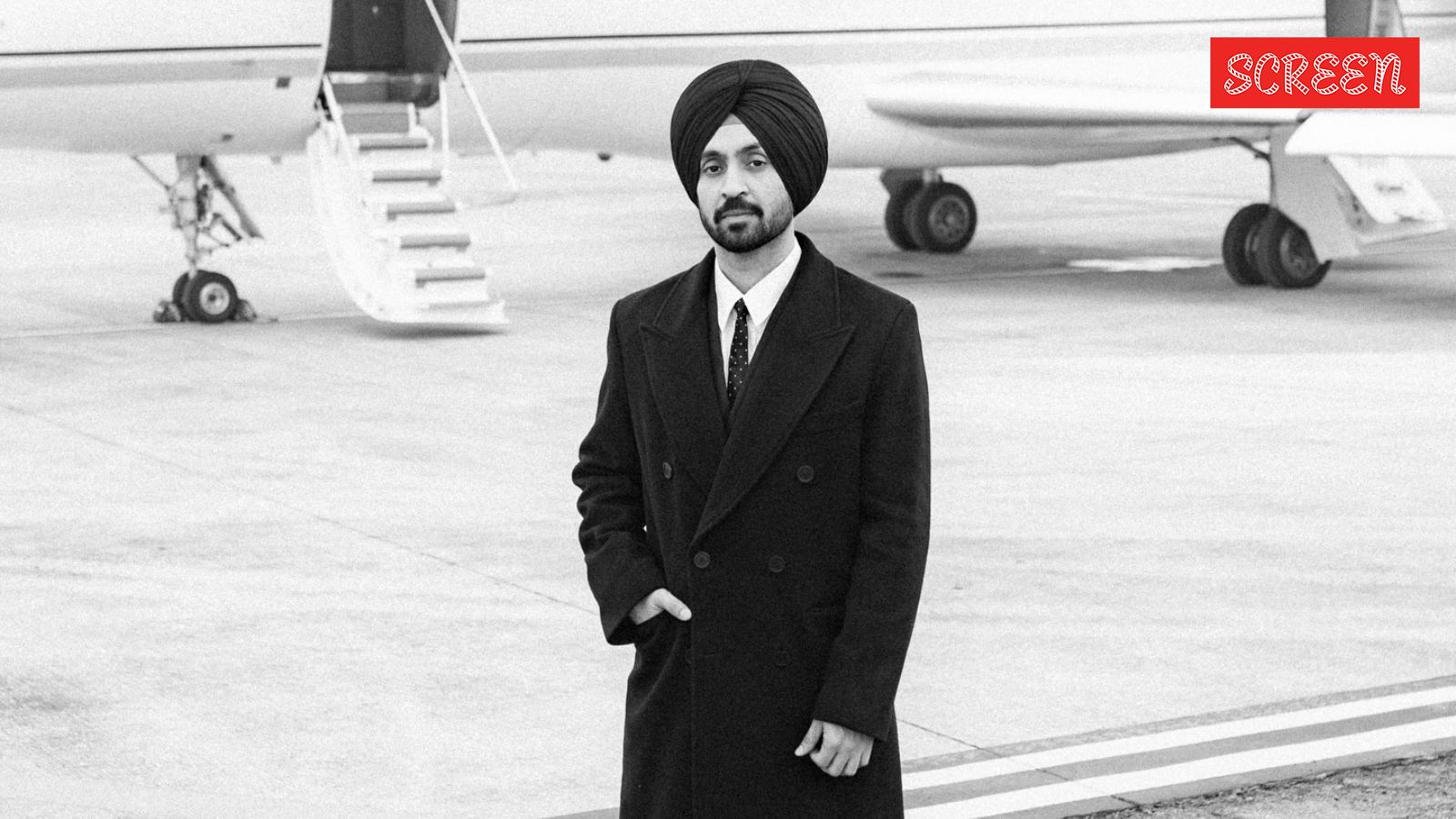
Diljit Dosanjh, today, is nothing short of a global phenomenon. From Punjab to Coachella, his name echoes far beyond borders. He became the first Punjabi artist to perform at Coachella, made a historic appearance on The Tonight Show Starring Jimmy Fallon—cheerfully declaring “Punjab aagaya oye!”—and everywhere he goes now, the beat of “Main Hun Punjab” follows like an anthem. He calls himself a “global citizen,” a title he’s earned not just through fame but through fearlessly standing his ground.
Story continues below this ad
Through the years, Diljit has navigated more than his share of controversies. From criticism during his Dil-Illuminati world tour for lyrics referencing alcohol, to the backlash surrounding Sardaar Ji 3 for casting Pakistani actor Hania Aamir post the Pahalgam attack, he has consistently refused to bow to political correctness. Right or wrong has never dictated his expression—authenticity has.

Yet behind the superstar who electrifies every stage is a man who fiercely guards his privacy. In interviews, he offers glimpses of someone deeply introspective, detached from worldly noise, and unconcerned with public approval. Recently, in a Netflix interview, Diljit Dosanjh expressed a strikingly raw philosophy about fame, art, and mortality.
Story continues below this ad
“Every artist has to face all kinds of difficulties in life. And until he dies, people never call him great,” he said, adding, “They never give him the love he deserves. He only receives that love after he leaves the world.”
ALSO READ | Shah Rukh Khan, Kajol unveil life-size Raj-Simran statue in London as Aditya Chopra’s DDLJ marks 30 years. Watch
Story continues below this ad
Playing Amar Singh Chamkila—another legendary Punjabi artiste whose life ended violently at the height of his fame—has clearly shaped Diljit’s reflections. Drawing parallels, he shared: “Either he is killed, like Chamkila, or he dies a natural death. Only then do people praise his work. No one truly values a living artist.”
For him, it is a painful, recurring truth: artists are celebrated in death but scrutinised in life.
Calling it a “set pattern,” Diljit went on to describe the world as a scripted film where discomfort with truth leads society to torment artistes while they live, only to glorify them later.
Story continues below this ad
“This world is like a film… As long as the artiste is alive, he is troubled as much as possible. He receives death threats. Society cannot tolerate what he is doing… When he dies, then they say: ‘What great songs he sang.’”
At 41, Diljit Dosanjh says he has recognised this pattern—and freed himself from its grip. “I have accepted this. I have already left this world, and I don’t care about anybody. I love music and art. That’s what I am doing.”