admin
admin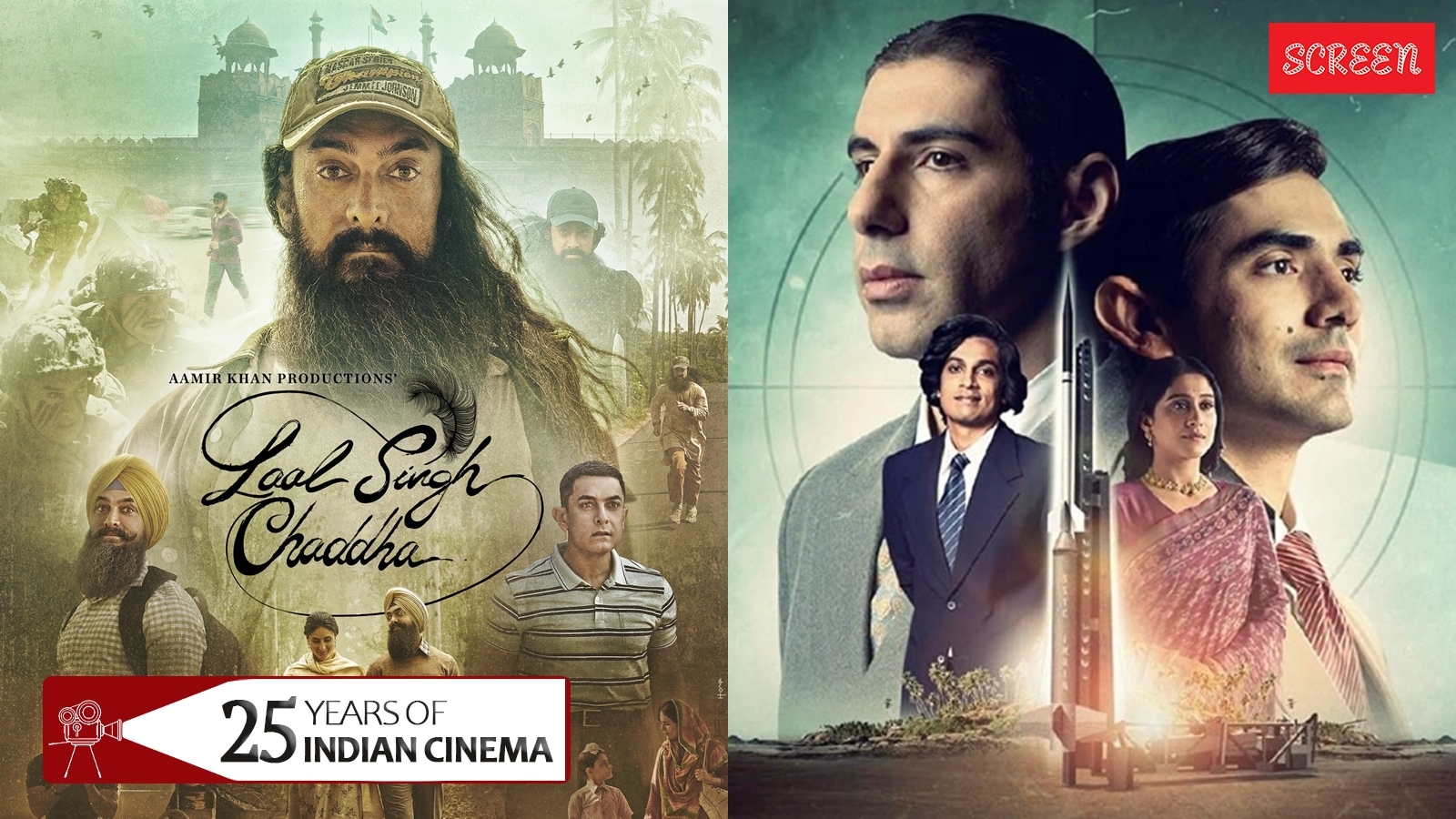
2022 was nearly as dismal as 2021, films-in-theatres wise.
Aamir Khan’s Laal Singh Chaddha, his touted Forrest Gump remake, was inarguably one of his worst outings, in which his simple-but-wise Laal comes off as a cipher, all widened eyes and jerky dialogue. It crashed and burnt at the box office.
Just what was Brahmastra, produced by Karan Johar and directed by Ayan Mukherji? It went hard at all the elements of a mythological-actioner-romance-superhero saga, but ended up being nothing but a bewildering mess, with Ranbir Kapoor, Alia Bhatt, Amitabh Bachchan, with a blink-and-miss act by SRK. Heavy on special effects, low on impact: it was meant to be a trilogy, and I’m not holding my breath.
Also Read | Amid Sooryavanshi and 83, a small OTT series emerged as the best of 2021: 25 Years of Indian Cinema
Sanjay Leela Bhansali’s Gangubai Kathiawadi, a fictionalised re-telling of the infamous queen of Kamathipura, with Alia Bhatt playing the lead, was one of the better films of the year, once you got past the SLB excesses of glitter-in-the-grime, and the very young Alia playing a woman coarsened by her years of experience in the brothel. Despite everything, Alia makes you believe.
Alia Bhatt in Gangubai Kathiawadi.
Alia Bhatt’s second film of the year was Darlings, a straight-to-streaming film on Netflix, in which she plays a young wife who pushes back against a violent husband, played by Vijay Varma. Directed by Jasmeet K Reen, and with Shefali Shah as Alia’s supportive mother, and Roshan Mathews in a bit part, the film was a striking anti-patriarchy attempt, with solid performances all around.
Harshvardhan Kulkarni’s Badhaai Do places, daringly, a lavender marriage at the centre of its narrative, and both Rajkummar Rao and Bhumi Pedenkar– he is gay, she is lesbian– are very good. The rest of the film falters, but it is still a film that stands out for its subject, and the way the characters embrace their parts.
Story continues below this ad
Vivek Ranjan Agnihotri’s The Kashmir Files, which places the Kashmir pandit exodus from the valley after being targetted by terrorists, helped sharpen the anti-Muslim rhetoric in Bollywood in the way it dealt both with the aggressors and their victims, freshening old wounds and opening new ones.
Of the web series that year, Rocket Boys and Suzhal The Vortex were the clear winners; Family Man 2 returned with a bigger season than the first.
Also Read | Pataal Lok, Panchayat and a struggling film industry: 25 Years of Indian Cinema
Based on the lives of Homi J Bhabha and Vikram Sarabhai, who pioneered India’s space programme, which at one point was the cynosure of all eyes, including the scientists in the US and USSR, the aptly named Rocket Boys is a well-produced, well-told show. Created by Nikhil Advani, directed by Abhay Pannu and produced by Siddharth Roy Kapur, it features Jim Sarbh and Ishwak Singh as Bhabha and Sarabhai respectively, and both were terrific, as was the show.
Story continues below this ad
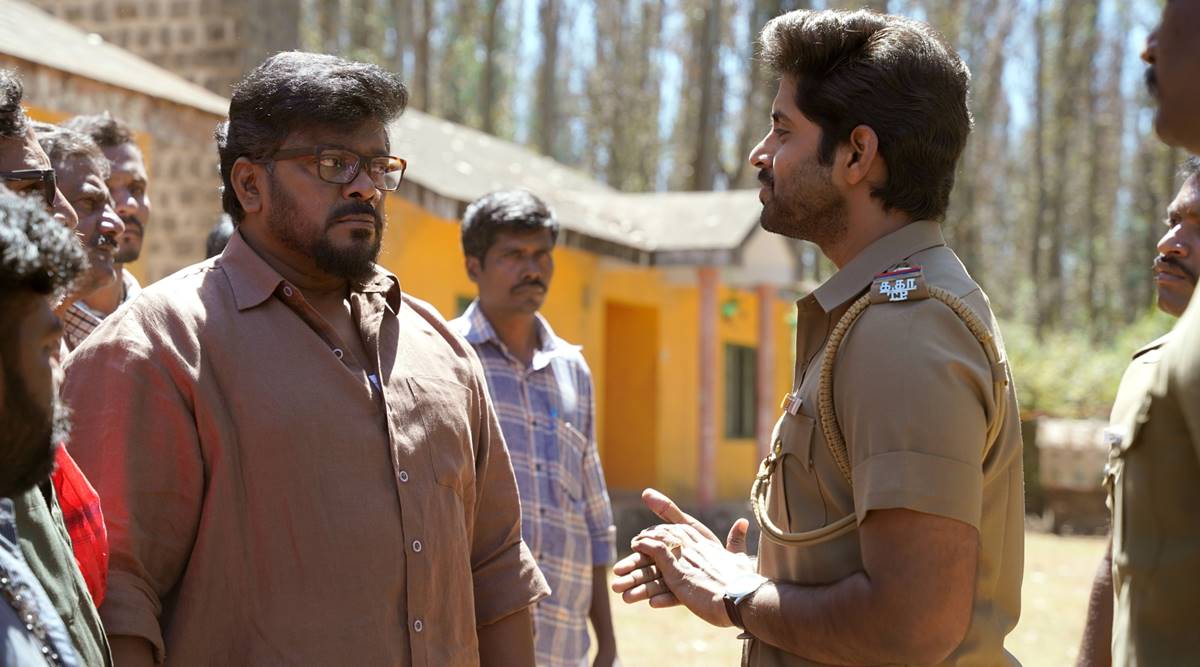 A still from Amazon Prime Video’s Suzhal.
Suzhal The Vortex (Tamil), created and written by Pushkar and Gayathri, suffused its eight episodes with stinging small town secrets, local myths, religious fervour, missing girls and childhood trauma, turning it into a potent thriller.
Family Man Season 2 was sharper than the first by giving ace agent Manoj Bajpayee’s Srikant Varma a worthy adversary in the shape of Samantha Ruth Prabhu’s fierce Sri Lankan rebel Rajji. Between the two of them and Srikant’s faithful number two, Sharib Hashmi, this season made sure we stayed glued all through its nine episodes.