admin
admin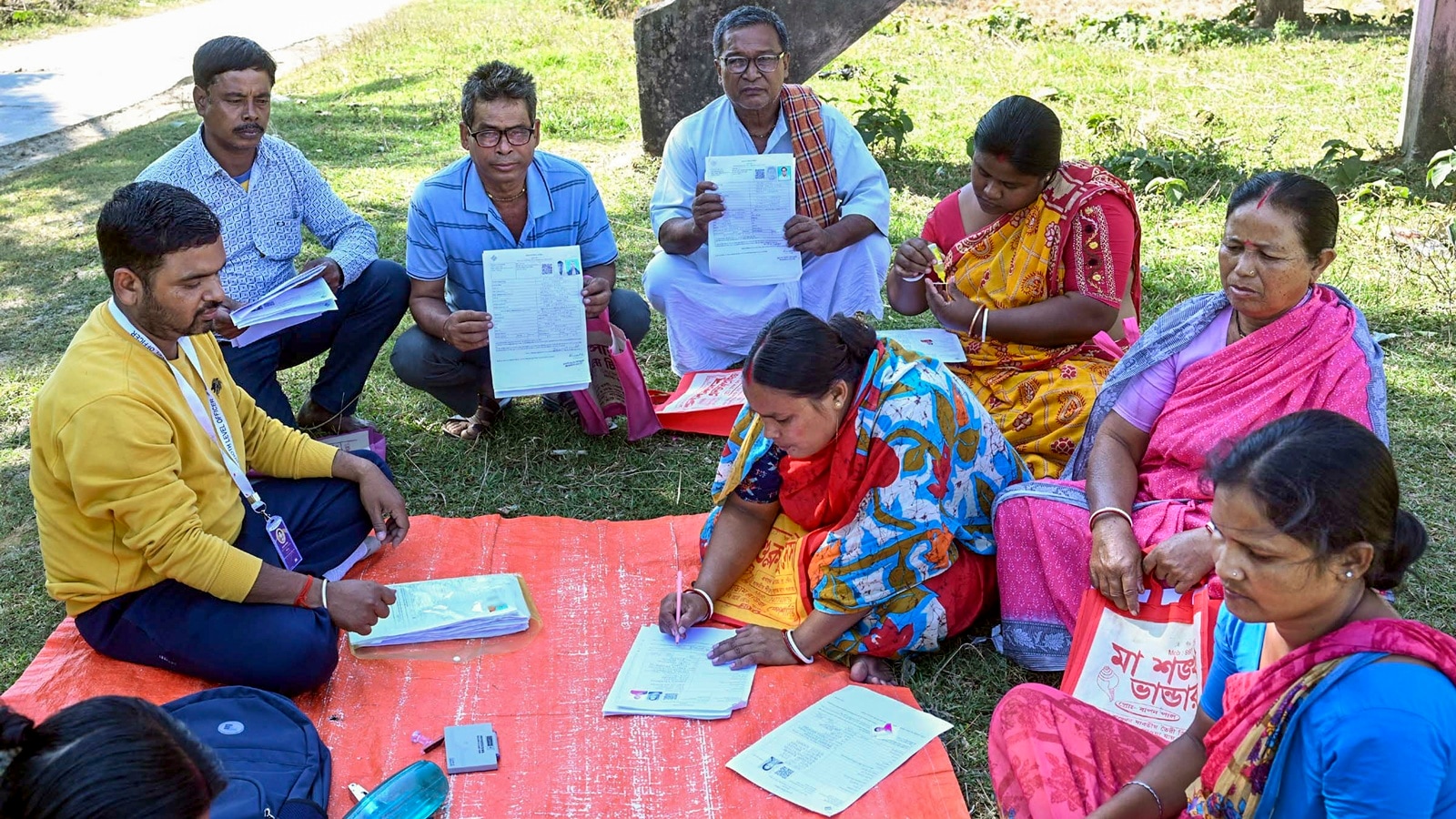
As the Election Commission of India (ECI) pushes ahead with its second phase of the Special Intensive Revision (SIR) across 12 states and Union Territories, confusion is growing over what happens in the rest of the country. With multiple revision exercises running simultaneously, voters are unsure which rules apply to them and how it is different from the widely discussed SIR.
Here’s a clear breakdown of how the voter list is being updated in different states, how the processes differ, and which states are going through which process.
1. Special Intensive Revision (SIR): The most discussed
As of now, ECI is conducting the Special Intensive revision (SIR), the most exhaustive form of roll clean-up, in 12 states and UTs. This includes states of Uttar Pradesh, West Bengal, Kerala, Tamil Nadu, Rajasthan, Madhya Pradesh, Gujarat, Chhattisgarh and union territories of Goa, Andaman & Nicobar Islands, Lakshadweep and Puducherry. Bihar SIR was completed before the elections.
In SIR, the process involves a door-to-door verification in which Booth Level Officers (BLOs) are matching present voter details with “Legacy Data” from last last SIR that occurred in 2002-2003, to establish continuous residence. It is a far more intrusive and documentation-heavy process than routine revisions.
The verification deadline will end on December 4, followed by the publication of draft rolls on December 9. Residents in these states will have to ensure they get verified either through the BLO’s visit or by checking their details at voters.eci.gov.in. Failing to do so may result in the deletion of their names from the electoral rolls, making them ineligible for voting in subsequent elections.
2. Special Revision (SR): Assam’s separate track
Assam is the only state placed in a standalone “Special Revision” (SR), designed to cater for its unique NRC-linked demographic verification history.
Unlike SIR states, BLOs here are not collecting the detailed enumeration forms tied to 2003 records. Instead, they are cross-checking existing entries against pre-filled registers while simultaneously rationalising polling stations — reducing the voter count per booth from 1,500 to 1,200, as it is being done in SIR states.
Story continues below this ad
House-to-house verification began on November 23 and will run till December 20. The qualifying date for eligibility is January 1, 2026.
3. Special Summary Revision (SSR): The routine annual update
The rest of India — including Delhi, Karnataka, Telangana, Punjab, Odisha and several others — remains under the standard Special Summary Revision (SSR), the regular annual exercise.
No door-to-door visits are conducted in SSR. Draft rolls were published in late October or early November, and the process is currently in the claims and objections stage. Citizens need to check their names, online or at polling stations, and file Form 6 or Form 8 for additions or corrections. Final electoral rolls for these states are expected to be released in January 2026.
Why three different revisions?
The ECI has calibrated its approach based on ground realities:
Story continues below this ad
- SIR for states flagged over large-scale deletions or data mismatches.
- SR for Assam due to its NRC-specific requirements.
- SSR for states following the regular yearly cycle.