admin
admin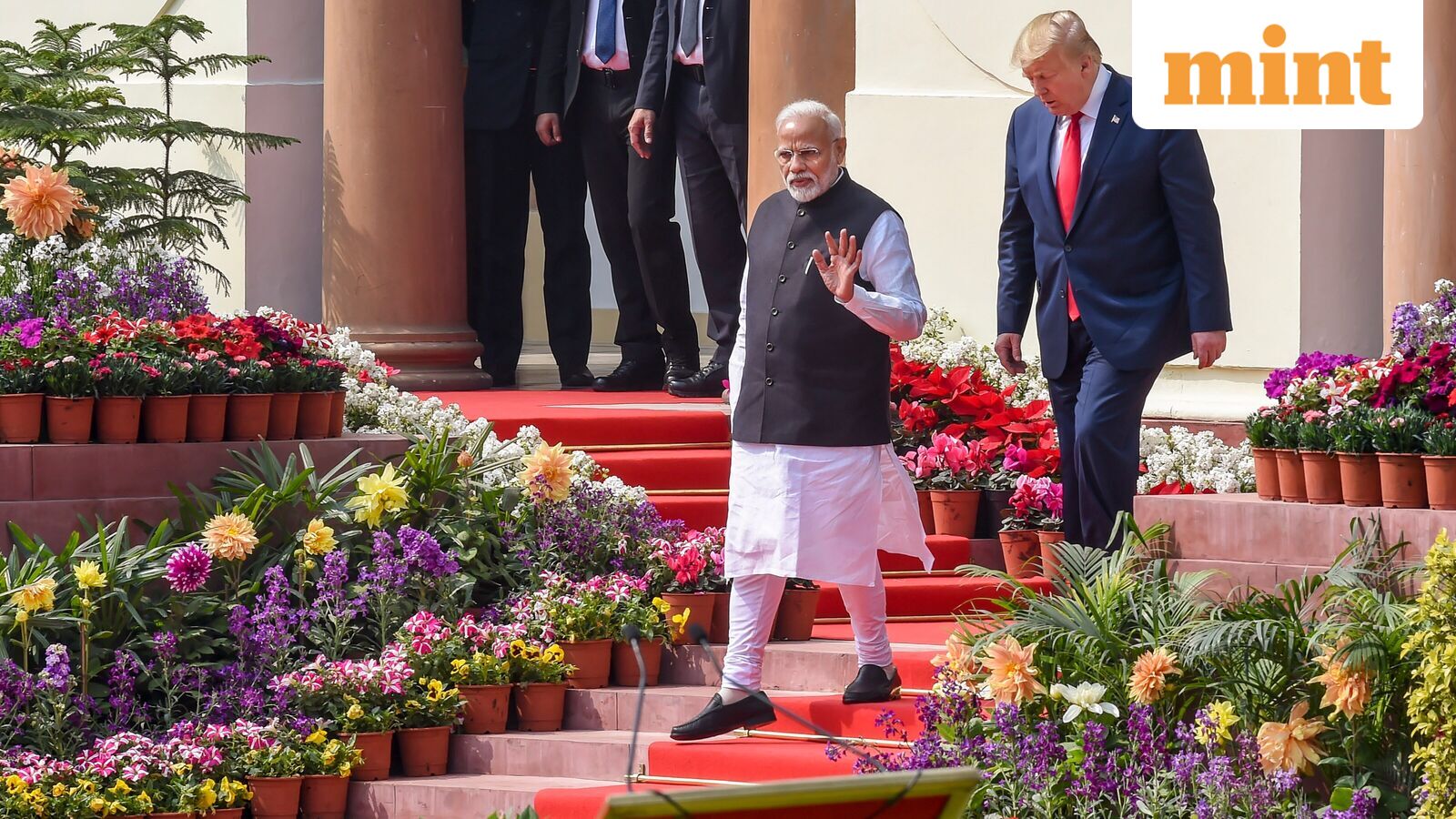
Indian stock market: Optimism for easing India-US tariffs gained momentum last week when Union Commerce and Industry Minister Piyush Goyal said, “You will hear good news” on the proposed India-US trade deal. The proposed India-US trade talks aim to more than double the bilateral trade to $500 billion by 2030, from the current $191 billion. Therefore, savvy Indian stock market investors are expected to prepare ahead of the sealing of the India-US trade deal.
According to stock market experts, select segments with significant export linkages are expected to benefit the most. They advised investors to consider value picks in the pharmaceutical, automotive, chemical, and textile segments.
What does the India-US trade deal mean for D-street?
On how India-US trade deal would impact the Indian stock market, Khushi Mistry, Research Analyst at Bonanza, said, “India-US trade deal is poised to provide a strong positive trigger for the Indian stock market by resolving key tariff-related uncertainties, supporting foreign institutional investor (FII) inflows, and boosting sentiment—especially for sectors with large export linkages and those benefiting from global supply chain shifts. The initial move is likely to be export-focused sectors (pharma, auto, chemicals, textiles), with spill-over effects benefiting broader indices as FIIs can reenter. Sectors linked to global supply chains stand to see higher exports as the US pivots from China, supporting Indian manufacturers in electronics, auto parts, and especially auto brands competing in the global market.”
Relief in Trump’s tariffs
Expecting ease in India-US tariff tension, Ross Maxwell, Global Strategy Lead at VT Markets, said, “The imminent trade deal between the US and India could generate a tailwind for Indian equity markets, especially if tariffs are cut substantially from current levels. While the market may have already partly priced in the deal, if the US were to reduce tariffs on Indian exports, this would help boost export growth and improve corporate margins. Improved access to the US markets will boost investor confidence in Indian markets, potentially strengthening the rupee and supporting foreign investment flows back into the Indian markets.”
In stocks that may fuel Nifty 50 and other key benchmark indices of the Indian stock market, the VT Market expert said, “The deal is likely to be a boost for select sectors rather than the broader market on its own. Export-linked names, large private banks and manufacturing with US exposure will likely be on the radar of Dalal Street bulls. On the major indices, such as the Nifty 50 and Bank Nifty, export-oriented sectors, including manufacturing (textiles, gems & jewellery, as well as IT, Tech, and electronics manufacturing), will all stand to benefit. Domestic banks should also benefit from the improved growth outlook.”
Ross said that companies having exposure to US exports, large banks, and companies in manufacturing and electronics that are leveraging domestic policy tailwinds may attract Dalal Street bulls once the India-US trade deal is sealed.
“A probable rollback of duties on select agricultural and manufactured goods should strengthen earnings visibility for export-oriented sectors, especially agri-exports, processed foods, and niche manufacturing. This further buttresses a mild re-rating as investors move toward cyclicals and export beneficiaries. Sectors such as textiles, garments, and gems are likely to receive only incremental respite until a full-fledged trade agreement is secured. Overall, clarity on tariffs coupled with better export prospects and steady domestic demand all combine to set up the market for a more constructive near-term outlook,” concluded Pranay Aggarwal, Director & CEO of Stoxkart.
Disclaimer: This story is for educational purposes only. The views and recommendations above are those of individual analysts or broking companies, not Mint. We advise investors to check with certified experts before making any investment decisions.