admin
admin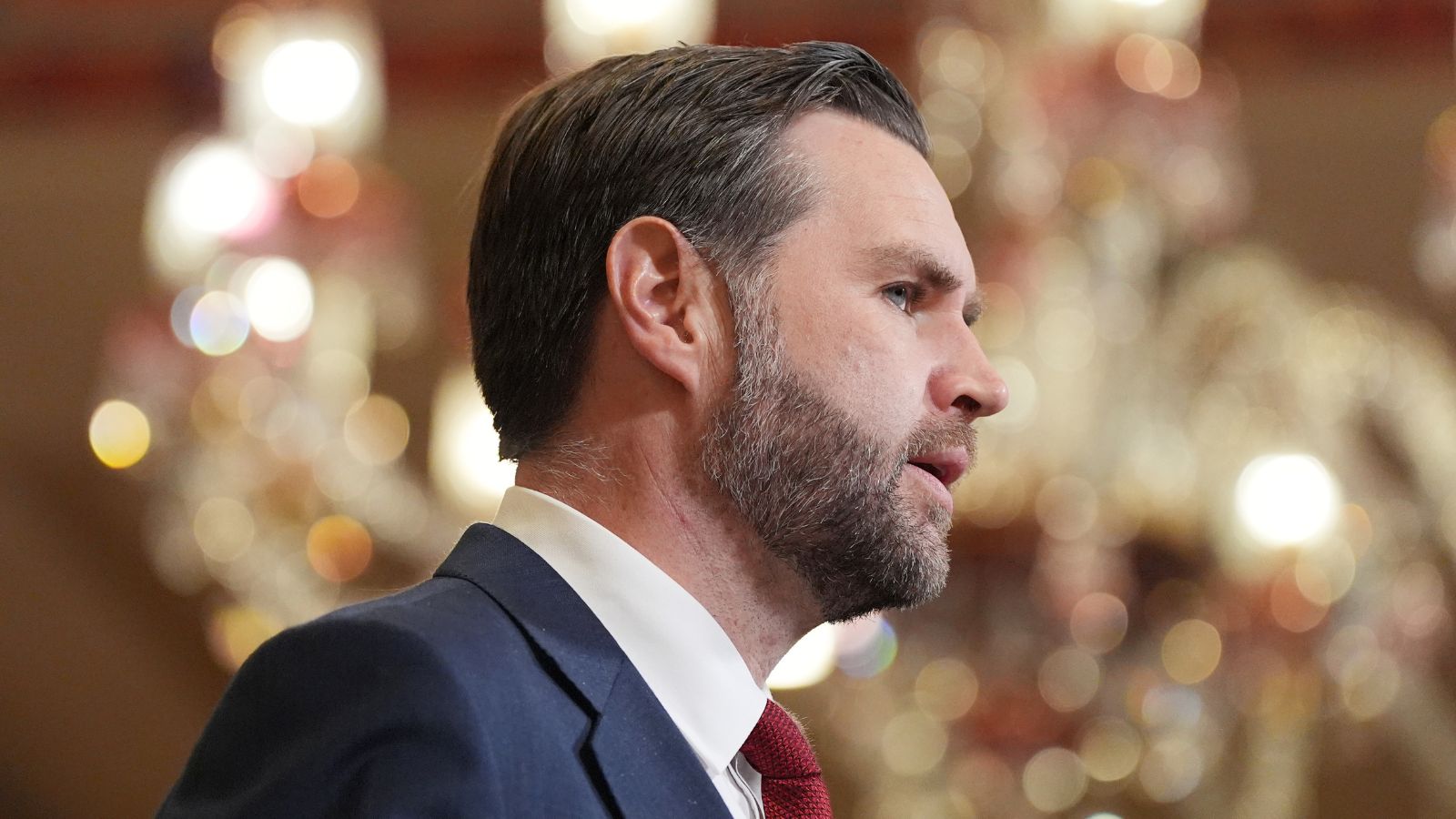
Talks between the United States and Iran began behind closed doors in Islamabad on Saturday, with both sides attempting to reach a ceasefire and a broader agreement after weeks of conflict. The negotiations, mediated by Pakistan, stretched for nearly 21 hours.
Shortly after the talks ended, US Vice President JD Vance delivered a brief three-minute statement to the press, taking only a few questions before leaving. He confirmed that no agreement had been reached.
“The bad news is that we have not reached an agreement,” Vance said. “We’ve made very clear what our red lines are… and they have chosen not to accept our terms.”
.@VP in Islamabad, Pakistan: “We’ve had a number of substantive discussions with the Iranians. That’s the good news. The bad news is that we have not reached an agreement — and I think that’s bad news for Iran much more than it’s bad news for the United States of America.” pic.twitter.com/RLIQ30btO5
— Rapid Response 47 (@RapidResponse47) April 12, 2026
Here’s what all JD Vance said in Press brief:
“We were quite flexible”
Vance said the US delegation had entered the talks with instructions to negotiate in good faith and try to secure a deal, but discussions did not lead to progress.
“We just could not get to a situation where the Iranians were willing to accept our terms. I think we were quite flexible, we were quite accommodating,” he said.
Story continues below this ad
He added, “The president told us, you need to come here in good faith and make your best effort to get a deal. We did that and unfortunately we weren’t able to make any headway.”
The vice president also noted that several issues were discussed during the talks, including Iran’s frozen assets, though he did not provide details.
“We need a clear commitment”
Vance said the central issue remains Iran’s nuclear programme and the need for long-term assurances from Tehran.
“The simple fact is that we need to see an affirmative commitment that they will not seek a nuclear weapon, and they will not seek the tools that would enable them to quickly achieve a nuclear weapon,” he said.
.@VP: “The simple fact is that we need to see an affirmative commitment that they will not seek a nuclear weapon, and they will not seek the tools that would enable them to quickly achieve a nuclear weapon.” https://t.co/A6Wl97qbAV pic.twitter.com/DNEL4JSlj2
— Rapid Response 47 (@RapidResponse47) April 12, 2026
He added that while Iran’s earlier nuclear facilities had been damaged, the US was looking beyond immediate steps.
Story continues below this ad
“The simple question is… do we see a fundamental commitment… not just now, not just two years from now, but for the long term? We haven’t seen that yet. We hope that we will.”
“Final and best offer”
Vance said the US has now put forward what it considers its last proposal and is waiting for Iran’s response.
“We leave here with a very simple proposal… our final and best offer. We’ll see if the Iranians accept it,” he said.
He also said the US delegation remained in regular contact with President Donald Trump and senior officials throughout the negotiations.
Story continues below this ad
“We were talking to the president consistently… a half dozen times, a dozen times over the past 21 hours,” he said, adding that the team was also in touch with the broader national security leadership.
Vance thanked Pakistani officials for hosting the talks, saying they had worked to help both sides reach an agreement.
The talks ended without a breakthrough, leaving key issues unresolved as both sides consider their next steps.