admin
admin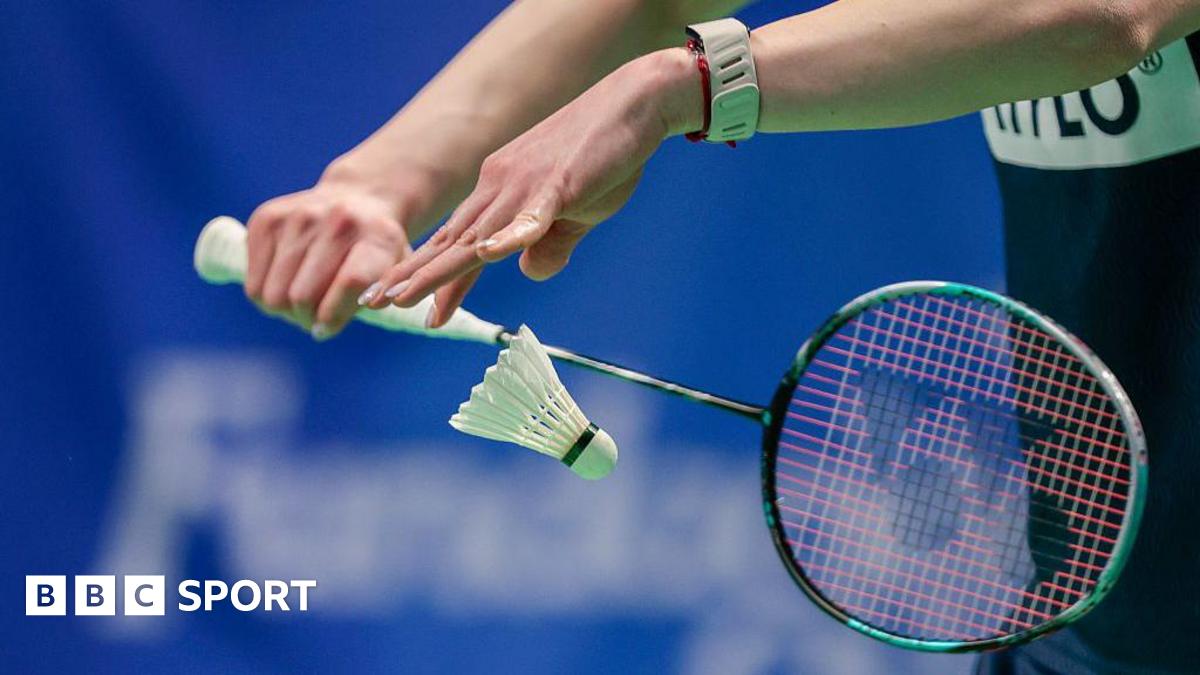
Traditional shuttlecocks are made of 16 duck or goose feathers – each taken from the same wing to give the correct flight and spin as feathers from different wings curve differently.
China is the leading producer of shuttlecocks, but poultry production in the country has decreased in recent years because of outbreaks of bird flu and as people return to eating pork following an outbreak of African swine fever in 2018.
The sport has also grown in popularity in China, leading to increased demand.
Last year, the BWF played down its concerns about the shuttlecock market, while explaining its strategy to explore alternatives.
“We are aware of the global supply chain challenges and subsequent increases in feathered shuttlecock prices impacting badminton communities around the world,” BWF secretary general Thomas Lund said in a statement at the time.
“Our testing and trialling programmes for the production and introduction of competition and social-use synthetic shuttlecocks in collaboration with the manufacturers remains in place and is firmly part of our sustainability strategies for the future.”