admin
admin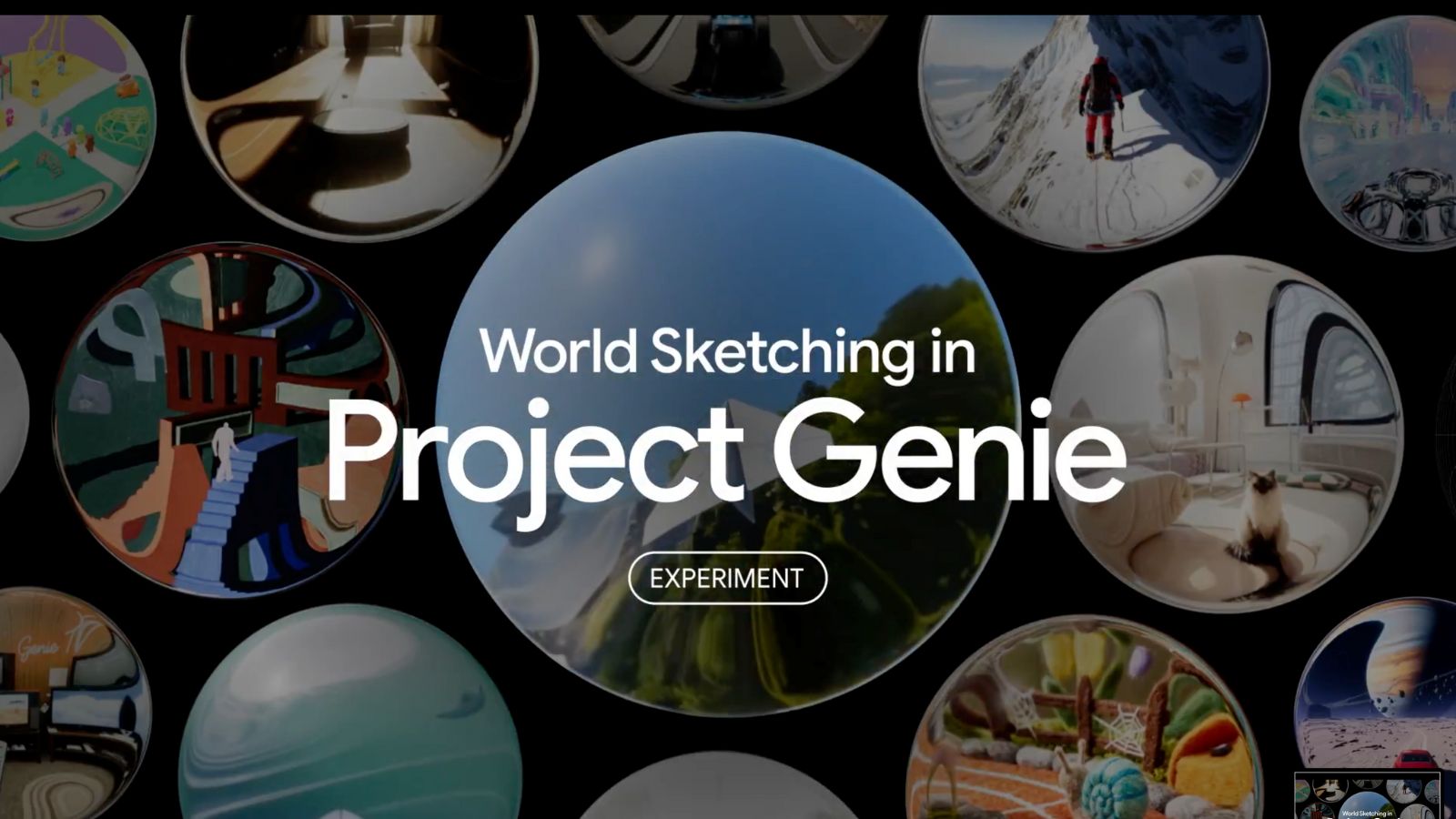
3 min readNew DelhiUpdated: Jan 30, 2026 07:44 PM IST
Google has taken a major step toward using artificial intelligence (AI) to build diverse, interactive environments. Google DeepMind has launched Project Genie, a web-based experiment that allows users to create and explore AI-generated worlds in real time.
The launch comes about five months after Google first previewed Genie 3, its general-purpose world model. While earlier demonstrations were limited to select testers, now Project Genie opens the door for a small group of paying users who want to experience what an AI-built world feels like from the inside.
At its core, Project Genie is designed to be simple. Users start by describing a setting and a character using text prompts. They can also upload or generate images to shape the look of the world. Before stepping inside, the scene can be previewed and refined using Google’s tools, including Nano Banana Pro and Gemini. Once ready, users enter the environment and explore it either from a first-person or third-person view.
Inside these worlds, characters are in motion. They can walk, fly or drive through landscapes that continue to unfold as the user moves. Unlike static 3D scenes, Genie generates new terrain in real time. The system also remembers what it has already created, meaning previously visited areas stay visually consistent when users return.
Because of the heavy computing power required, each session is currently limited to 60 seconds. During that time, the user is assigned a dedicated processing “chip” to power their private experience. Access to Project Genie is rolling out to subscribers of Google’s AI Ultra plan, which costs $250 a month and is currently limited to users in the US who are 18 or older. Google says wider access is planned in the future.
Behind Project Genie is a bigger ambition. Google describes Genie 3 as a “world model”, an AI system built to simulate how environments behave and respond to actions. Rather than focusing on narrow tasks like board games, these models aim to replicate the unpredictability and variety of the real world. This kind of technology could one day support everything from robotics training and architecture design to games, filmmaking and historical simulations.
Story continues below this ad
Project Genie also allows users to remix existing worlds by building on prompts created by others. A gallery of curated experiences and randomised worlds offers inspiration, and users can download videos of their explorations to share later.
Google is careful to call Project Genie an experimental prototype. The company admits that the worlds may not always look realistic, physics can behave oddly, and character controls can feel laggy. Some advanced features discussed last year have not yet been included.
Still, as rivals like Runway, World Labs and other AI researchers push toward similar goals, Project Genie signals that AI-generated worlds are no longer just a concept. They are becoming something users can step into even if only for a minute at a time.
© IE Online Media Services Pvt Ltd