Italy uncovers basilica designed by Vitruvius, the ‘father of architecture’ | Technology News


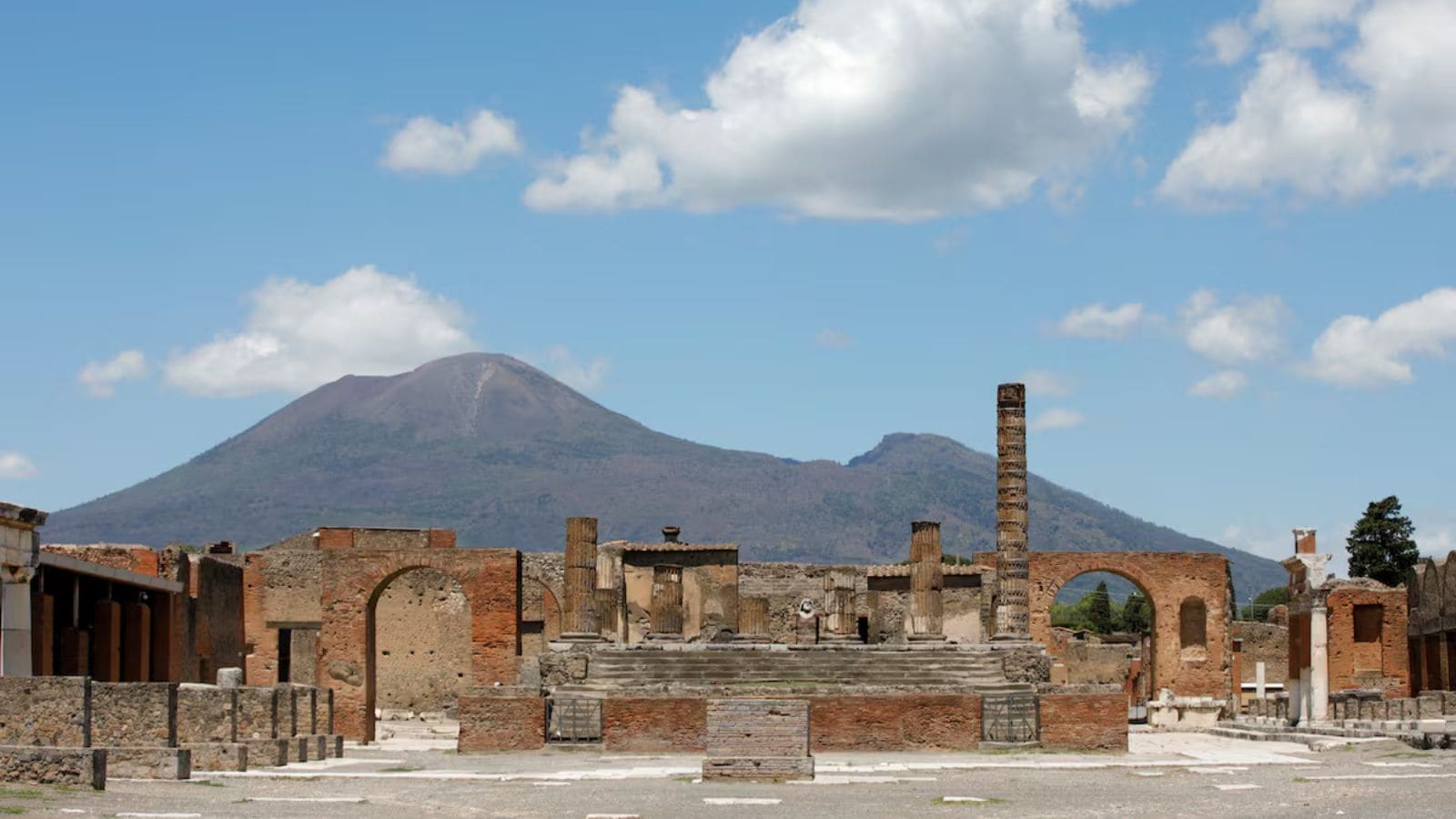
Italian officials on Monday hailed the discovery of a more than 2,000-year-old public building attributed to Vitruvius, the ancient Roman architect and engineer known as the “father of architecture.”

“It is a sensational finding … something that ‍our grandchildren ⁠will be talking about,” Italian Culture Minister Alessandro Giuli told a press conference.

Vitruvius, who lived in the 1st century BC, is celebrated for having written “De architectura,” or The Ten Books on Architecture, the oldest surviving ​treatise on the subject.

His teachings on the ‌classical proportions of buildings have inspired artists over centuries, including Leonardo da Vinci, whose famous drawing of the ​human body is known as the “Vitruvian Man.”

Basilica believed to be ‘Discovery of the century’

Archaeologists believe they have found the remains of an ancient basilica, or public building, in the central Italian city of Fano northeast of Rome, that was created by Vitruvius.

“I feel like this is the discovery of ‌the century, because scientists and researchers have been searching for this basilica for over 500 years,” said the Mayor of ‌Fano Luca Serfilippi.

“We have absolute match” between what was discovered and the descriptions given by Vitruvius in ‌his books, regional archaeological superintendent Andrea Pessina told reporters.

Story continues below this ad

Precise Layout Descriptions

The basilica had a rectangular layout, with 10 ‌columns on the long ‍side, and ⁠four on ​the short ones, Pessina said.

During excavation, when traces of four columns emerged, archaeologists used Vitruvius’ descriptions ⁠to calculate where the top right column should ⁠be. When they started digging, they found it immediately, Pessina said.

“The are few certainties in archaeology … but we were impressed by the precision” of ‌the match, he added.

Further digging will determine whether more of the basilica lies underground and if ‌the site can be shown to the public, the superintendent said.


Related Posts

NASA’s Artemis II breaks Apollo 13’s distance record as humans travel farther from Earth than ever before | Technology News

5 min readHoustonUpdated: Apr 7, 2026 04:57 AM IST With the moon now filling their windows, the Artemis II astronauts set a record Monday as the farthest humans from Earth…

Diabetes rates are lower in high-altitude environments & scientists may have discovered why | Technology News

4 min readUpdated: Apr 6, 2026 06:54 PM IST For years, scientists have observed a curious pattern: people living at high altitudes, from the Andes to the Himalayas, tend to…

Leave a Reply

Your email address will not be published. Required fields are marked *

You Missed

Shah Rukh Khan’s Eden ‘fairytale’ moment ignites call for Sourav Ganguly’s KKR comeback: ‘Bring him back as coach’

  • By admin
  • April 7, 2026
  • 0 views
Shah Rukh Khan’s Eden ‘fairytale’ moment ignites call for Sourav Ganguly’s KKR comeback: ‘Bring him back as coach’

Air India CEO Campbell Wilson Steps Down Before Term Ends in 2027

  • By admin
  • April 7, 2026
  • 1 views
Air India CEO Campbell Wilson Steps Down Before Term Ends in 2027

Carson Wallace’s sweet tribute to Kiki Rice after Bruins’ Championship win leaves fans buzzing

  • By admin
  • April 7, 2026
  • 1 views
Carson Wallace’s sweet tribute to Kiki Rice after Bruins’ Championship win leaves fans buzzing

Stocks to watch: Nykaa, PC Jewellers, IRFC, NMDC among 10 shares in focus today

  • By admin
  • April 7, 2026
  • 1 views
Stocks to watch: Nykaa, PC Jewellers, IRFC, NMDC among 10 shares in focus today

Trump administration finalizes Medicare Advantage payment rate

  • By admin
  • April 7, 2026
  • 1 views
Trump administration finalizes Medicare Advantage payment rate

NASA’s Artemis II breaks Apollo 13’s distance record as humans travel farther from Earth than ever before | Technology News

  • By admin
  • April 7, 2026
  • 3 views
NASA’s Artemis II breaks Apollo 13’s distance record as humans travel farther from Earth than ever before | Technology News