admin
admin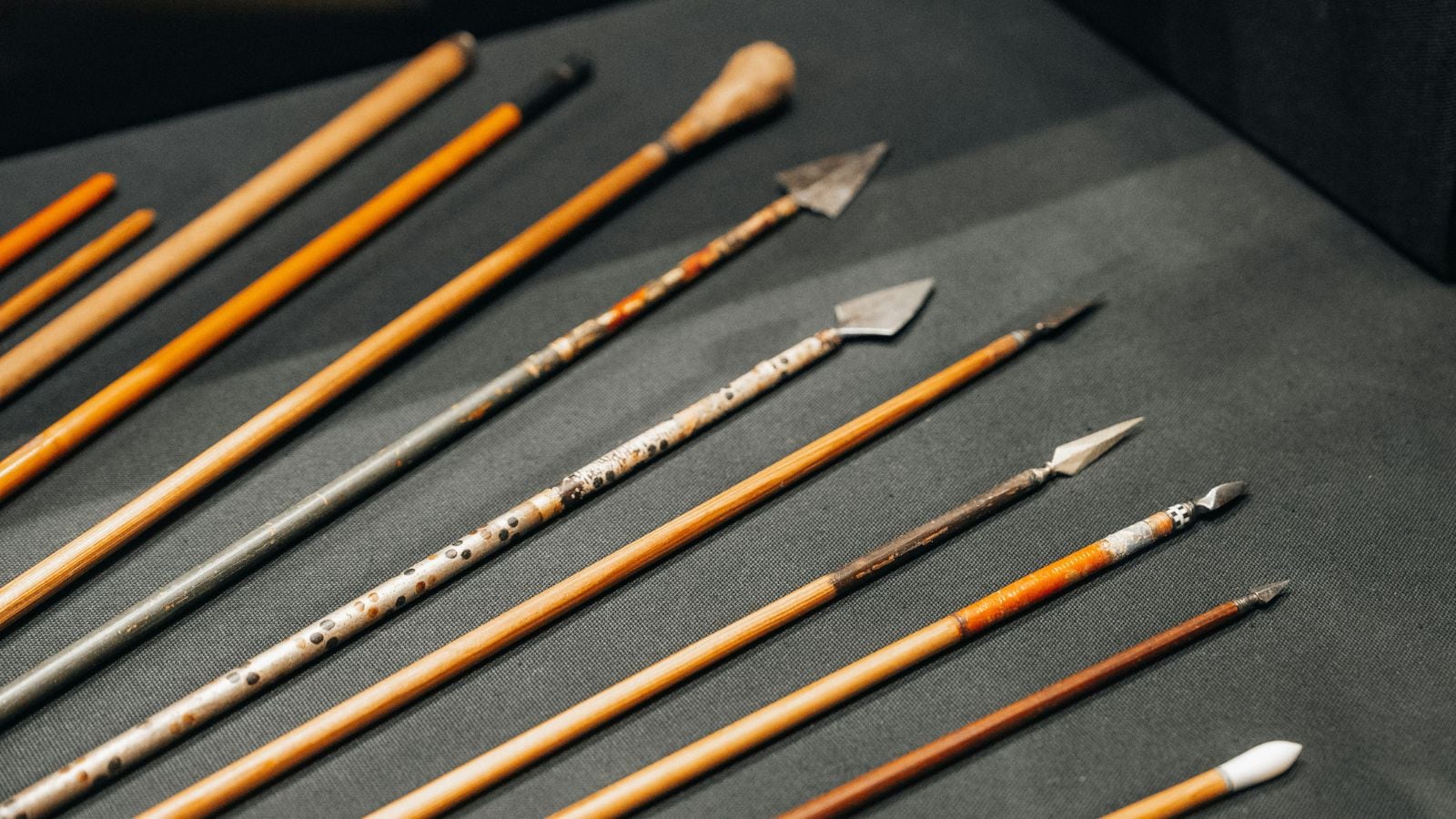
Prehistoric African communities may have started using poison-tipped arrows for hunting as early as 60,000 years ago, new research has shown. On arrowheads that date back about 60,000 years, researchers examining prehistoric hunting implements from South Africa have discovered traces of strong plant toxins. The discovery pushes the known origins of poisoned weapons tens of thousands of years deeper into human history and points to a surprisingly advanced understanding of plant chemistry among early hunters.
For years, firm evidence for the use of poison arrows extended back only about 8,000 years. That view began to shift in 2020, when researchers reported that stone and bone arrow points dated between 50,000 and 80,000 years old closely resembled the shape and design of poisoned arrow tips used over the past 150 years. However, while one 60,000-year-old bone point was found coated in a sticky substance, scientists at the time could not definitively show it carried poison.
That uncertainty has now been resolved. On ancient arrowheads that were excavated decades ago from the Umhlatuzana rock shelter in KwaZulu-Natal, South Africa, a team led by Marlize Lombard of the University of Johannesburg found chemical traces of toxic plant alkaloids. Recently, the quartzite arrow tips that were first discovered in 1985 were re-examined using contemporary analytical methods.
Not accidental contamination
Five of the 10 artefacts that were examined contained the toxic alkaloids buprenorphine and epibuphanisine. The researchers believe that Boophone disticha, a plant native to southern Africa that yields a milky sap rich in potent toxins, is the most likely source of these chemicals.
The substance could have been applied directly to arrow points or processed further by heating and drying, then mixed with other materials to create a resin strong enough to adhere to weapons. The repeated presence of these toxins across several tools suggests intentional use rather than accidental contamination.
Boophone-based poisons are well known in southern Africa and have been used by San communities into modern times. Lombard believes this knowledge may stretch back uninterrupted for at least 60,000 years, representing one of the longest continuous technological traditions known.
The toxins identified can be lethal to small animals within minutes and are capable of inducing nausea, coma, or death in humans. The poison may not have completely killed large game, but it may have weakened them, making it easier for early hunters to track and kill them over great distances.
Story continues below this ad
Lombard suggests the toxic properties of the plant were probably discovered through trial and error. “If I speculate, Boophone poison was probably discovered by people eating the bulbs and then becoming sick or dying from it,” she was quoted as saying New Scientist. The plant is also known for its preservative, antibacterial, and hallucinogenic effects and continues to be used in traditional medicine today, despite the risk of accidental overdoses.
Also Read: Archaeologists reveal valley temple at Abu Ghurab that once worshipped Egyptian Sun god Ra
To support their findings, the researchers also analysed arrows collected in the 1770s by Swedish naturalist Carl Peter Thunberg, who documented the use of poison weapons by Indigenous hunters in southern Africa. Tests confirmed the presence of the same toxic compounds derived from Boophone disticha.
Sven Isaksson of Stockholm University, a member of the research team, said the discovery highlights a more complex picture of early human behaviour. While plant use for food and basic tools is well established, he said that exploiting plants for their biochemical effects marks a major step forward.
Story continues below this ad
But this is something else–the use of biochemical properties of plants, such as drugs, medicines and poisons,” Isaksson said.
Together, the findings suggest that early humans in Africa possessed sophisticated ecological knowledge and the ability to harness natural toxins for survival far earlier than previously recognised.
© IE Online Media Services Pvt Ltd